Warp Sizing
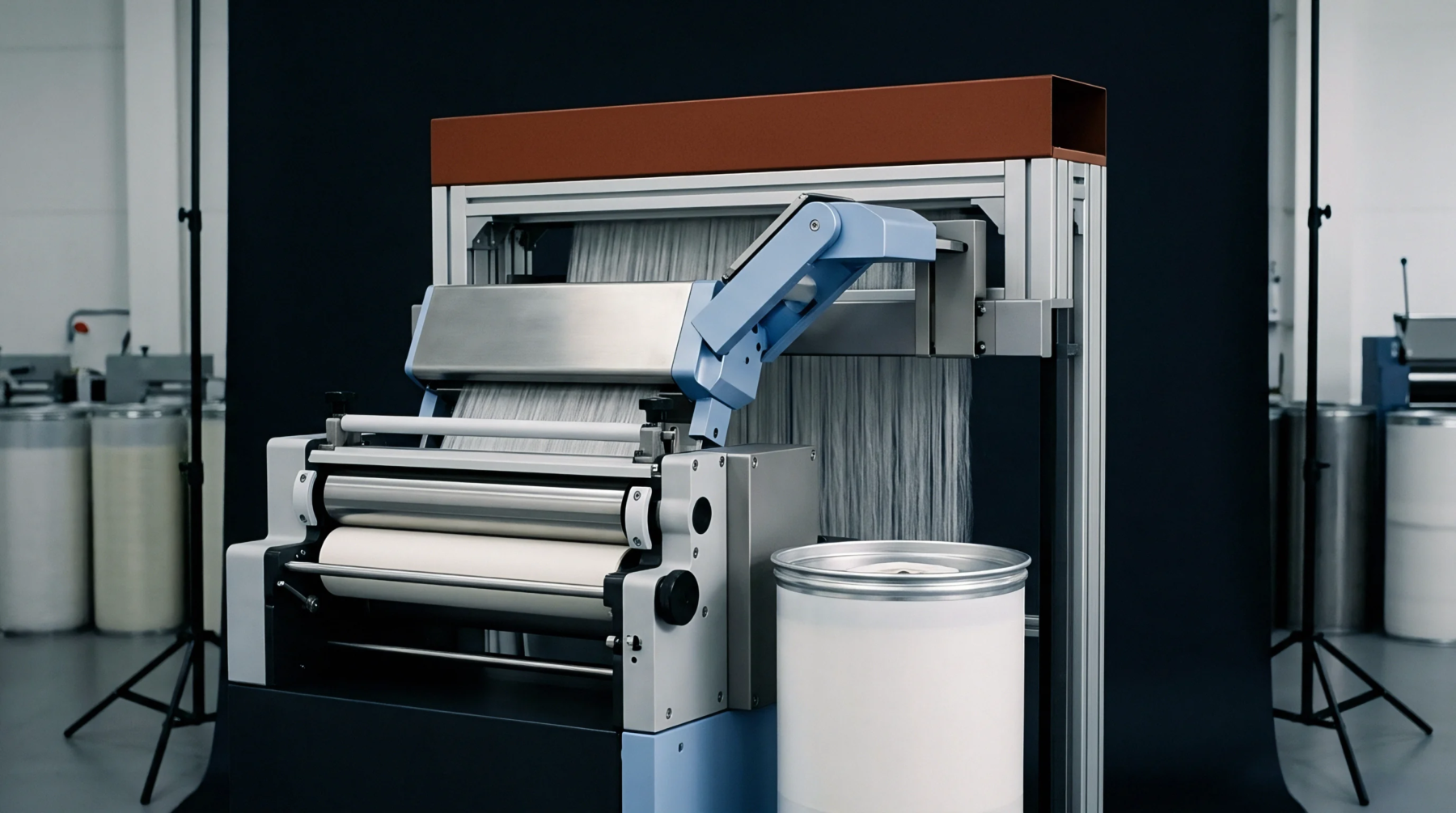
Water soluble polymers provide temporary structural integrity to textile yarns during high tension weaving operations. The pva binder coats individual fibres to prevent breakage caused by mechanical stress and friction against loom components. Manufacturers apply this compound in a size box where heated aqueous solutions penetrate the yarn bundle before drying through steam heated cylinders.
This chemical film effectively anchors stray fibres to the main strand to create a smooth surface profile.
Application Parameters
Temperature control remains the primary factor for consistent film formation on synthetic and blended yarns. Heat regulation prevents premature gelation within the size box while ensuring the pva binder remains mobile enough to penetrate the yarn core. Viscosity measurements verify the concentration levels required for optimal pick-up ratios during the slashing process.
Maintaining a specific thermal range stops the material from forming a brittle crust that flakes off during shedding cycles.
Removal Process
Desizing facilities extract the starch-based coating after the fabric exits the loom to prepare the substrate for dyeing and finishing. Hot water baths or enzymatic treatments break down the pva binder into a soluble state that flows away from the textile structure. High agitation levels during this stage assist in stripping residual material from the inner yarn layers.
Effective removal results in an absorbent fabric surface ready to receive chemical colorants and functional auxiliaries.
Recovery Economics
Textile plants often operate secondary systems to reclaim the polymer from wash liquors for reuse in fresh batches. Evaporation and membrane filtration systems concentrate the diluted pva binder for return to the slashing department. This practice lowers the overall waste water load and reduces the demand for raw chemical inputs.
Proper collection cycles stabilize operational expenses by minimizing the volume of synthetic solids lost to the effluent stream.