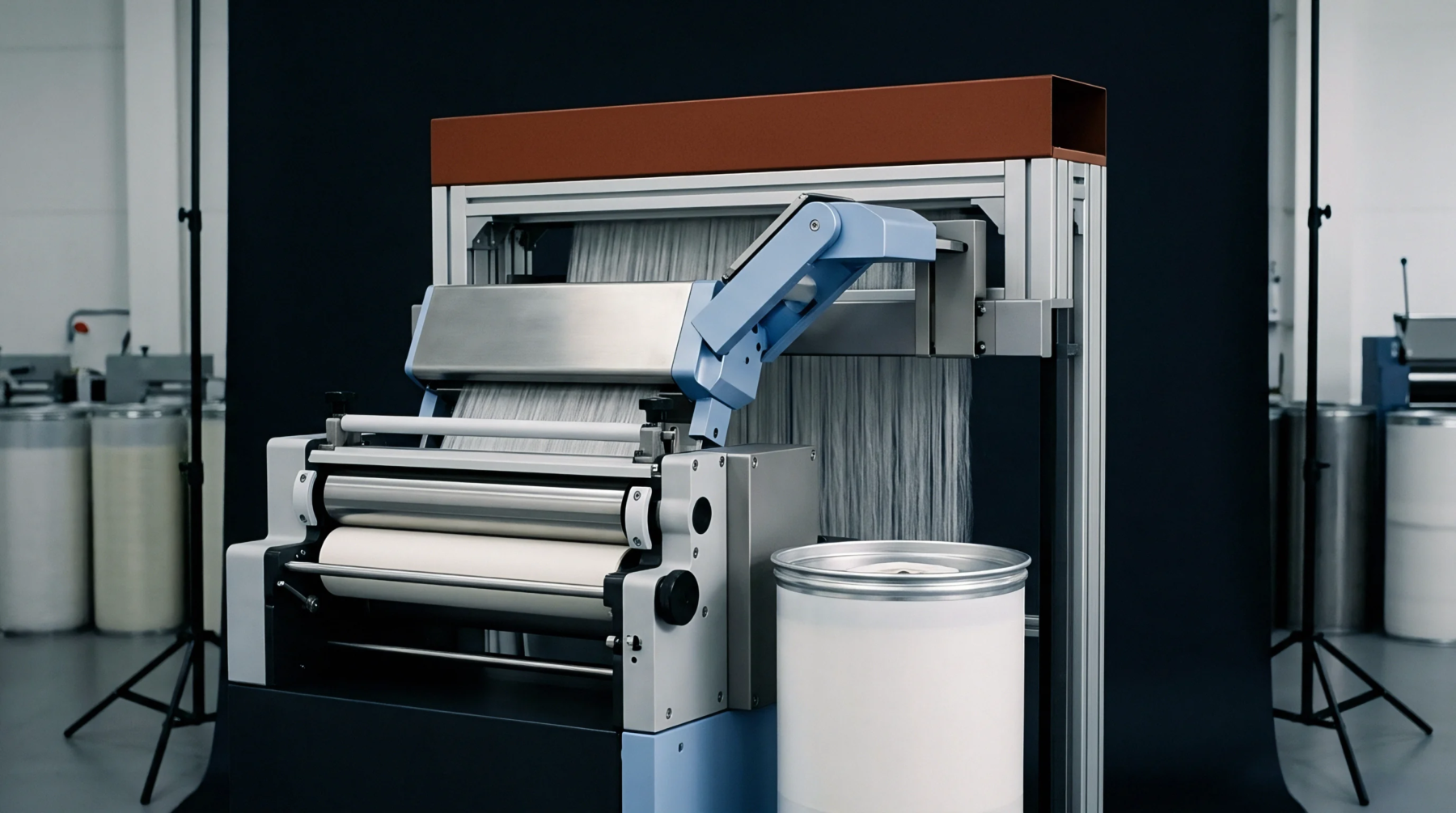
Dimensional Instability
Dimensional instability is measured by the percentage of length or width lost by a fabric during subsequent laundering after a stabilization process. Even after mechanical or chemical treatments, residual shrinkage remains a factor that garment manufacturers must calculate to ensure final fit. It represents the instability that persists in the material when it reaches the cutting table.
Measurement Method
Laboratory technicians measure the change in distance between marked points on a fabric sample before and after a standardized wash cycle. To determine the residual shrinkage, the test often follows ISO or AATCC protocols that specify water temperature and drying conditions. The resulting figure informs the pattern maker on how much to enlarge the garment pieces to account for future contraction.
Calculations must be performed for both the length and width directions because the tensions applied during weaving or knitting are rarely equal.
Material Influence
Natural fibers like cotton and wool tend to exhibit higher levels of instability compared to heat-set synthetics. The presence of residual shrinkage in knitted goods is particularly difficult to control because the looped structure allows for greater movement under tension. Tightening the knit or increasing the resin finish can lower these values for high-performance applications.
Commercial Standard
Buyers often specify a maximum allowable limit of one or two percent for premium apparel. If the residual shrinkage exceeds the agreed threshold, the fabric may be rejected or require additional tensionless drying. Consistent monitoring ensures that the final consumer does not experience a change in garment size after the first domestic wash.