Overpressure Protection
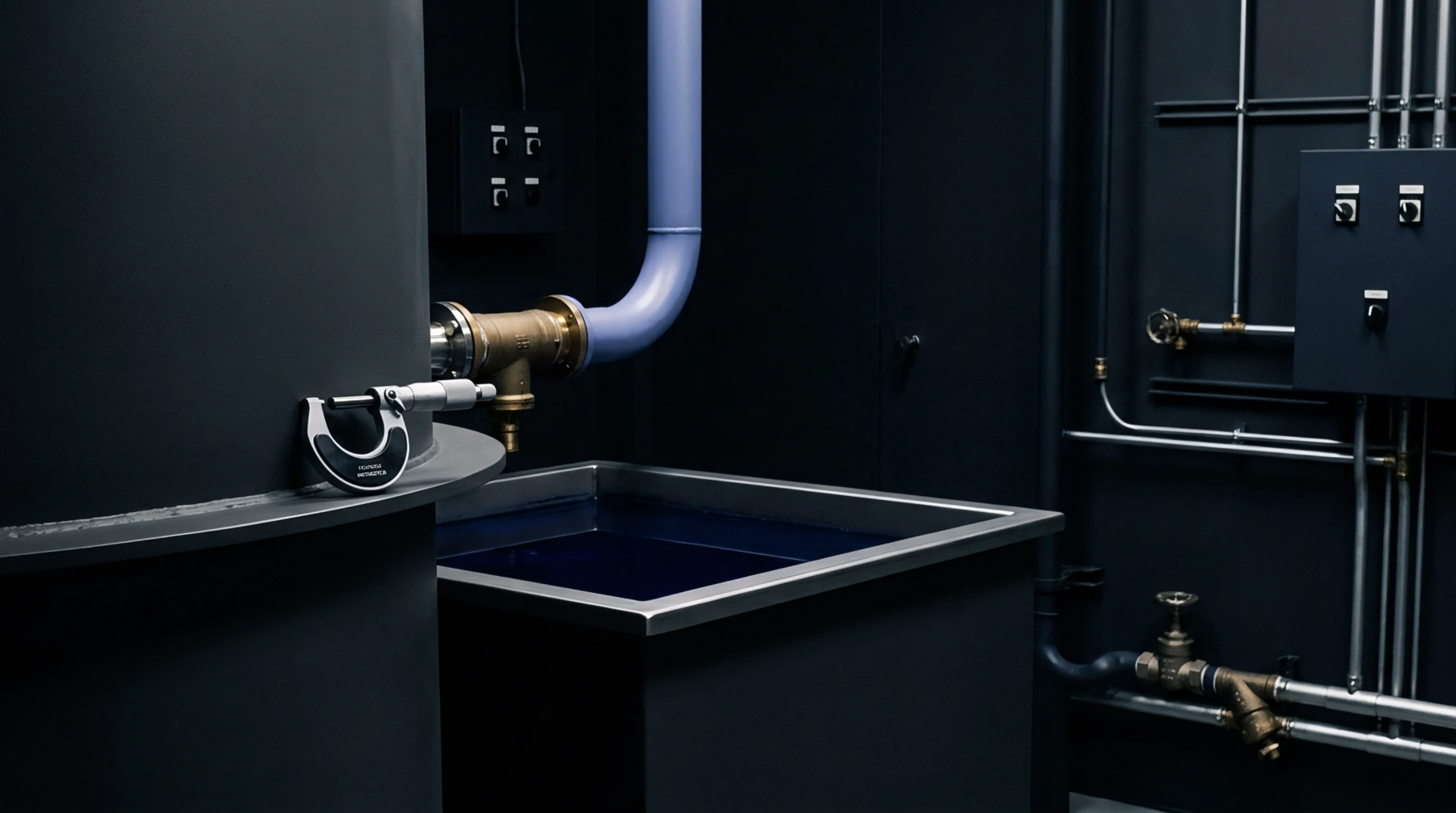
Emergency discharge refers to the automatic release of pressurized fluid from a vessel when the internal pressure exceeds a predetermined limit. Utilizing safety valve relief is the primary method of preventing catastrophic failure of high-temperature dyeing machines. This safety mechanism is designed to open rapidly, releasing excess steam or liquid into a discharge line.
Mechanical Action
Spring-loaded mechanisms are designed to overcome the sealing force when the system pressure reaches the set point. During safety valve relief, the upward force exerted by the pressurized fluid overcomes the downward force of the spring, allowing the valve disc to lift. This action continues until the pressure drops below the reset point, allowing the valve to re-close.
Discharge Capacity
Sizing calculations must ensure that the valve can discharge fluid faster than the energy input of the heating system can generate pressure. Proper safety valve relief design requires matching the valve orifice area to the maximum steam generation capacity of the boiler or heat exchanger. This matching ensures that the pressure cannot rise further during an emergency.
Regular Testing
Manual lift levers are provided to allow operators to test the valve mechanism periodically. Regular inspection prevents the valve from sticking due to chemical buildup or corrosion, ensuring that safety valve relief remains fully functional.