Shrinkage Control
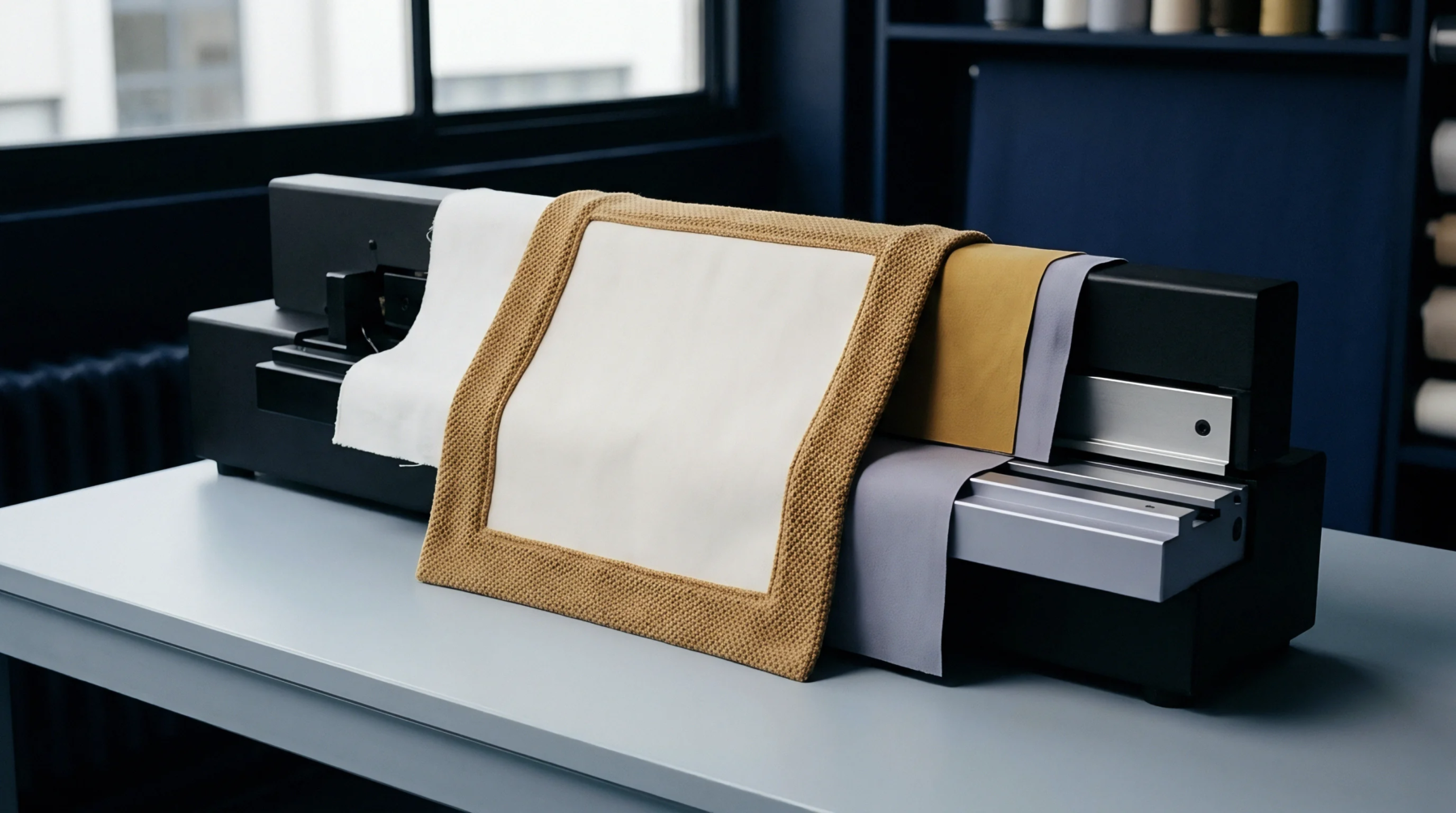
Mechanical finishing treatments stabilize woven cotton fabrics by pre-shrinking them before they are cut into garments. Finishing mills perform sanforizing compacting to reduce residual shrinkage to less than one percent. This process forces the fabric to shrink along its length by squeezing it between a heated roller and a thick rubber blanket.
The resulting fabric maintains its dimensions when washed by the consumer, preventing the common problem of garment distortion.
Mechanical Process
Mechanical process relies on moisture, heat, and pressure to alter the physical arrangement of the yarns. The fabric is first sprayed with water or steam to make the cotton fibers soft and pliable. It then passes onto a thick, stretched rubber belt that is running over a heated cylinder.
As the belt releases its tension, it contracts, carrying the damp fabric with it and forcing the horizontal filling yarns closer together. This physical compacting forces the warp crimp to increase, shortening the fabric.
Fiber Reaction
Fiber reaction during this compacting is highly dependent on the natural elasticity of the yarn polymer. Cotton and linen fibers respond exceptionally well to the steam and pressure, allowing them to remain in their compacted state after cooling. Synthetic fibers like polyester require higher temperatures and heat setting to lock in the compacted structure.
The process must be carefully controlled to ensure that the fabric does not become overly stiff or lose its natural softness.
Industrial Value
Industrial value lies in the elimination of post-wash shrinkage complaints from clothing brands and consumers. By delivering pre-shrunk fabric, the finishing mill ensures that garment manufacturers can cut panels with confidence that they will fit correctly. This stabilization is a critical benchmark for high-quality cotton shirts and denim trousers.