Mechanical Tolerance
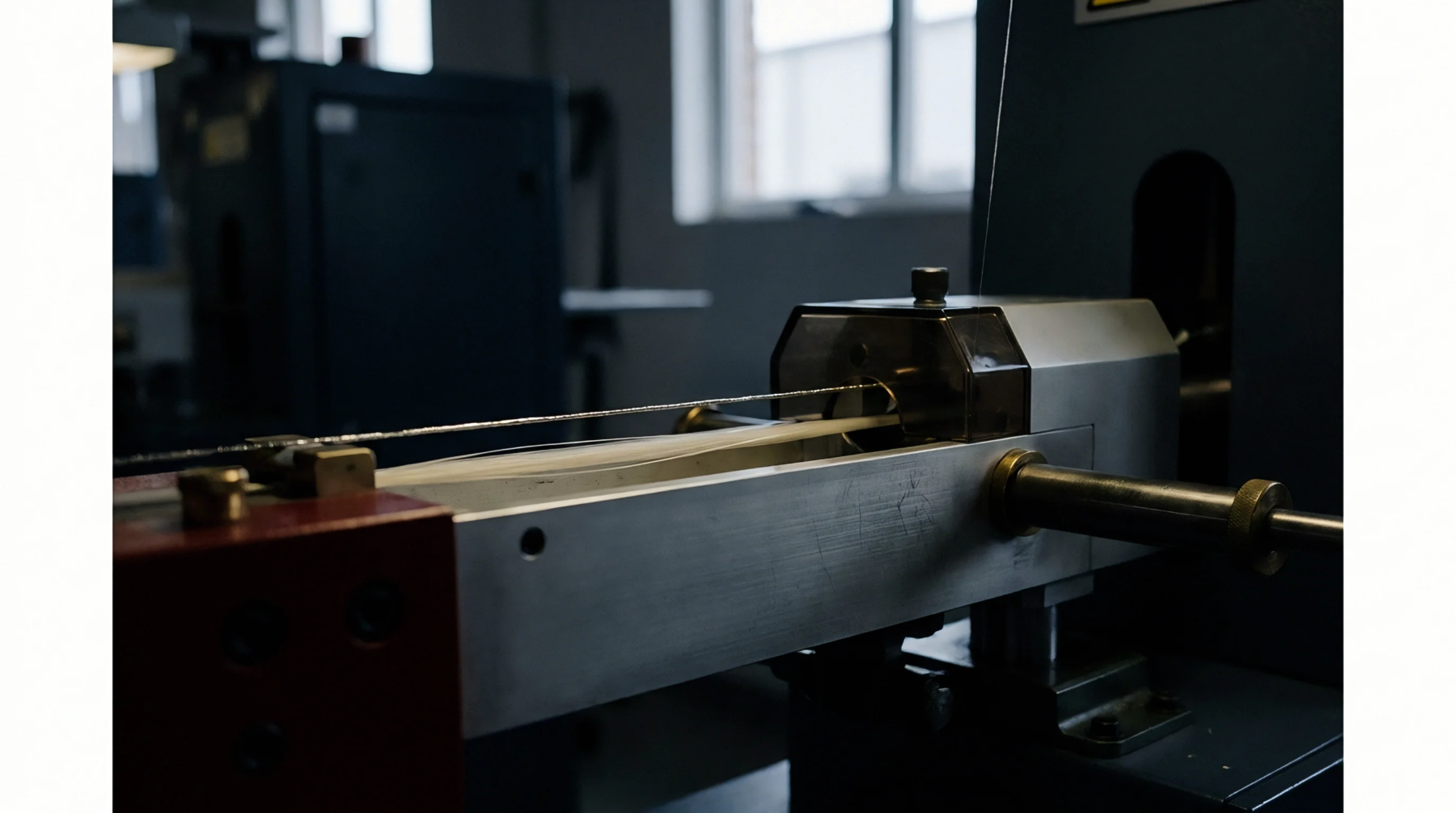
Lateral force applied perpendicular to a textile assembly defines seam shear strength, quantifying the maximum load a joined fabric panel withstands before sliding displacement disrupts the structural integrity of the garment. Textile laboratories measure this mechanical property during quality control audits by clamping fabric swatches on either side of a stitched line within a constant rate of extension machine until thread failure or fabric tearing occurs. Production facilities rely on this numeric threshold to verify that industrial sewing operations match the specifications required for activewear and heavy outerwear garments.
Boundary limits apply specifically to woven and knitted substrates joined by mechanical stitching, excluding glued or ultrasonically welded bonds that undergo different failure modes under mechanical stress.
Stitch Geometry
Thread tension and stitch density dictate the initial resistance offered by joined fabric panels during the early stages of mechanical loading. Needle size and yarn twist interact directly with the warp and weft orientation of the substrate to alter how stress concentrates along the line of perforation. Operators adjust feed dog velocity and presser foot pressure during assembly to prevent puckering that reduces the uniform distribution of lateral forces across the joined panels.
Fabric Rupture
Thread breakage appears when the linear tenacity of the sewing thread falls below the applied mechanical load, leaving the surrounding textile substrate intact while the join separates completely. Yarn slippage occurs under different conditions, where unbroken threads pull outward through the structural weave of the fabric because the yarn friction coefficient fails to hold the individual ends in place. Lower yarn count substrates frequently suffer from thread pull through rather than direct thread fracture during tensile testing procedures.
Commercial Verification
Purchasing agents demand standardized test reports from independent testing houses before accepting bulk shipments of finished apparel destined for high movement categories. Retail distribution centers reject entire lots when laboratory samples show premature separation at the joined panels during standardized grab tests. Garment longevity depends entirely on maintaining strict alignment between yarn architecture and sewing thread specifications throughout industrial manufacturing runs.