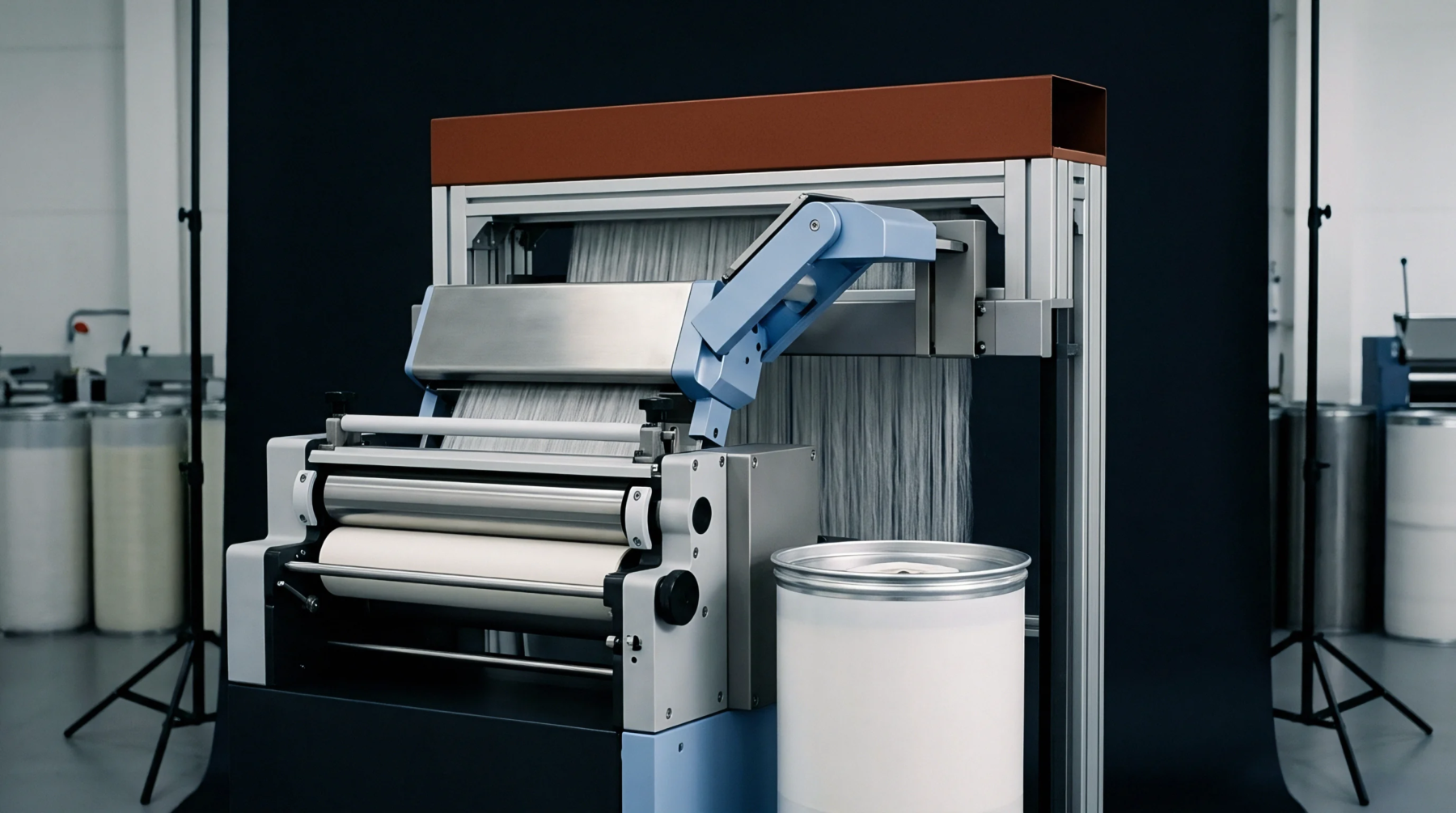
Warping Definition
Preparatory fabric construction consists of winding multiple narrow bands of yarn onto a single beam to create an aligned sheet of parallel strands for the loom. Sectional warping organizes these yarns into discrete segments that are wound sequentially onto a drum before their collective transfer to the main weaving beam. This arrangement maintains consistent tension across every single end throughout the accumulation process.
Operators use this method when long runs of specific color patterns or diverse fibre types require strict control over individual strand placement. Each winding block holds a precise number of ends determined by the total pattern repeat length or the specific capacity of the machine creel. Friction levels remain low because the drum diameter stays constant during the building phase.
Accurate geometry during this stage prevents the common defect of loose or tight edges which causes uneven fabric width during subsequent stages.
Warping Configuration
Production cycles utilizing this approach facilitate the handling of short to medium batches that would otherwise require excessive labour during manual setup. High quality output relies upon the tension monitoring system located at the creel exit to keep every strand identical in length before the winding begins. Discrepancies in strand length cause slack zones that degrade the performance of the harness system on high speed looms.
Mills apply this technique for specialized textile goods where precise stripe sequence or complex color layout dictates the order of the yarn. Correct winding geometry produces a stable package that avoids shifting or collapsing under the pressure exerted by the drum wall. Workers verify the integrity of the segments by measuring the build height against the prescribed limits for the specific material weight.
Warping Mechanism
Uniformity during the winding sequence depends upon the mechanical synchronization between the creel, the reed, and the drum rotation. Modern machinery employs programmable logic controllers to manage the traverse speed as the segment width grows. Constant surface speed maintains the density of the yarn pack while the drum oscillates to build the required width of the warp sheet.
Air pressure or hydraulic force keeps the side plates secure to ensure the profile of the segment stays vertical during the entire cycle. Excessive accumulation on one side of the section results in slanted edges that ruin the uniformity of the sheet. Precise mechanical alignment guards against the formation of ridges which affect the quality of the final textile product.
Warping Tradeoff
Efficiency gains from reduced setup time on short production runs provide a primary incentive for choosing this method over direct beam warping. High density yarn types often face excessive drag if the path length from the creel to the beam spans a large factory floor. Segmented winding keeps the distance between the creel and the beam short for delicate filaments that suffer from prolonged air exposure or electrostatic discharge.
Complexity in the machine setup requires skilled labor to adjust the tension settings for every individual segment change. Operational limits arise when the count of segments exceeds the available width of the drum or the capacity of the creel frames. Superior tension control throughout the entire warp sheet remains the primary advantage of this processing method.