Quality Defect
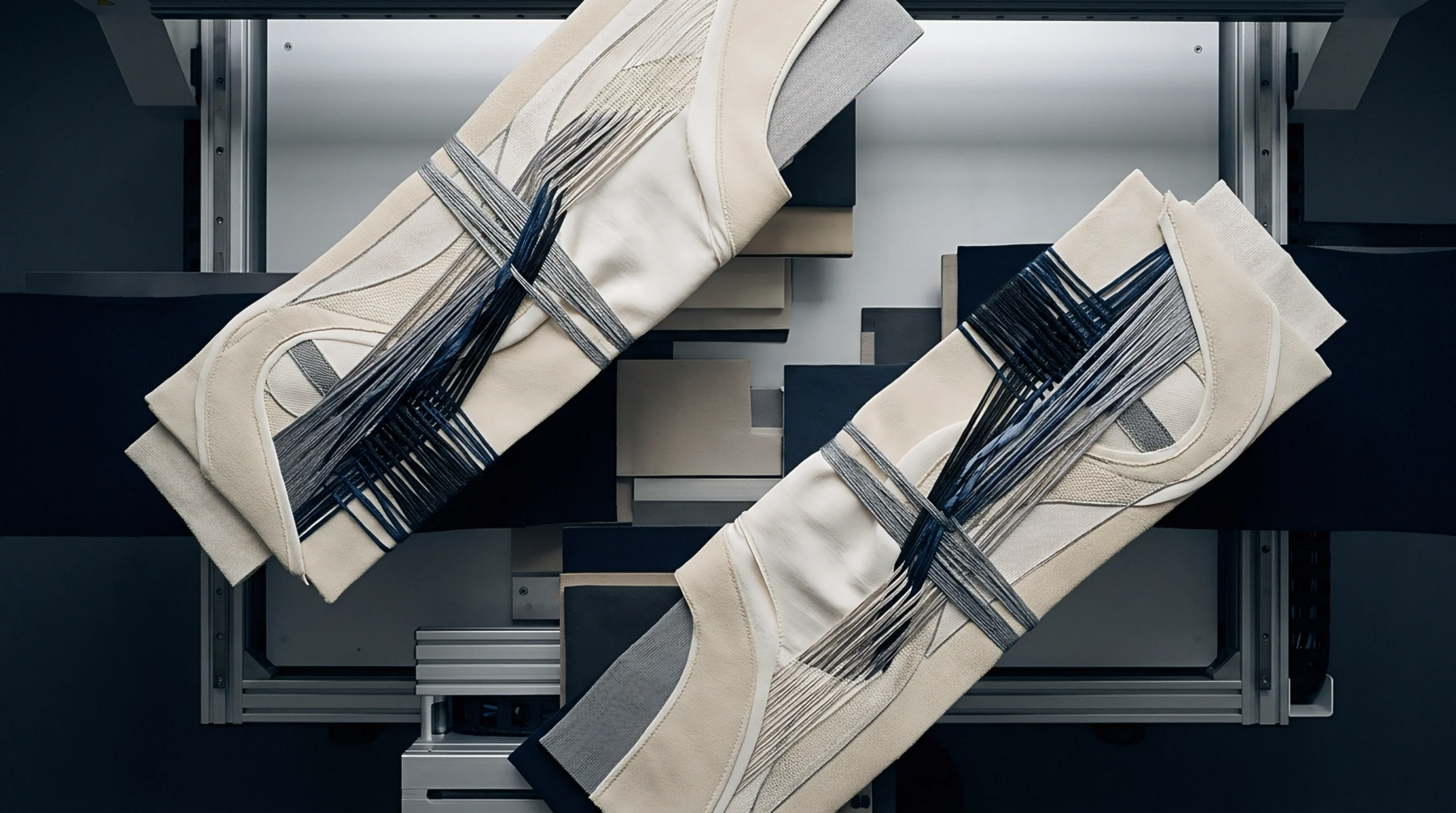
Difference in colour appearance between two or more groups of garments or fabric rolls that were originally part of the same production order but processed in separate batches. A split lot shade variation occurs when the dyeing parameters or chemical concentrations are not perfectly replicated across different machine runs. This discrepancy results in visible mismatches when pieces from different lots are sewn together or displayed side by side.
Process Source
Variations in water quality or the timing of chemical additions contribute to changes in the final hue.
Detection Method
Quality controllers use spectrophotometers and visual light boxes to compare samples from each batch against the master standard and each other. The presence of a split lot shade variation is often quantified using delta e values to determine if the difference is within the commercially acceptable limit. If the lots do not match, the fabric must be sorted and kept separate during the cutting and sewing stages.
Prevention Step
Grouping fabric rolls by their grey state properties and using the same machine for all parts of an order reduces the risk of colour mismatch. To avoid a split lot shade variation, mills often perform a side by side wash test of samples from every finished batch. Clear labeling of every roll ensures that the factory can maintain lot integrity throughout the garment assembly process.