Fabric Defect
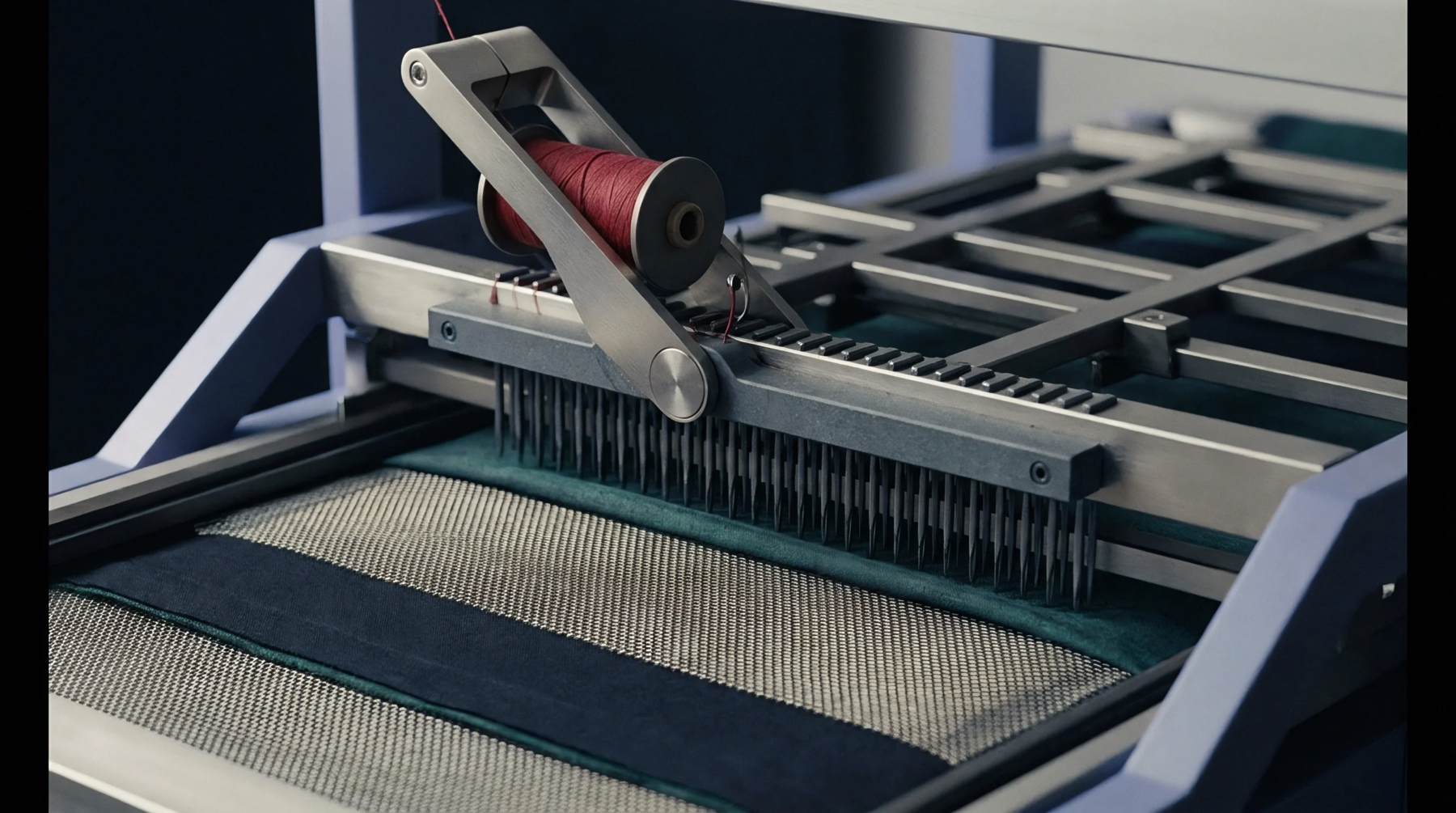
Visible horizontal bands of varying density or stitch size extending across the width of a knitted fabric arise from uneven mechanical feed or tension settings. This structural defect, known as structural banding, appears as a repeat pattern corresponding to the rotation of the knitting machine. The discrepancy alters both fabric appearance and physical performance.
Tension Variation
Inconsistent yarn feed rates among different knitting feeders on a multi-feeder circular machine create this defect. When yarn tension varies, the resulting structural banding exhibits alternating rows of tight and loose stitches that behave differently during finishing. This difference creates uneven shrinkage across the fabric width, causing distorted garments that do not meet size specifications, and reducing the commercial value of the finished knitwear.
Visual Quality
Quality inspectors use transmission light tables to identify the repeat pattern before sending the fabric to the dye house. Early detection of structural banding prevents the waste of dyes and chemicals on defective material. The inspection team flags the rolls for reprocessing or downgrading.
Industrial Resolution
Calibrating the yarn feed speeds with electronic stitch-length meters eliminates the tension differences that cause this issue. Correcting the machine setup ensures that structural banding does not recur. The maintenance team records the tension settings for future production runs.