Tensile Integrity
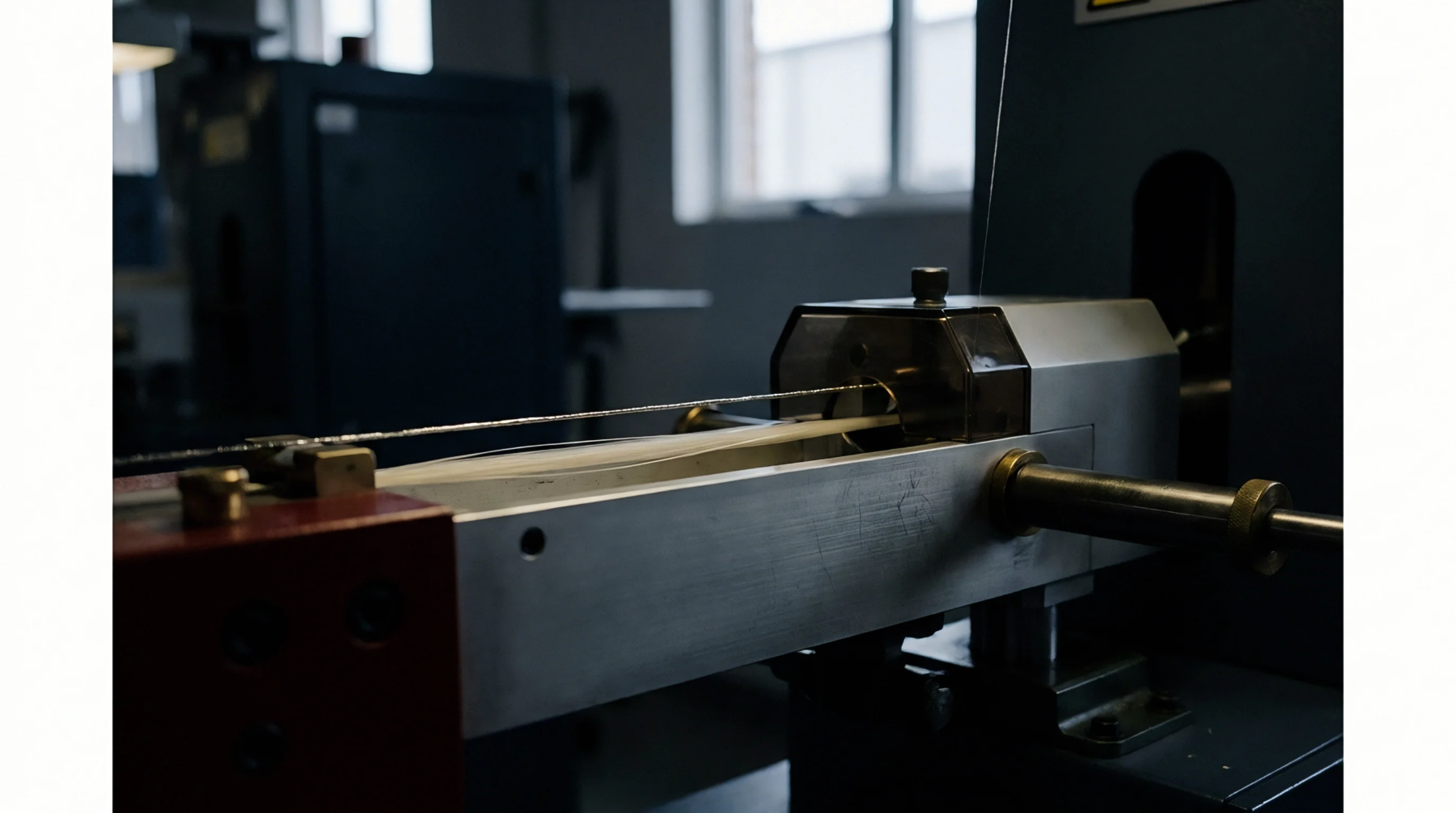
Measurement of the resistance against fatigue degradation determines structural membrane longevity within advanced technical textile architectures during cyclic stress loading. This attribute quantifies the endurance limit of coated fabrics when subjected to repetitive mechanical tension and environmental exposure under controlled laboratory test conditions. Determination of the value relies on tracking the microscopic fibre displacement within a base weave as the polymer coating undergoes periodic compression or expansion.
Engineers calibrate the interval of degradation by monitoring loss of elastic recovery and changes in porosity under sustained atmospheric pressure gradients. Proper analysis requires assessing how the chemical bond between the high tenacity polymer yarn and the surface finish withstands thermal fluctuations over a defined cycle count. Limits exist where the material reaches total mechanical failure because the internal structure cannot absorb further energy without permanent deformation of the load bearing yarns.
Polymer Cohesion
Internal stability depends on the chemical affinity between synthetic filaments and the protective exterior skin during long term operation. Failure happens when adhesion coefficients drop below the threshold required to maintain uniformity across the width of the roll. Manufacturers apply stress test protocols to verify that the bond strength withstands consistent flexural fatigue without delamination.
Consistent application of these testing methods provides a dataset that predicts the service duration of specialized outdoor shelters or heavy industrial curtains under static loads. Precision in the application of finishes dictates whether a fabric maintains its specified shape or suffers from progressive sagging.
Load Distribution
Efficient transfer of kinetic energy occurs through the warp and weft intersections to prevent localized strain concentrations. High performance fabrics distribute tension across the grid so that one single yarn set does not bear the entire weight of the structural assembly. Discrepancies in the weave density often produce weak points that accelerate the decline of the composite system.
Monitoring these variations during the coating process ensures that the finished product meets the necessary durability specifications for commercial utility. Dense weave patterns reduce the shear forces applied to the coating by locking the fibres into a fixed geometric position during heavy loading events.
Degradation Dynamics
Environmental factors such as oxidation or ultraviolet exposure accelerate the breakdown of synthetic fibres that define the physical lifespan of the material. Moisture ingress causes swelling of the internal filaments which eventually weakens the overall tensile capacity of the product when drying cycles follow constant humidity. Practitioners evaluate these performance shifts by examining sample sections taken after accelerated weathering cycles to determine the remaining safety margin for a specific installation.
Laboratory inspections show that the deterioration of the polymer layer happens faster in regions experiencing constant high friction against supporting frames. Surface treatments offer a barrier against atmospheric contaminants but they do not eliminate the influence of thermal cycles on the underlying substrate strength. Reliance on this metric permits the calculation of the replacement interval for architectural textile applications subjected to extreme weather conditions.