Packaging Allowance
Secondary weighing procedures confirm the actual mass of empty pallets, straps and wrapping materials to ensure the net weight of the fiber shipment is accurate. Through the process of tare weight verification, traders can determine exactly how much of a consignment’s total weight is composed of the product itself and how much is just the weight of the containers and packing. This accuracy is essential for settling commercial invoices and calculating customs duties correctly.
Actual Weighing
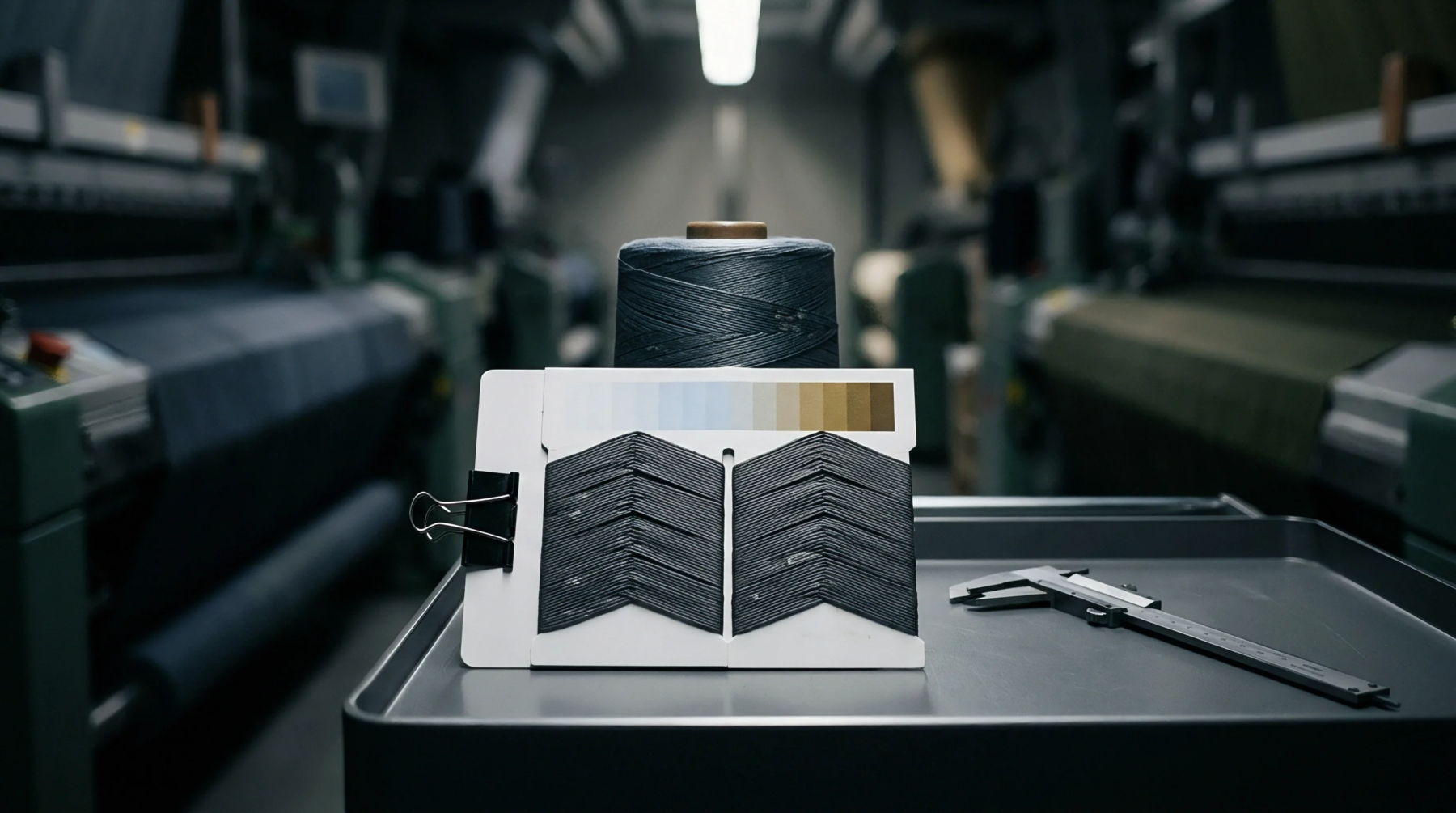
The procedure involves selecting a representative number of empty packages or pallets and weighing them on a precision scale. To perform a thorough tare weight verification, the surveyor must ensure that the items being weighed are identical to those used in the actual shipment. In the textile industry, tare weight includes the mass of the cardboard tubes or cones that yarn is wound on, as well as the plastic film, metal straps and wooden pallets used for transport.
If the actual tare weight is different from the estimated or average tare weight listed on the documents, the net weight of the fiber must be adjusted accordingly. This prevents the buyer from paying the high price of wool or silk for the weight of low-value packaging materials. For large shipments, such as a container of cotton bales, the tare weight of the entire container and the truck must also be verified.
This is done by weighing the vehicle both when it is full and when it is empty. These measurements provide the most reliable data for international trade transactions.
Deduction Method
Once the total tare weight is determined, it is subtracted from the gross weight of the shipment to find the net weight of the textile goods. This subtraction is the standard way of arriving at the figure that will be used for all financial and logistical calculations. Tare weight verification is often required by insurance companies and banks to verify that the quantity of goods matches the value of the credit being extended.
If a dispute arises regarding the weight of a delivery, the verified tare records are the primary evidence used to resolve the issue. Most international contracts specify the method of tare deduction to be used, such as actual tare or average tare. This clarity helps in preventing misunderstandings between the buyer at the mill and the seller at the origin.
Shipping Integrity
Maintaining accurate records of these weights supports the transparency and efficiency of the global supply chain. Tare weight verification is a standard practice at every major port and warehouse where textile materials are handled. It ensures that every party in the transaction is treated fairly and that the reported data is defensible under audit.
Any error in the tare measurement can lead to significant financial losses over time, especially for high-volume traders. Using calibrated scales and following standardized procedures is the only way to guarantee the integrity of the weight data. The final settlement of the trade depends on these verified figures.
Reliable weight information is a fundamental requirement for the modern textile industry.