Thermosol Process Kinetics
Heat setting mechanisms apply high thermal energy to synthetic fabric webs to permanently stabilize dye molecules and synthetic polymer structures. High speed stenter frames transport padded fabric webs through heated oven zones maintained at precise temperatures between one hundred eighty and two hundred fifteen degrees Celsius. Heat exposure softens synthetic polymer amorphous regions, lowering structural viscosity and allowing disperse dye molecules to dissolve directly into polyester fibres.
Thermal energy opens polymer chain structures, facilitating rapid dye diffusion into interior filament cores within short exposure times lasting fifteen to thirty seconds. Subsequent rapid cooling locks dye molecules permanently within re-crystallized polymer networks, establishing high wash and light fastness properties. Continuous thermal fixation processing enables high throughput dyeing of polyester and polyester-cotton blended fabrics.
Precise temperature and dwell time control ensures uniform dye shade development across full fabric widths.
Stenter Chamber Operations
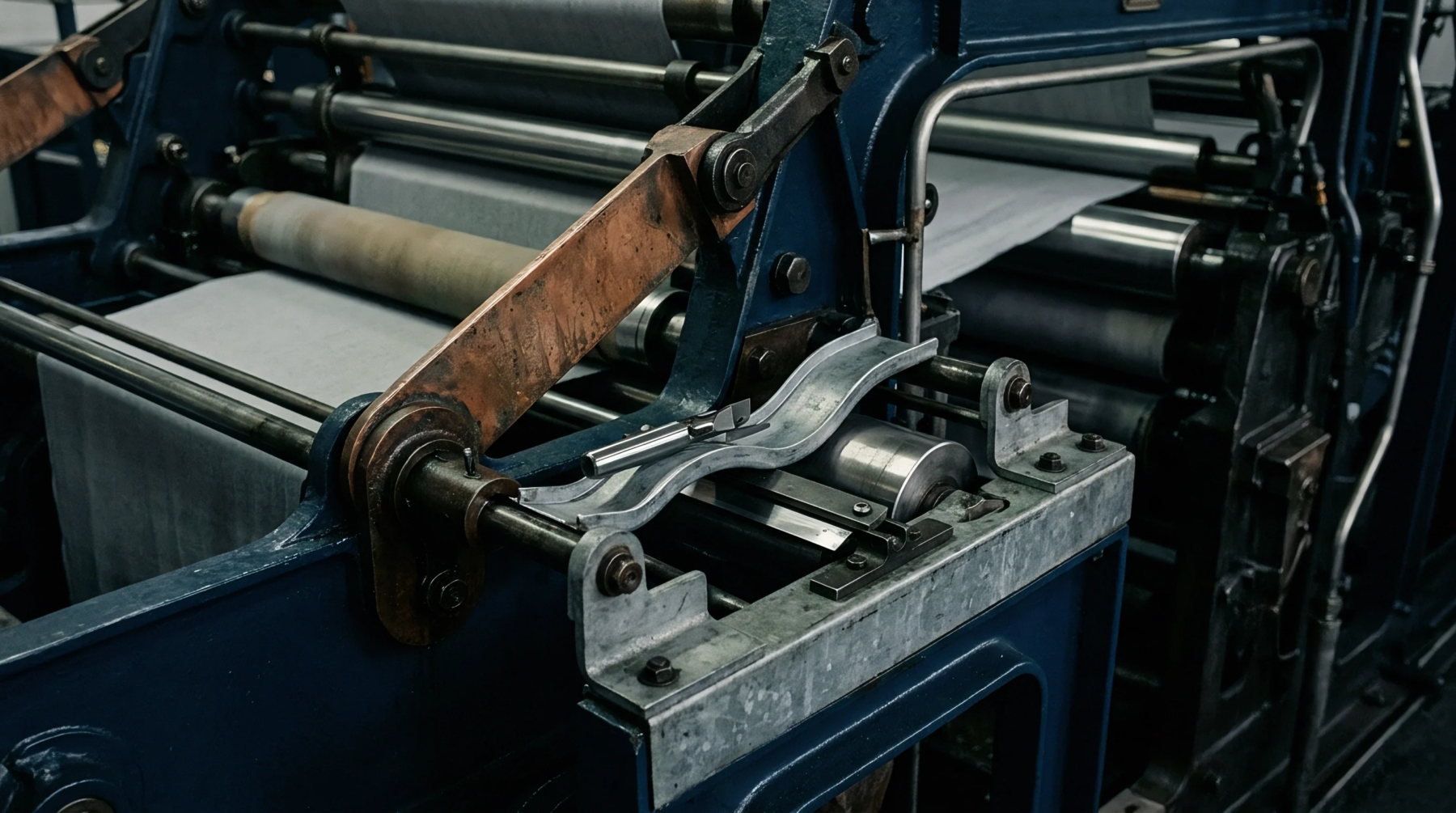
Industrial continuous processing ranges utilize specialized multi-zone hot air stenter frames to maintain uniform heating across fabric surfaces. Pin or clip chain transport systems grip fabric selvedges, holding precise web width dimensions under controlled lateral tension during heat exposure. Burner systems and high velocity circulating fans deliver uniform hot air streams across upper and lower fabric faces inside insulated oven chambers.
Temperature sensors continuously monitor individual heating zones, adjusting fuel inputs automatically to maintain target temperatures within tight tolerances. Inconsistent heating across stenter zones causes severe shade variation, edge-to-center color shading and uneven dimensional shrinkage. Exhaust systems remove volatile chemical fumes and moisture generated during fabric drying and thermal fixation cycles.
Proper machine maintenance preserves uniform heat transfer dynamics critical for high quality continuous dyeing.
Polymer Structure Reorganization
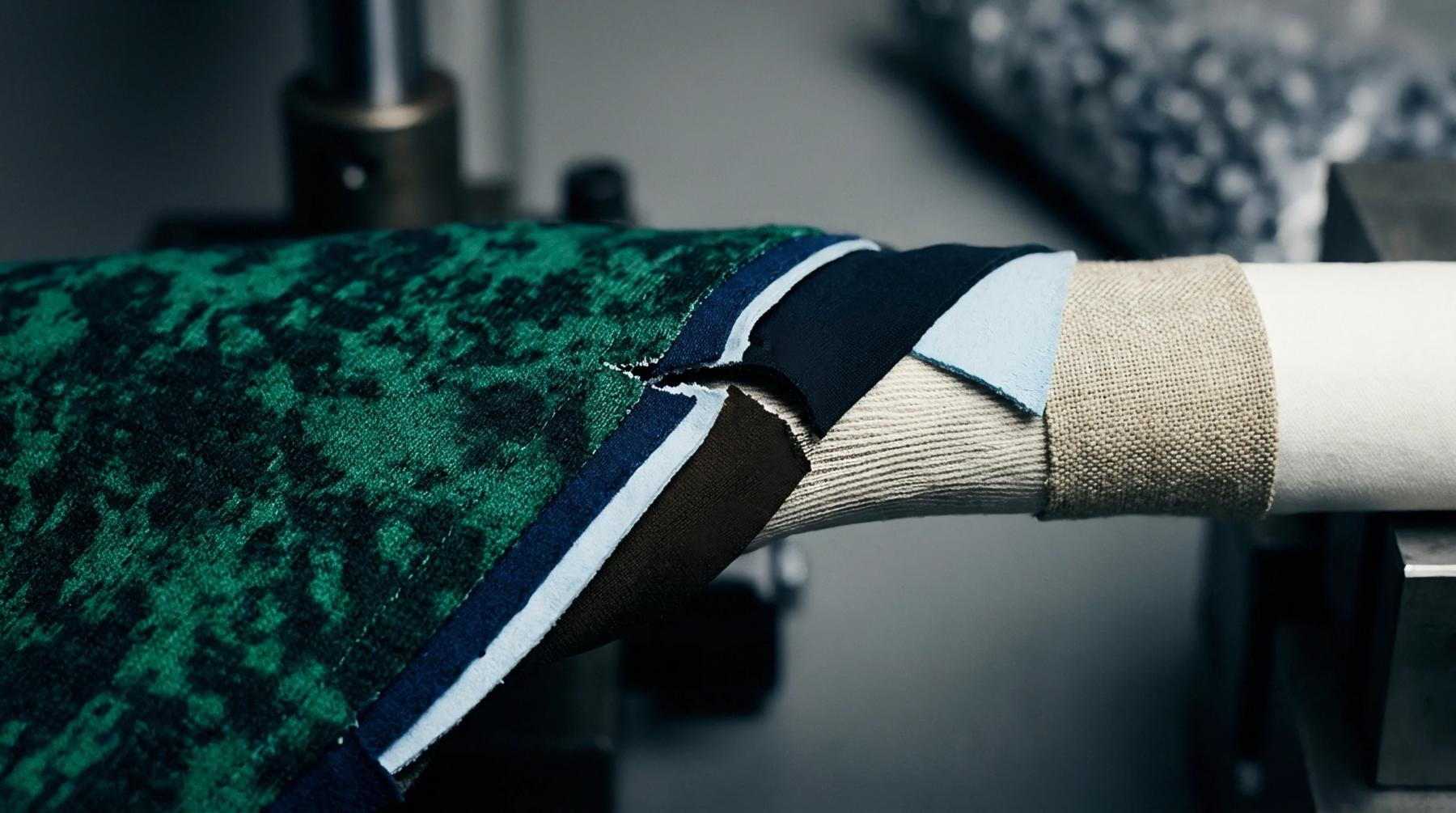
High thermal exposure relieves internal mechanical stresses introduced during synthetic yarn spinning, drawing and fabric weaving operations. Temperatures exceeding synthetic polymer glass transition thresholds allow orientation of disordered amorphous polymer chains into stable crystalline configurations. Realigning polymer chains sets permanent fabric dimensions, preventing post garment shrinkage during consumer laundering or thermal pressing.
Thermal fixation establishes desired fabric hand properties, surface flatness and resistance to permanent creasing during subsequent wet processing. Overheating causes polymer thermal degradation, loss of fibre tenacity, yellowing of white fabrics and severe fabric embrittlement. Engineers balance temperature, tension and exposure duration to achieve structural stability while preserving optimal mechanical fabric strength.
Controlled heat setting underpins high performance synthetic fabric manufacturing.
Commercial Fastness Verification
Standardized fastness testing evaluates color fastness to washing, dry cleaning and rubbing on thermally fixed dyed synthetic fabrics. Laboratory colorimeters measure shade uniformity and color strength development across treated fabric rolls to verify complete dye fixation. Incomplete thermal fixation leaves unfixed disperse dye on outer fibre surfaces, producing poor rubbing fastness and severe staining on adjacent white test fabrics.
Production lots undergoing quality checks must pass strict fastness criteria before clearing post dyeing wash-off stages. Technical reports document thermal fixation parameters, including temperature profiles, line speeds and width settings for future production reproducibility. Verifying fastness parameters prevents commercial claims regarding shade bleeding or fading in finished apparel.
Continuous quality verification ensures high manufacturing standards across global dye houses.