Moisture Allowance
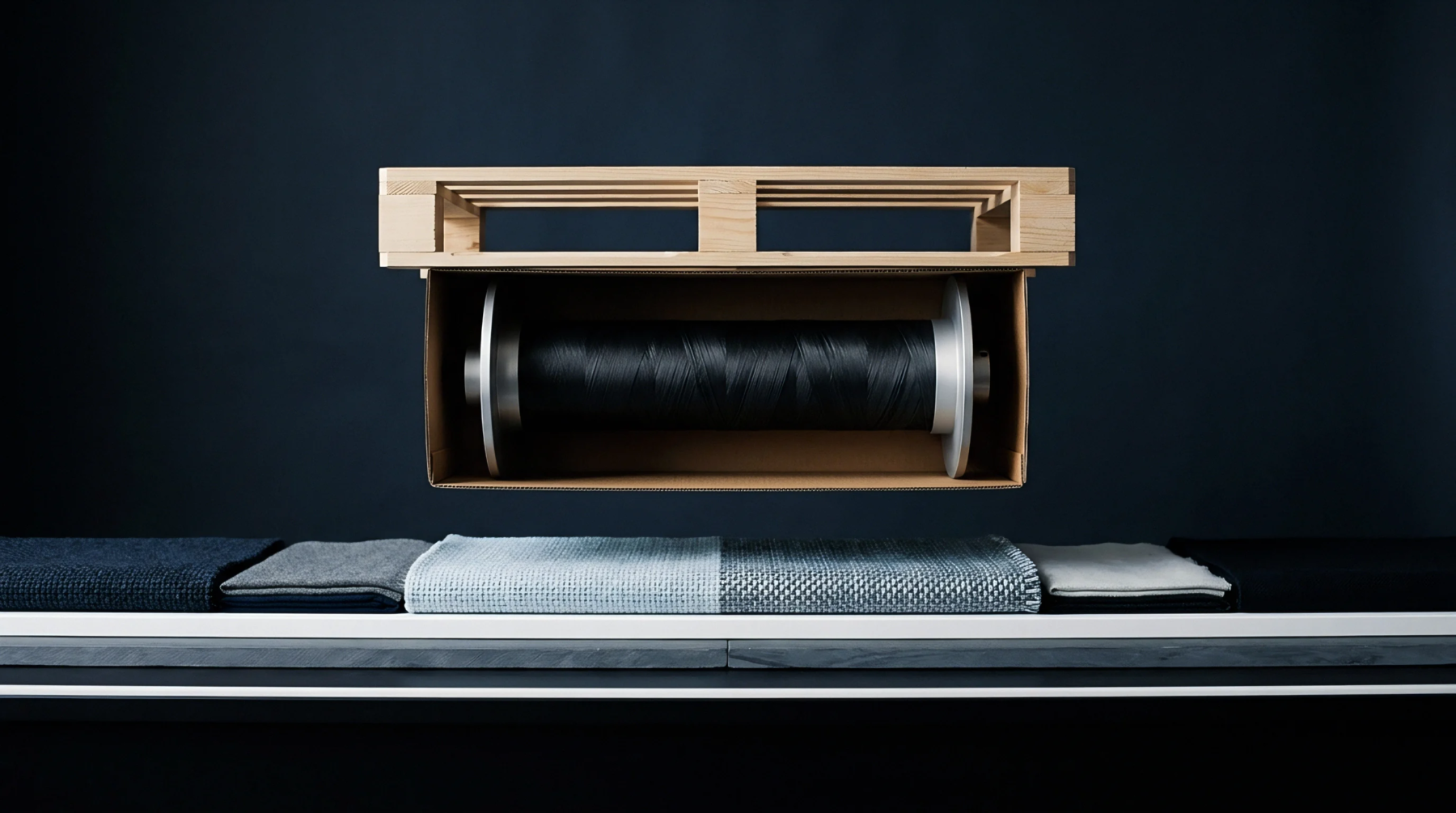
Water mass absorbed by dry regenerated cellulose fibre under standard atmospheric conditions constitutes viscose regain, an official calculation metric applied during commercial settlement of staple lots. Mill accountants divide wet weight by dry weight to derive the proportional offset. Commercial transactions depend on this exact quotient because regenerated cellulose absorbs ambient humidity readily from the spinning room floor.
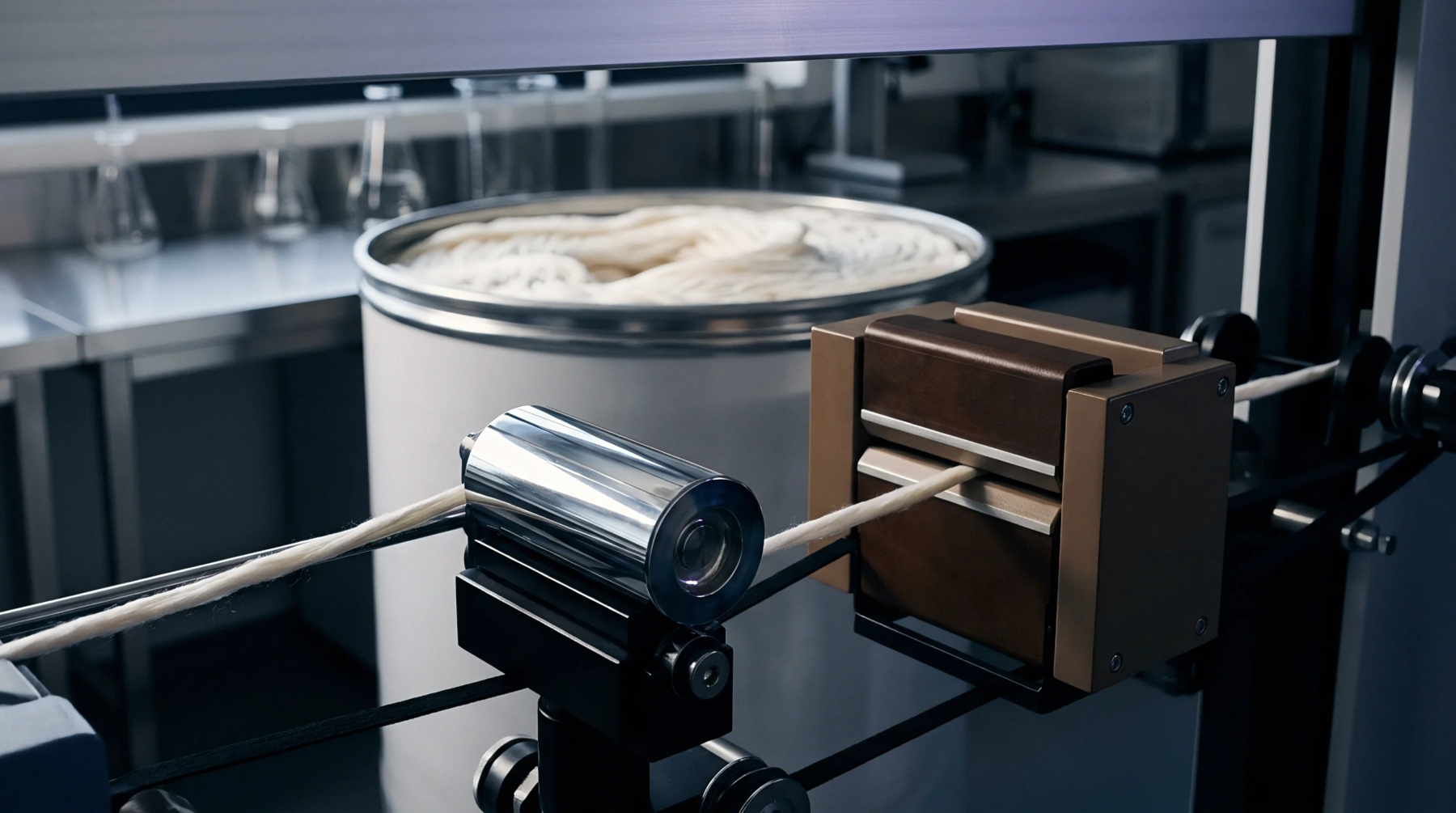
Buyers refuse to pay dry yarn prices for water weight gained during transit across oceanic shipping routes. Standard atmospheric testing requires drying ovens and precise balance scales inside certified conditioning houses.
Hydroscopic Variance
Ambient relative humidity fluctuations alter filament dimensions while altering spinning tension across high speed draw frames. Regenerated cellulose swells laterally as hydrogen bonds absorb water molecules from surrounding air volumes. Spinning technicians adjust drafting rollers whenever hygroscopic shifts threaten yarn regularity.
Filament breakage rates rise sharply if operators ignore moisture variations during carding or roving operations.
Settlement Standard
International cotton and allied textile exchanges enforce fixed moisture allowances to prevent financial disputes over water weight. Commercial contracts state the baseline percentage applied to bone dry mass during invoicing procedures. Mill auditors verify conditioning certificates before releasing payment for bulk viscose deliveries.
Disputed shipments undergo arbitration at designated testing facilities equipped with forced air drying ovens.
Processing Limit
Excessive moisture retention lowers tensile strength while increasing yarn elongation during subsequent weaving preparation steps. Sizing departments monitor regain levels continuously to prevent weak warp breaks on high speed projectile looms. Finished fabric weights fluctuate outside acceptable tolerances if raw staple conditioning remains unchecked prior to spinning.
Laboratory technicians reject yarn batches failing standard atmospheric recovery thresholds before dyeing operations begin.