Operational Metric
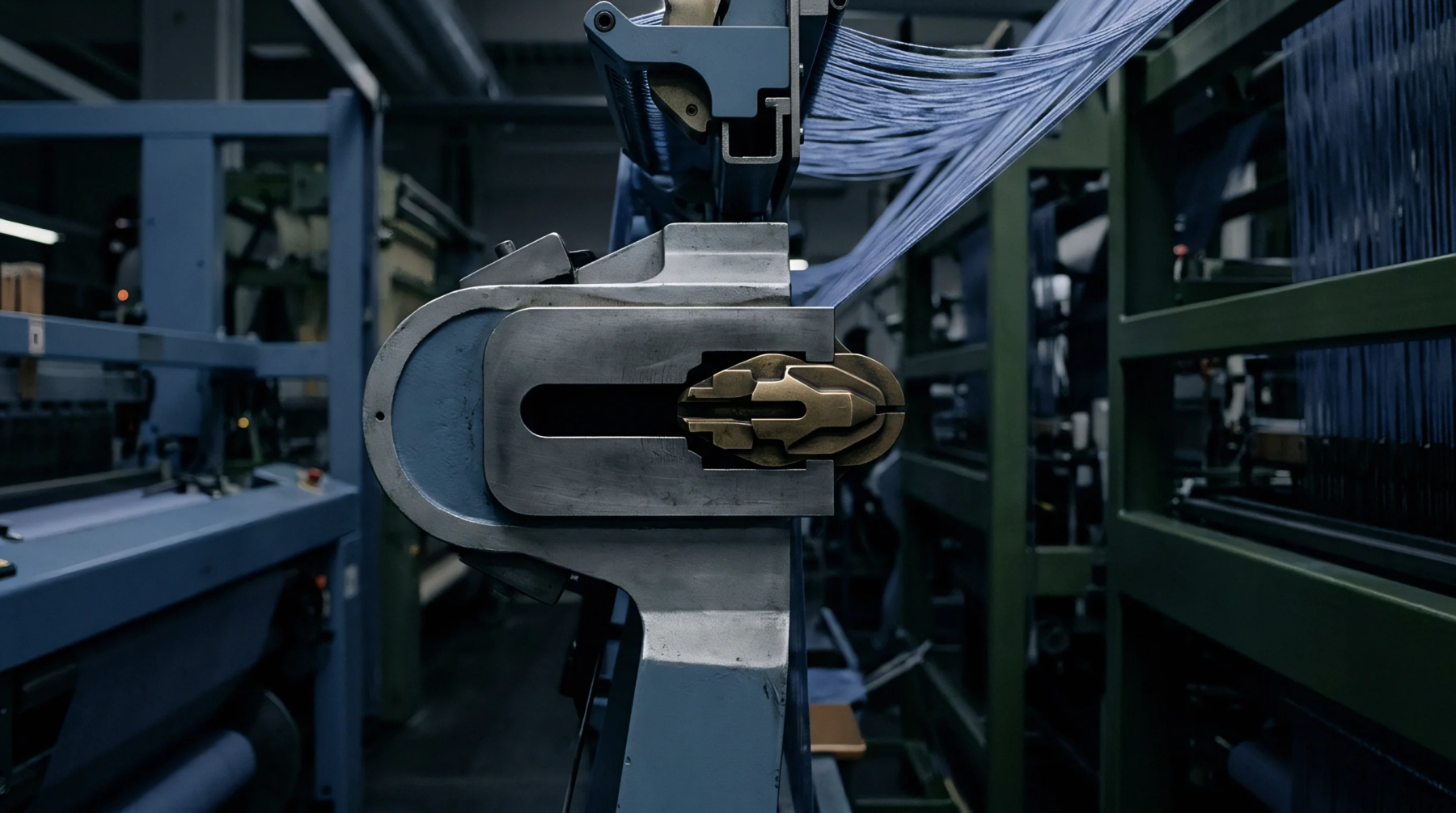
Loom tension analytics determine the frequency of yarn failure during the production of base fabric across high speed weaving operations. The warp end breakage rate quantifies these snapping events relative to the total length of fabric produced or the total picks inserted into the shed. Technical teams verify this count through automated sensors or manual tally sheets at the end of every loom cycle.
High occurrences usually signal insufficient yarn sizing, excessive loom speeds or inconsistent raw material quality. Mills monitor this data point to predict maintenance schedules and to adjust input parameters for specific fabric constructions. Low counts confirm stable machine settings and appropriate yarn preparation for commercial use.
Production Frequency
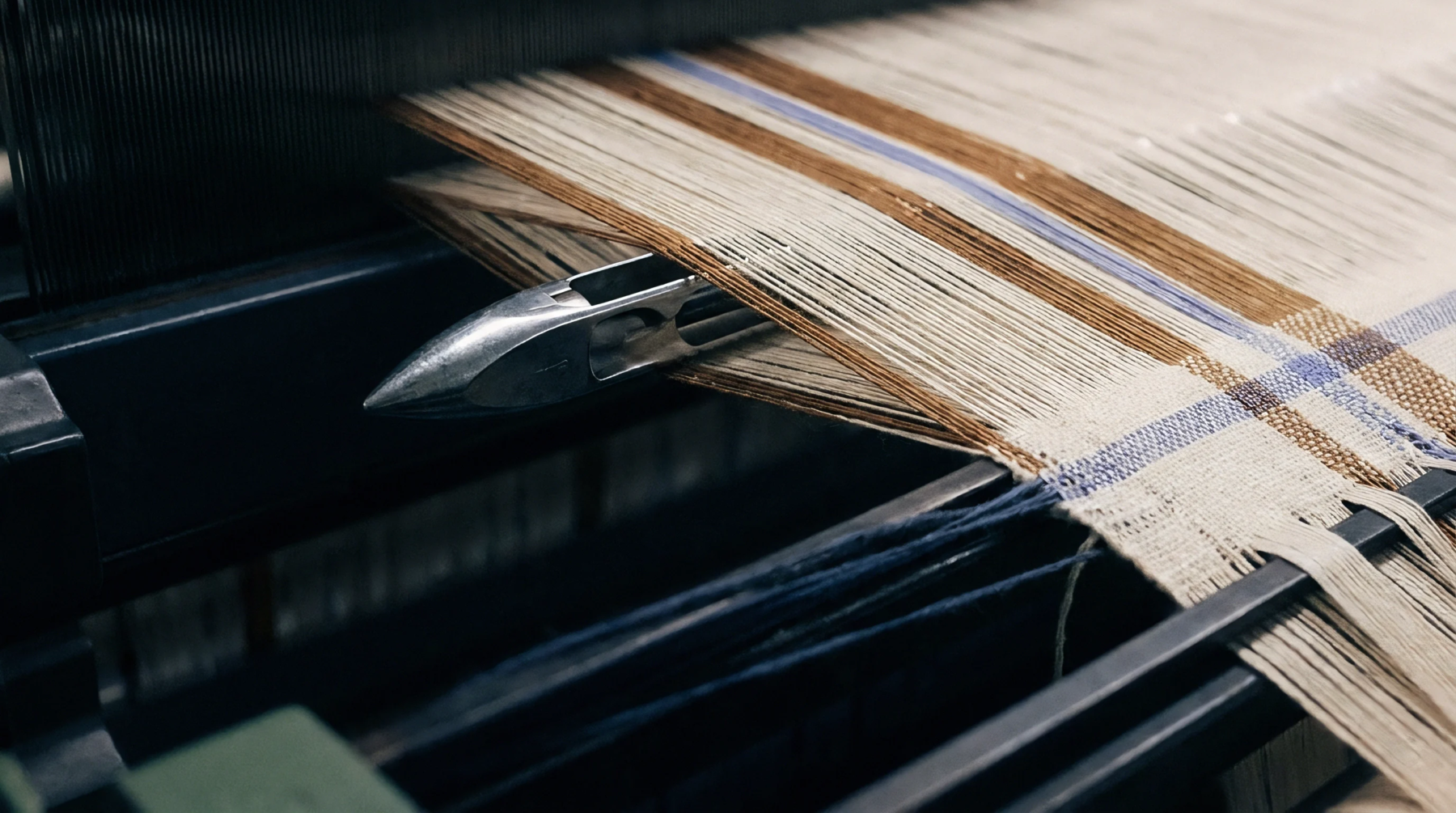
Periodic checks verify that internal standards for these failure events remain within expected tolerances for mass market production. A loom creates a specific cycle of tension as the harness lifts and the reed beats the filling yarn into the fell. If a single strand loses integrity, the automated motion stops to prevent fabric defects such as missing ends or pattern errors.
Staff calculate the incidence per hundred thousand picks to compare performance between different machine models or yarn batches. Factories maintain historical logs of these stoppages to isolate recurring mechanical issues from intermittent batch flaws.
Material Integrity
Fibre character dictates the baseline performance of a yarn during mechanical cycling through the loom shed. Natural fibres display variation in diameter and strength which creates unpredictable stress points during the beating process. Synthetic filaments generally provide greater uniformity and lower counts because consistent material properties reduce sudden snap events during high speed motion.
Pre-treatment steps like sizing add a protective film to the surface of individual ends, which shields the material from the abrasive contact of metal heddles and reeds. Any deviation from the calculated sizing concentration alters the friction levels and shifts the recorded count of breaks. Consistent output depends on the tension control within the warping creel and the humidity levels maintained within the weaving room floor.
Structural Constraint
Economic viability for any textile facility hinges on the ability to maintain a steady flow of finished goods without frequent machine resets. Each stoppage reduces the efficiency of the asset and increases the cost per linear meter through wasted labour hours and idle capacity. Management establishes targets for this data point based on the complexity of the fabric design and the grade of the input yarn.
Overly ambitious targets pressure operators to increase speeds beyond the capacity of the material, which creates a sharp spike in damage and total output loss. Precise control of the environment and the mechanical input ensures the process operates at the capacity limit without exceeding the tolerance for failure events. Successful production achieves a balance where the physical properties of the yarn align with the mechanical load of the loom.