Construction Metric
Fabric structure analysis counts the number of filling yarns present per unit length of a woven fabric. Quality control teams use weft pick density to verify that the fabric meets the requested construction standards and weight requirements. This density determines the strength, cover, and durability of the finished textile.
It applies to all woven fabrics, but does not apply to non-woven or knitted materials.
Counting Method
The inspector uses a pick glass or a specialized magnifying loupe to count the yarns within a one-inch or one-centimetre window. These measurements are taken at several points across the fabric to ensure consistency. A high-density fabric has more picks per inch, which usually indicates a stronger and more durable material.
This is a standard quality check.
Loom Adjustment
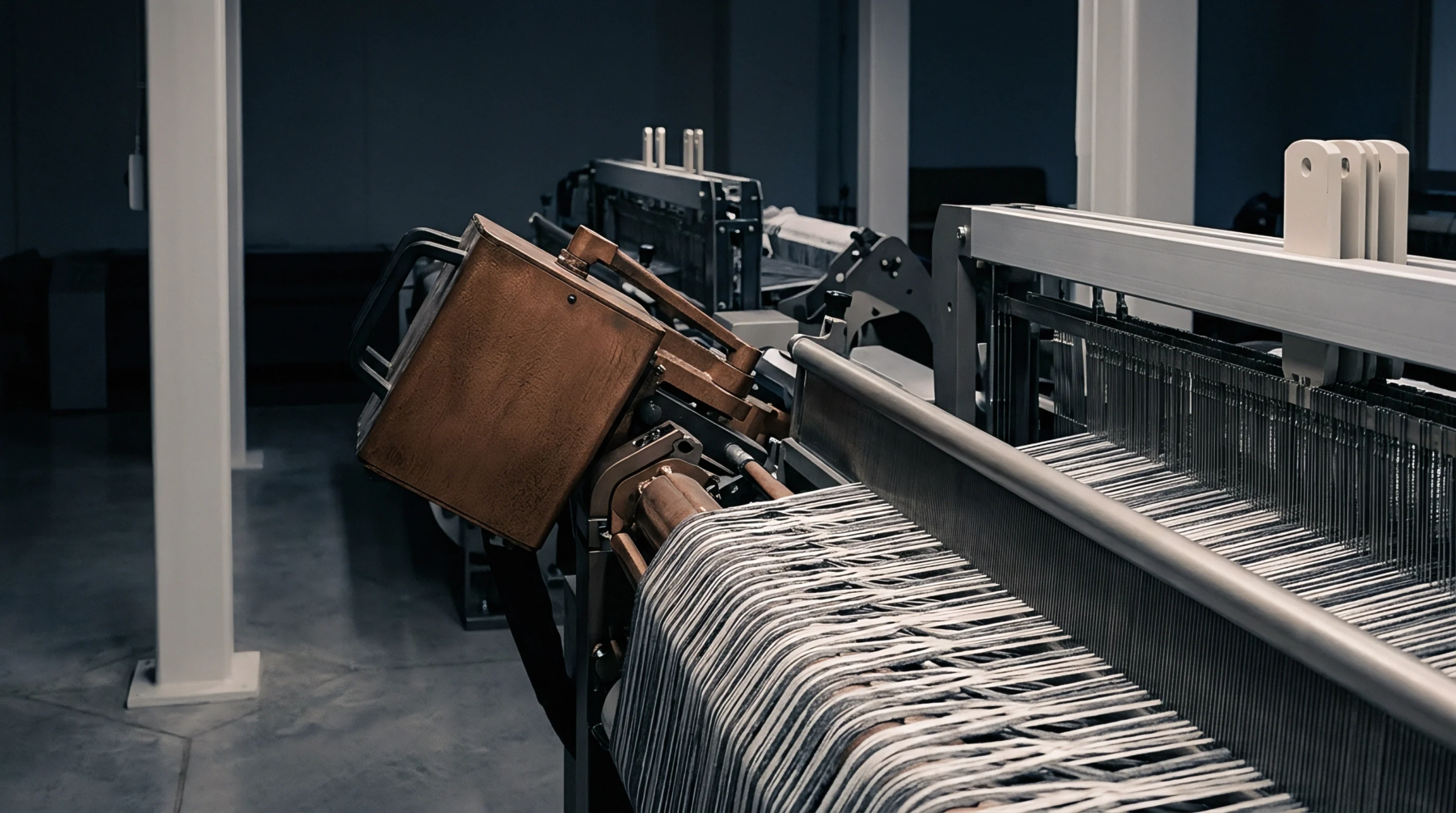
The pick density is controlled on the loom by adjusting the rate at which the fabric is wound onto the take-up roll. If the pick density is too low, the fabric may be loose and prone to yarn slippage. If it is too high, the loom’s productivity is reduced, and the fabric may become too stiff.
Finding the right balance is essential.
Shrinkage Impact
Weft density can change during dyeing and finishing as the fabric shrinks in length. Wet processing relaxes the yarns, which increases the pick count per inch. Testing the density after finishing ensures that the fabric has achieved its final, stable dimensions before it is shipped.