Elastane Core Degradation Dynamics during High Temperature Disperse Dye Stripping and Clearing Cycles
High temperature dye stripping at 130°C cleaves elastane soft segments, causing irreversible modulus loss and severe fabric growth in polyester blends.

Strand
Synthetic stretch yarns rely on a segmented polyurethane elastomer core surrounded by staple or filament sheath fibers. When polyester and elastane blends experience off-shade dyeing or severe unlevelness, dyehouses introduce thermal stripping cycles to desorb disperse dyestuffs from the polyester matrix. This thermal treatment exposes the elastic core to pressurized aqueous liquor at temperatures between 120°C and 135°C. Understanding core survival during this wet-processing corrective action demands examining the underlying chemical structure of the polyurethane polymer.
Polyurethane Architecture and Thermal Susceptibility
Block copolymers forming the elastic core consist of alternating rigid and flexible domain regions. Hard segments assemble from aromatic diisocyanates such as 4,4′-diphenylmethane diisocyanate linked with short-chain diamines or diols. These hard segments form semicrystalline, hydrogen-bonded domain networks that provide physical crosslinks, high melting points, and initial elastic recovery.
Flexible soft segments derive from long-chain polyether macroglycols such as polytetramethylene ether glycol or polyester macroglycols such as polyadipate. Soft segments remain amorphous at ambient room temperatures, granting the filament high extensibility under low mechanical force.
Polyether cores resist hydrolytic attack. Polyester cores degrade rapidly under hot alkaline conditions. Commercial elastane yarn specifications rarely identify the exact soft segment chemistry on incoming swatch cards, leaving dyehouse technical managers vulnerable during shade correction cycles.
Exposure to aqueous liquor above 120°C initiates thermal relaxation inside the hard segment crystalline regions. Hydrogen bonds within the urea linkages dissociate, allowing individual polymer chains to slip past one another under jet liquor circulation tension.
Soft Segment Scission under Aqueous Thermal Stress
Macroglycol chains inside the elastic filament determine low-modulus extensibility. Thermal stress breaks polyurethane chains. During standard disperse dyeing of polyester at 130°C for 45 to 60 minutes, polyether-based elastane retains sufficient molecular weight to recover initial dimensions after drying and stenter frame heat-setting.
Re-dyeing or stripping cycles double or triple the total time spent at peak temperature. Extended thermal dwelling induces macroglycol scission through combination thermo-oxidative and hydrolytic mechanisms.
Water liquor at 130°C reduces polyether elastane chain molecular weight by up to twenty-eight percent over a two-hour dye stripping run.
As molecular weight drops within the soft matrix, the polymer loses internal viscous damping capacity. The physical crosslinks formed by hard segment domains experience increased mechanical shear stress during fabric transport through jet nozzles. Core rupture destroys recovery force.
When soft segments undergo scission, the elasticity of the core yarn degrades permanently, shifting the stress-strain curve toward higher elongation at significantly reduced recovery force.
Dyehouses frequently explain post-strip elastane breakage by claiming incoming greige yarn contained baseline spinning defects or latent oxidative damage prior to thermal wet processing.
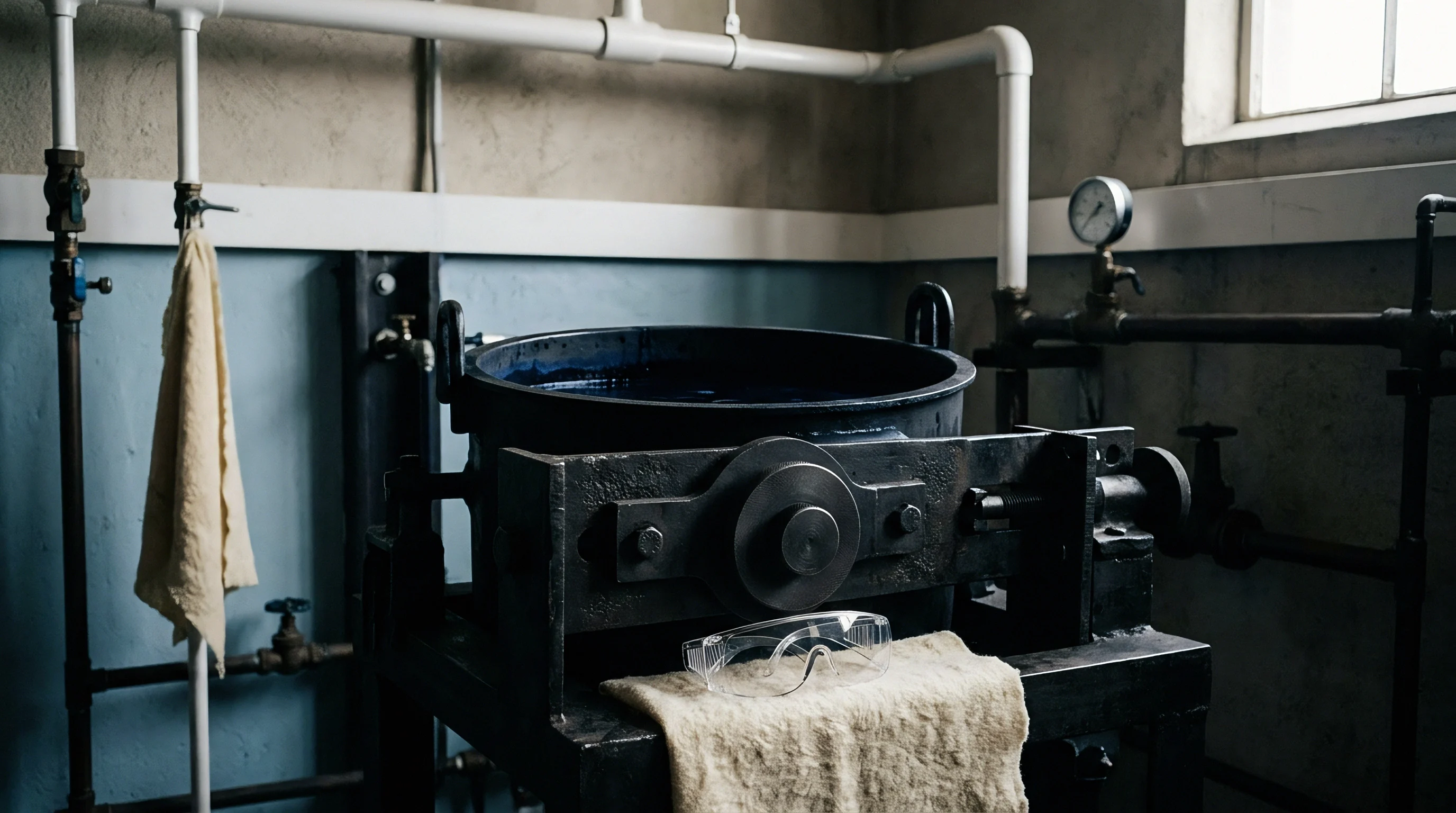
Cleavage
Polymer backbone fragmentation accelerates when wet processing temperatures surpass the relaxation threshold of hard segments. Disperse dyestuffs bind inside hydrophobic polyester fibers through van der Waals forces and hydrogen bonds. Stripping off-shade disperse dye requires opening the polyester fiber matrix, desorbing dyestuff molecules into the bath, and preventing re-exhaustion.
Achieving effective desorption demands thermal energy equal to or higher than the original dyeing cycle, subjecting the core elastane to severe chemical cleavage environments.
Hydrolytic and Pyrolytic Polymer Chain Breakdown
Water molecules at elevated temperatures attack chemical linkages within the elastomer matrix. Hydrolysis targets ester and urethane linkages directly. Polyester-based polyurethane cores undergo autocatalytic ester hydrolysis under hot bath conditions, yielding carboxylic acid end-groups that accelerate further polymer cleavage.
Polyether-based cores resist direct ester hydrolysis but succumb to pyrolytic chain scission and free-radical oxidation when dissolved oxygen remains inside sealed jet dyeing vessels.
Bath heat drives chemical scission. Hydrolytic attack on urethane groups generates primary amines and carbon dioxide gas, while urea linkage breakdown produces aromatic amines and terminal carboxylic structures. These scission reactions shorten the average polymer chain length, eroding the physical network density required to pull stretched elastane filaments back to baseline dimensions.
| Stripping Regime | Bath Conditions | Soft Segment Scission Rate | Hard Segment Dissociation | Residual Tenacity |
|---|---|---|---|---|
| High Temperature Carrier-Free | 130°C, pH 4.5, 60 min | Moderate (12-18%) | High (30-40%) | 72% |
| Alkaline Reductive High Temp | 130°C, pH 11.0, 45 min | Severe (35-50%) | Very High (>50%) | 48% |
| Carrier-Assisted Moderate Temp | 115°C, pH 4.5, 60 min | Low (5-10%) | Moderate (15-20%) | 86% |
| Heavy Alkaline Double-Cycle | 130°C, pH 11.5, 90 min | Extreme (>60%) | Catastrophic (>75%) | 29% |
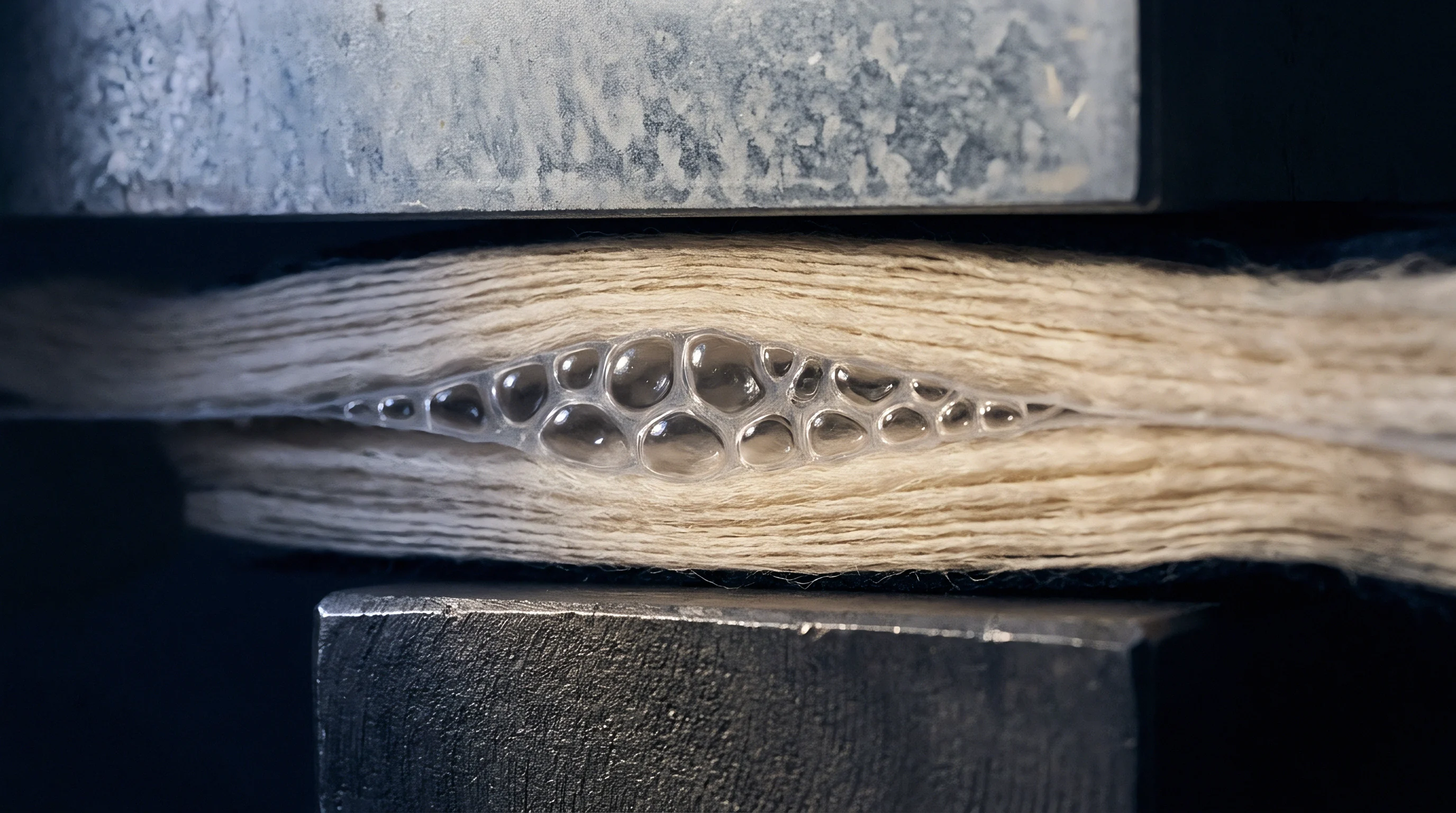
Ph Dependence across Acidic and Alkaline Stripping Baths
Bath hydrogen ion concentration controls the rate of chemical bonds fracturing during color removal cycles. Acidic stripping systems operating between pH 4.0 and 5.0 utilize specialized organic leveling agents and dye desorbing auxiliaries. Acidic conditions slow down urethane hydrolysis, preserving core filament structure compared to basic liquors.
Acidic stripping yields lower disperse dye desorption efficiency on heavy shades, often prompting mill operators to adjust liquor chemistry toward basic pH levels.
Alkaline conditions accelerate degradation. Introducing caustic soda to achieve pH 10.5 to 11.5 swells elastane fibers, allowing aggressive chemical attack on urea hard segments. The combined action of 130°C thermal stress and high hydroxide ion concentration cleaves diphenylmethane diisocyanate linkages rapidly.
Swelling chemicals such as butyl benzoate or methyl naphthalene carriers lower the required desorption temperature to 115°C. These organic solvents plasticize the polyurethane core, promoting deep liquor penetration that accelerates soft segment dissolution if washing processes fail to remove solvent residues efficiently.
Alkaline bath conditions above pH 11.0 at 130°C reduce polyurethane core tenacity below commercially usable garment assembly limits.
Ignoring temperature thresholds during shade correction converts expensive stretch fabric into distorted, low-tenacity scrap that fails garment cutting inspections.
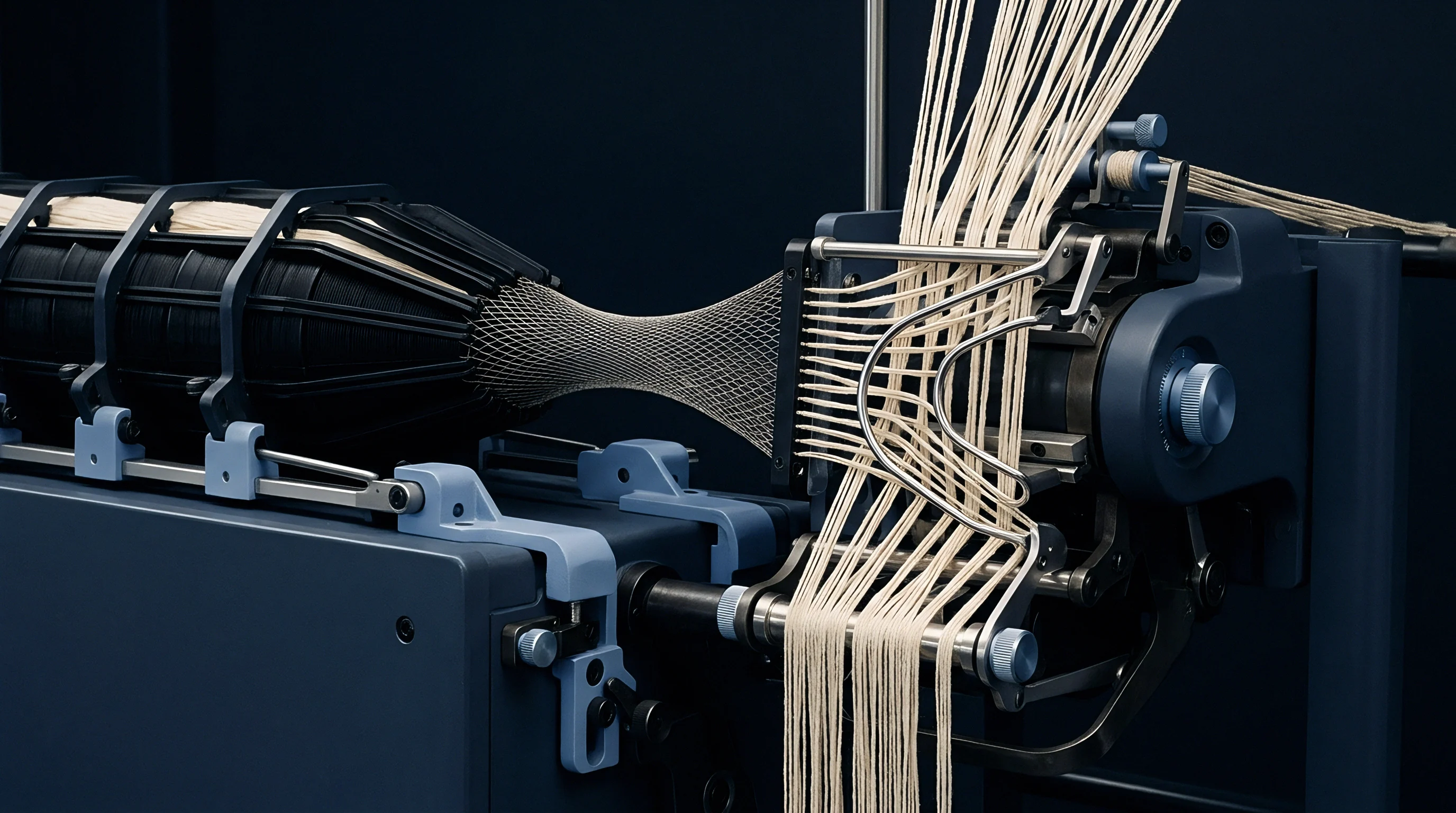

Reduction
Chemical stripping of disperse dyestuffs relies on powerful electron-donating compounds to degrade insoluble color molecules. Once disperse dyes desorb from polyester into the stripping bath, un-cleaved dyestuff molecules can re-exhaust onto hydrophobic elastane cores. Elastane fibers possess higher affinity for many disperse dyes than polyester fibers, resulting in heavy staining of the elastic core.
Dyehouses execute reduction clearing cycles to destroy desorbed chromophores inside the bath and strip surface dye from the elastane filament sheath.
Sodium Dithionite and Thiourea Dioxide Cleavage Kinetics
Reducing agents generate reactive radical species that break azo and anthraquinone chromophores during wet processing. Sodium dithionite, commonly termed sodium hydrosulfite, dissociates in aqueous alkaline solutions to form monomeric sulfinate radical anions. These radical anions reduce azo bonds into colorless, water-soluble amine fragments.
When reduction clearing operates at standard temperatures between 70°C and 80°C, sulfinate radicals target surface-adsorbed dye without penetrating deeply into the polyurethane core matrix.
Sodium dithionite yields sulfinate radicals. Pushing reduction clearing temperatures to 95°C or combining reduction agents directly into high-temperature 130°C stripping baths drives sulfinate radicals into the swollen elastane filament core. Radical attack targets aromatic rings within diphenylmethane diisocyanate hard segments, destroying hydrogen-bonding sites.
Thiourea dioxide, also known as formamidine sulfinic acid, provides higher thermal stability and stronger reducing potential than sodium dithionite. Thiourea dioxide requires elevated heat. Operating thiourea dioxide baths above 85°C without precise pH buffer control generates aggressive sulfinic derivatives that cleave soft segment ether linkages within 30 minutes of bath exposure.
- Core Filament Fraying occurs when localized urea scission causes individual micro-filaments inside air-covered yarns to untwist and snap under machine tension.
- Permanent Growth Accumulation develops after hard segment hydrogen bonds fail, preventing the fabric from returning to original width dimensions during stenter drying.
- Burst Strength Collapse follows cumulative physical degradation of both elastane core yarns and polyester sheath components during prolonged thermal processing.
- Module Retention Loss yields a loose hand-feel and saggy elastic response in finished stretch garments after short wear periods.
Surfactant Shielding and Protective Auxiliaries
Specialized amphiphilic bath chemicals form steric barriers around hydrophobic core filaments. Ethoxylated fatty amines, sulfated polyglycol ethers, and fatty alcohol alkoxylates exhibit high surface activity at elastane interfaces. Added to dye stripping liquors, these surfactant molecules adsorb preferentially onto the polyurethane core surface.
Surfactants cushion core fiber stress. The hydrophobic hydrocarbon tails align toward the elastane surface, forming a dense barrier that slows hydroxide ion and reducing radical diffusion into the polymer core.
Polyurethane protective auxiliaries contain sacrificial antioxidant moieties within their chemical formulation. These compounds react preferentially with free radicals present in the bath, neutralizing oxidative species before they attack ether linkages in polyether soft segments. Effective surfactant shielding allows dyehouses to operate reduction clearing baths at 85°C, achieving high color fastness on dyed polyester without inducing severe loss of elastic recovery.
Standard quality contracts mandate that stripped stretch fabrics retain minimum eighty-five percent burst strength compared to un-stripped reference greige rolls.
A standardized purchase specification capping total stripping cycles at zero revokes mill liability waivers for elastane degradation when off-shade lots undergo unapproved thermal reprocessing.
Hysteresis
Mechanical degradation of elastic core filaments manifests as structural loss in fabric spring-back force. Laboratory tensile evaluation quantifies the exact extent of core damage sustained during disperse dye stripping cycles. Standard testing protocols such as ISO 20932-1 and DIN 53835 measure loading force, extension percentage, elastic recovery, and unrecoverable deformation across repetitive extension loops.
Tenacity Drop and Unrecoverable Growth Measurement
Breaking force values for core-spun yarns decline sharply following severe thermal reprocessing. Un-stripped elastane core yarns typically display tenacity values between 0.7 and 1.1 cN/dtex with elongation at break ranging from 450% to 600%. A single high-temperature stripping cycle at 130°C for 60 minutes drops core yarn tenacity by 25% to 40%.
A second stripping cycle further degrades tenacity down to 0.3 cN/dtex, approaching the threshold where core yarns snap during fabric tensioning on garment assembly lines.
Bursting strength drops under heat. Fabric level evaluation via pneumatic or hydraulic diaphragm bursting methods (ISO 13938-2) captures the combined degradation of sheath and core yarns. Unrecoverable growth, or permanent set, measures the percentage of extension that fabric fails to recover after cycling to a fixed load or elongation.
Stripping cycles elevate fabric permanent set from a baseline of 3-5% up to 14-22%. Permanent deformation accumulates during stripping. This increase in set converts a body-shaping stretch knit into an unstable fabric prone to sagging during wear.
| Sample State | Burst Strength (kPa) | Elastic Recovery @ 30% Ext | Permanent Set (%) | Core Break Frequency (/km) |
|---|---|---|---|---|
| Baseline Dyed (No Strip) | 480 ± 15 | 96.2% | 3.8% | 0.2 |
| 1x HT Acid Strip (130°C) | 410 ± 18 | 88.5% | 8.4% | 1.8 |
| 1x HT Alkaline Strip (130°C) | 340 ± 22 | 79.1% | 14.6% | 6.4 |
| 2x HT Alkaline Strip (130°C) | 220 ± 30 | 61.4% | 23.8% | 24.1 |
Elastic Modulus Shift under Standardized Tensile Testing
Cyclic extension evaluation quantifies structural damage done to core filaments during re-dyeing cycles. Consider a worked engineering evaluation involving a 40-tonne commercial bulk order of 220 g/m² circular knit single jersey fabric (88% polyester, 12% polyether elastane, 44 dtex core). Baseline fabric specifications require a minimum burst strength of 450 kPa and maximum unrecoverable set of 5.0% after five extension cycles to 80% strain under ISO 20932-1 testing conditions.
Assuming an initial batch off-shade rate forces 5,000 kilograms of dyed fabric into a high-temperature alkaline dye stripping cycle at 130°C for 60 minutes using sodium dithionite and caustic soda at pH 11.0. Tensile testing post-treatment reveals a modulus drop where force at 30% elongation decreases from an initial 4.2 N down to 2.1 N. Permanent set increases from 4.1% to 15.2%, failing buyer quality limits. If the mill attempts a second re-dyeing cycle to adjust the shade, burst strength drops to 210 kPa, while core break frequency during high-speed sewing jumps from 0.4 breaks per kilometer of seam to 22.5 breaks per kilometer, rendering the lot un-sewable.
- Condition three fabric swatches at 20°C and 65% relative humidity for 24 hours prior to mechanical evaluation.
- Mount specimens on an ISO 20932 tensile tester under five N preload to establish precise initial gauge length.
- Expose swatches to five cyclic extension loops stretching to 80% maximum fabric strain at a constant crosshead speed.
- Record unrecoverable set percentages immediately following cycle completion and after a 30-minute relaxation pause.
Fabrics exhibiting elevated permanent deformation after laboratory stripping rarely survive high-speed automated tensioning on garment assembly lines.
Salvage
Dyehouse managers evaluate economic trade-offs between stripping off-shade bulk lots and scrapping greige goods. Dye stripping consumes energy, water, chemical auxiliaries, and machine capacity while risking complete mechanical destruction of the elastane core. Establishing clear operational boundaries for shade correction prevents catastrophic financial losses stemming from rejected bulk shipments post-garment conversion.
Process Limits for Carrier Assisted Stripping
Organic swelling agents lower thermal energy requirements during color removal. Carrier chemicals plasticize the elastomer. Utilizing aromatic ester or butyl benzoate carriers allows disperse dye desorption at 115°C instead of 130°C. Lowering bath temperature by 15°C reduces hard segment hydrogen bond dissociation, preserving up to 85% of initial elastane tenacity.
Desorption demands substantial energy. Carrier-assisted low-temperature stripping introduces commercial complications. Carrier compounds swell elastane cores, trapping solvent molecules inside the polyurethane matrix.
Trapped carrier residues cause persistent chemical odor and lower lightfastness if not thoroughly scoured using high-temperature aqueous emulsifiers post-stripping. Volatile organic compound emission limits restrict carrier usage in European and North American dyehouses, forcing mills to rely on high-temperature carrier-free water stripping systems that maximize core thermal stress.
Commercial Economics of Re-Dyeing versus Greige Scrap
Financial losses expand rapidly when reprocessed fabrics fail tensile quality checks at garment factory tables. Processing costs for a standard disperse dye stripping and re-dyeing cycle range from 0.50 to 0.85 USD per kilogram of fabric. Replacing ruined greige knitted cloth costs between 4.20 and 6.50 USD per kilogram depending on elastane percentage and yarn count complexity.
While stripping appears economically attractive compared to scrapping raw fabric, the risk multiplier associated with core rupture during garment manufacturing flips the financial equation.
Color removal risks structural failure. Scrapping greige preserves delivery schedules. If an off-shade lot requires more than 45 minutes of thermal exposure at 130°C to strip dark shades such as black or navy down to a redyeable base, elastane core tenacity drops below acceptable garment operational standards.
Scrapping greige fabric upfront avoids wasting jet machine hours, chemical costs, and secondary processing fees on cloth destined for quality rejection.
Exceeding sixty minutes total stripping exposure at 130°C guarantees permanent fabric growth exceeding commercial garment tolerances.
- Maximum Permissible Stripping Temperature limits bath heat to 118°C when processing polyether elastane stretch knits.
- Alkaline Reduction Exposure Ceiling restricts time spent above pH 10.0 to a maximum of 30 cumulative minutes.
- Core Protection Agent Dosing establishes minimum surfactant concentration at two grams per liter of bath liquor.
- Post-Treatment Elastic Retention Threshold defines acceptable set limits, rejecting any lot exhibiting greater than eight percent growth.
Whether core protective surfactants can completely suppress hydrolytic scission without hindering disperse dye desorption remains an active debate across dyehouse laboratories.