Interpreting Spectrophotometric Interferences and Hydrolysis in Textile Formaldehyde Testing
Spectrophotometric textile formaldehyde testing risks false positives from resin hydrolysis and dye interference; HPLC-DAD confirmation prevents unlawful lot rejections.
Extract
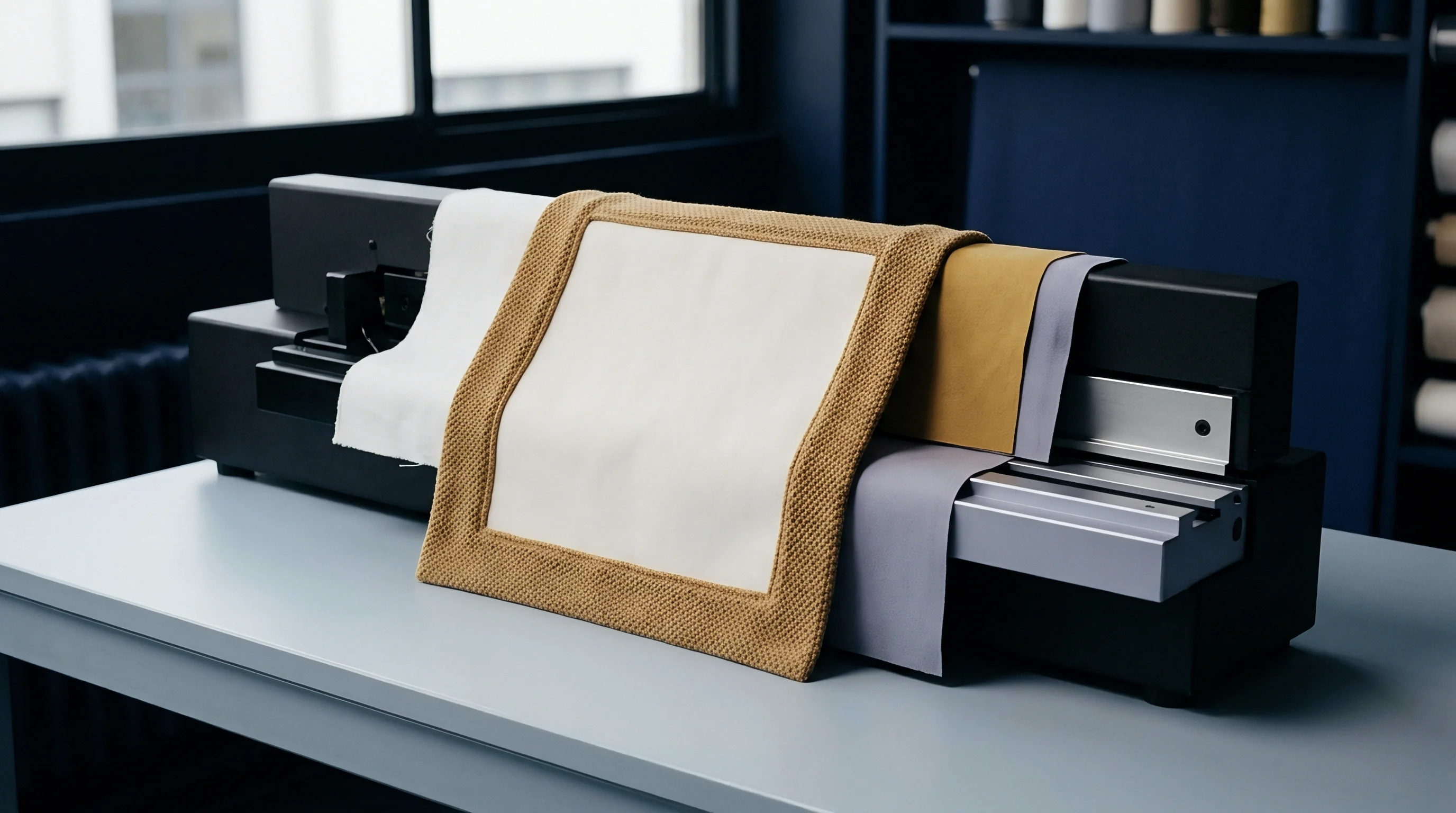
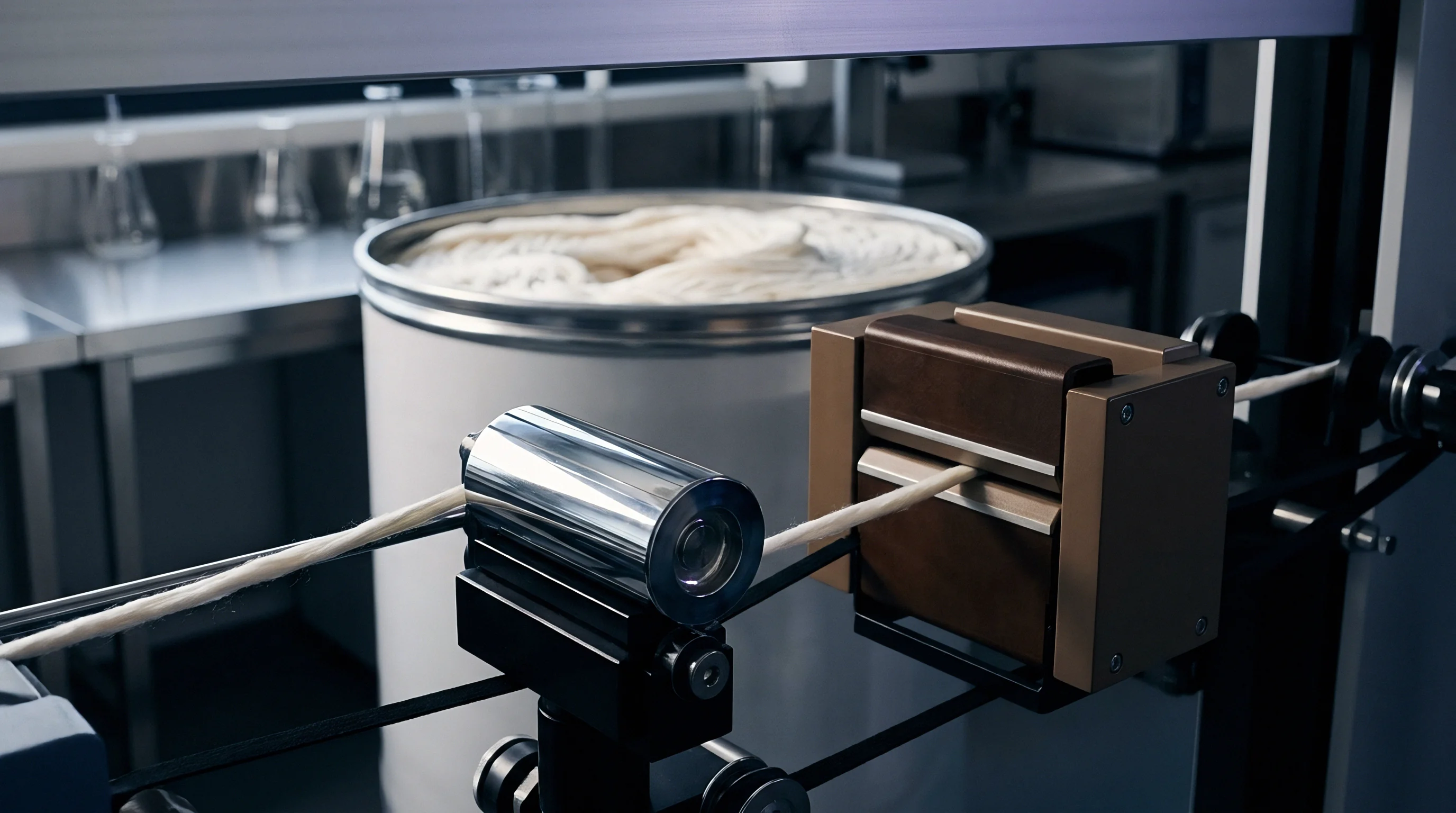
Water bath digestion of resin-finished fabric at forty degrees Celsius breaks weak ether bonds in dimethyloldihydroxyethyleneurea crosslinkers. Standard test methods like ISO 14184-1 measure free formaldehyde together with formaldehyde released through partial hydrolysis during sample preparation. The aqueous incubation process subjects the specimen to sixty minutes of thermal conditioning, causing N-methylol groups to cleave into free formaldehyde and parent urea derivatives.
High temperatures accelerate ether bond breakdown. The resulting laboratory value reflects both the unreacted chemical present on the unwashed grey mill batch and the labile chemical generated by warm water exposure.

Thermal Dynamics of N Methylol Bond Cleavage
Elevated temperatures during specimen conditioning drive equilibrium toward unreacted precursors. When durable press finishes, easy-care resins, or reactant fixatives contain etherified dimethyloldihydroxyethyleneurea, water molecules act as nucleophiles at forty degrees Celsius. Hydrolysis occurs rapidly under slightly acidic conditions, which often develop when residual acid catalysts remain un-neutralized on the cotton substrate.
A test duration of one hour liberates formaldehyde that was structurally bound when the fabric rested in the container. Cold water rinses remove minimal bound resin.
Unmodified melamine-formaldehyde and urea-formaldehyde resins present extreme susceptibility to hydrolytic breakdown during testing. Etherified variants utilizing methanol or diethyleneglycol offer improved stability, yet still release detectable formaldehyde fractions during the warm bath cycle. Laboratories controlling incubation baths within tight tolerances of plus or minus two degrees Celsius report coefficient of variation metrics under five percent.
Fluctuations exceeding forty-two degrees Celsius induce secondary cleavage of methylene bridges, artificially inflating reported values by twenty to forty percent above true free formaldehyde concentrations.
Is Hydrolytic Cleavage Inevitable during Warm Water Bath Digestion?
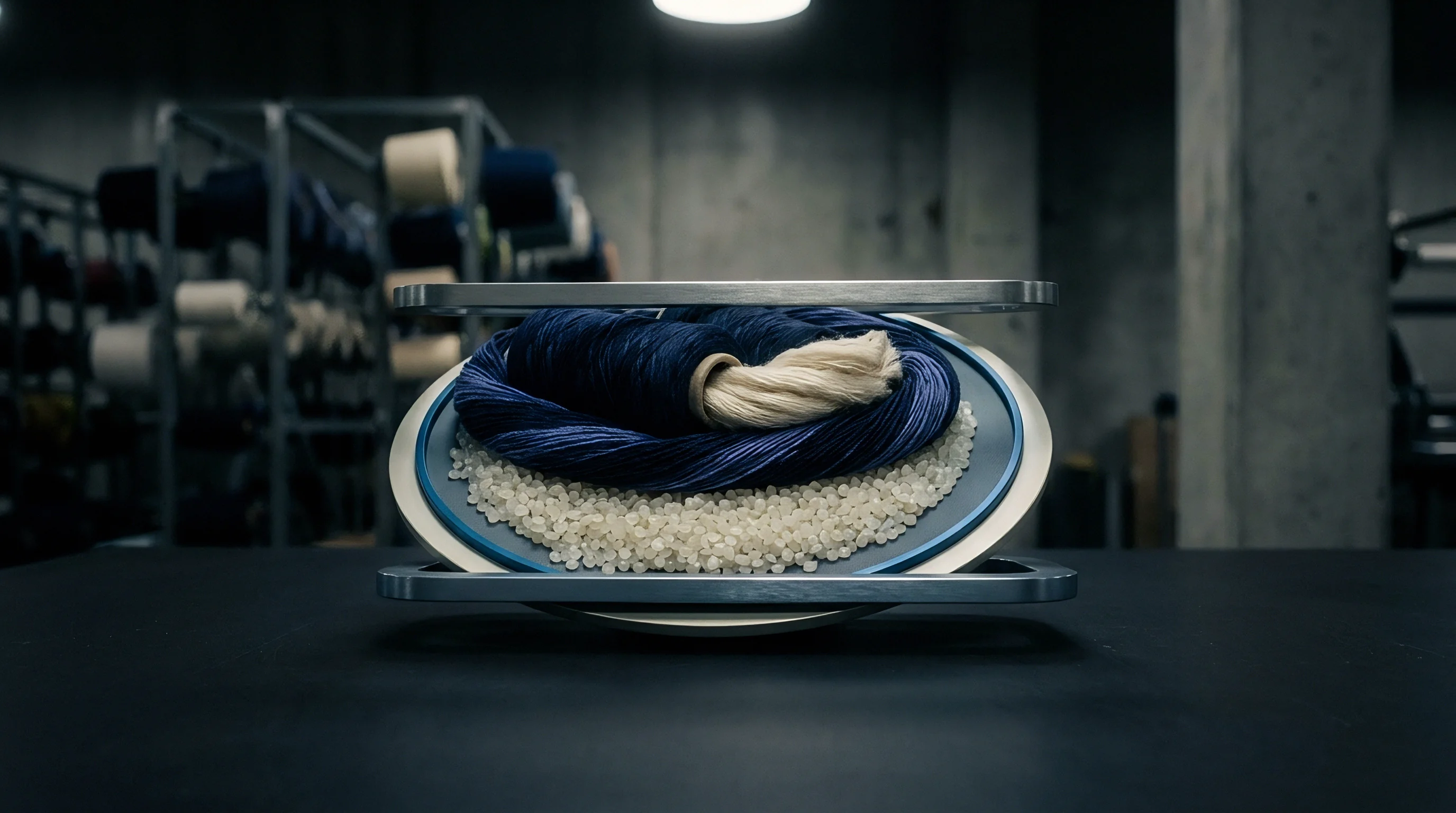
Maintaining strict temperature boundaries at forty degrees Celsius minimizes the decomposition of modified glyoxal reactants. Specimen ratio parameters specified in standard test protocols dictate one gram of fabric per one hundred milliliters of grade one water. Deviating from this liquid-to-cloth ratio alters the mass-action equilibrium of the hydrolysis reaction.
Dilute liquor ratios accelerate crosslinker cleavage by favoring the forward dissociation pathway, whereas concentrated ratios depress total measured analyte concentration through solubility saturation limits.
A sealed incubation vessel prevents the escape of volatile aldehydes before spectrophotometric measurement.
- Cut specimen swatches into small fragments measuring approximately five millimeters square.
- Suspend test specimens in grade one water within a closed Erlenmeyer flask.
- Agitate the sealed vessel in a temperature-controlled bath at forty degrees Celsius for sixty minutes.
- Filter the liquid supernatant immediately through a glass fiber membrane to arrest solids transfer.
Temperature fluctuations corrupt reaction equilibrium. Mills that supply resin-treated fabrics without complete curing cycles face severe analytical over-reporting. Unreacted N-methylol methyl ether groups undergo rapid hydrolytic conversion during water extraction, turning a compliant fabric batch into a non-compliant import dossier at the destination port laboratory.
Interference
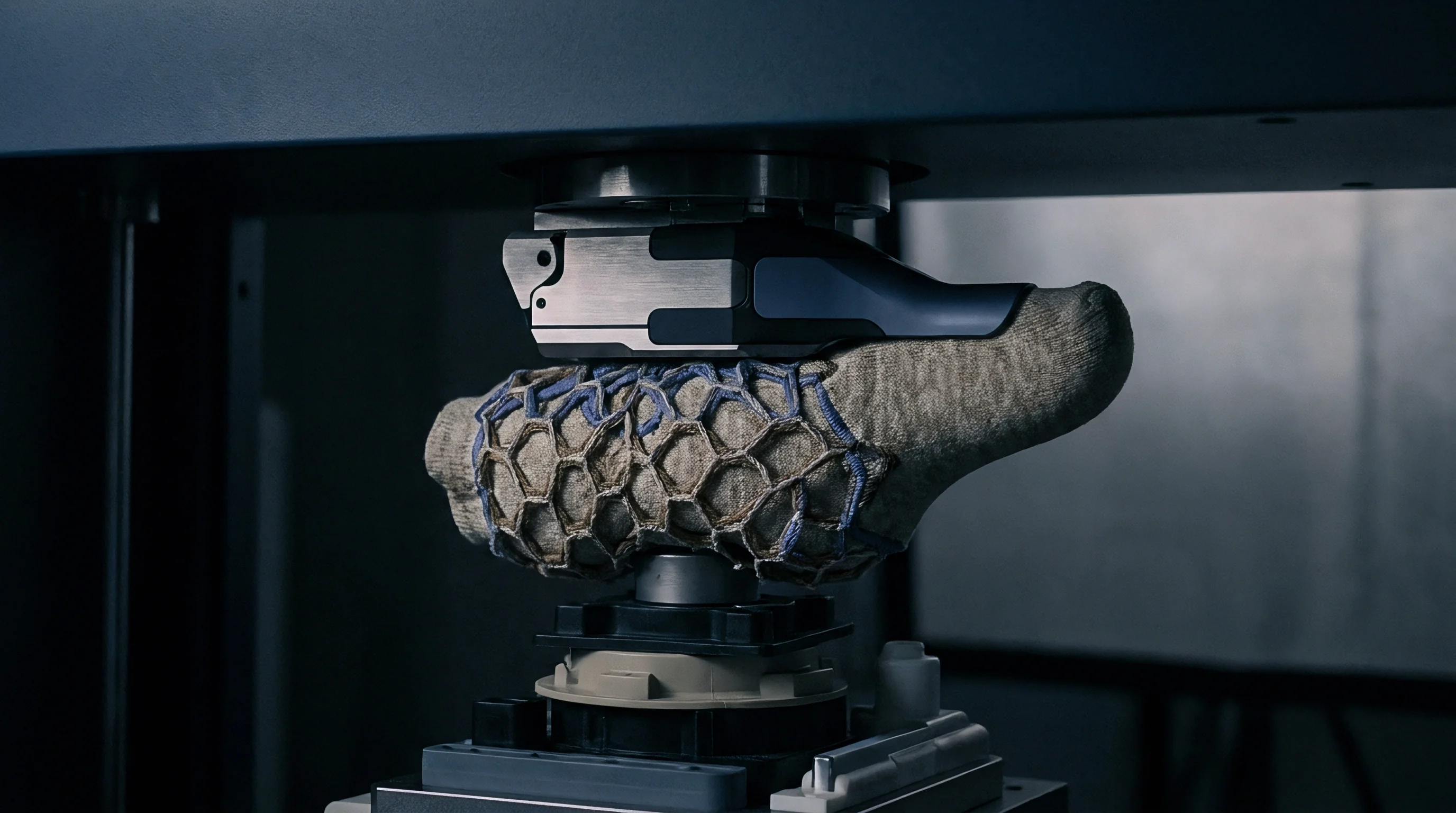
Dyestuff migration into the liquid phase introduces baseline optical density at target absorption points. Colorants leaching from sulfur-dyed, direct-dyed, or reactive-dyed cotton swatches absorb light directly at four hundred twelve nanometers, which is the exact analytical absorption peak of 3,5-diacetyl-1,4-dihydrolutidine formed by the Nash reagent reaction. Without rigorous baseline blanking, background color absorption masks true analyte peaks.
Spectrophotometric methods suffer from matrix interferences. Direct absorbance measurements convert background dyestuff color into calculated formaldehyde concentrations, yielding false positive findings on clean goods.
Spectral Overlaps from Migrating Dyestuffs
Unbound colorants leech into aqueous solutions during incubation, raising optical absorbances across visible wavelengths. Direct yellow, disperse orange, and brown reactive dyes exhibit significant spectral overlapping in the four hundred to four hundred thirty nanometer range. Dyestuff leaching distorts light transmission readings.
When testing deeply shade-intensive textiles, the optical density of the unreacted extract solution can exceed 0.2 units before reagent addition. Subtracting a simple water blank fails to resolve this interference because dyestuff concentration increases progressively throughout the sixty-minute warm extraction period.
Turbid aqueous solutions falsely elevate absorbance values by scattering light across the detector path. Micro-fibers, lint particles, and insoluble finishing auxiliaries suspended in the supernatant scatter light at four hundred twelve nanometers. Micro-filtration through a 0.45-micron polytetrafluoroethylene disk removes particulate turbidity, but fails to remove soluble dyestuffs or dissolved organic cross-reactants.
Co-extracted aldehydes, including acetaldehyde, propionaldehyde, and furfural originating from hydrolyzed starch sizing agents, react with acetylacetone to form lutidine homologues with shifted absorption maxima that still overlap the target band.

Dimedone Precipitation for Target Speciation
Adding a cyclohexanedione derivative selectively binds free formaldehyde to form an insoluble complex, isolating background color absorbances. ISO 14184-1 Annex A specifies 5,5-dimethyl-1,3-cyclohexanedione, commonly known as dimedone, to confirm whether spectrophotometric signals stem from formaldehyde or optical interferences. Dimedone reacts specifically with formaldehyde at neutral pH to yield formaldemidone, which precipitates out of solution.
Measuring the residual absorption of the extract after dimedone precipitation establishes the exact optical density attributable to background dye bleed and co-extracted colorants.
Turbid aqueous solutions falsely elevate absorbance values by scattering light across the detector path.
| Interference Source | Wavelength Impact | False Positive Shift | Mitigation Method |
|---|---|---|---|
Background color absorption masks true analyte peaks. Finishing mills frequently argue that high spectrophotometric readings represent harmless dye bleed rather than hazardous chemical crosslinkers. Laboratory analysts settle this dispute by executing dimedone precipitation sequences, proving whether optical density remains after removing the specific aldehyde derivative.

Wavelength
Absorbance peaks for 3,5-diacetyl-1,4-dihydrolutidine center precisely at four hundred twelve nanometers. Spectrophotometric quantification relies on the Hantzsch reaction, where acetylacetone and ammonium acetate combine with extracted formaldehyde in a buffered medium at pH 6.0. Spectral alignment requires spectrophotometer calibration using certified formaldehyde stock solutions standardized via iodometric titration.
The Beer-Lambert law governs linear response up to five milligrams of formaldehyde per liter of reagent solution, corresponding to a fabric concentration of five hundred milligrams per kilogram under standard dilution ratios.
Calibration Rigor and Absorbance Limits
Standard curves prepared from freshly standardized stock solutions establish the linear response range. Stock formaldehyde solutions degrade over time through polymerization into paraformaldehyde or oxidation to formic acid. Re-standardizing primary calibration standards every week prevents systematic drift in calculated slope factors.
Calibration blanks require pristine solvent purity. Spectrophotometer cell path lengths of ten millimeters demand quartz or high-clarity optical glass cuvettes; plastic cuvettes displaying minor surface scratching scatter monochromatic light, distorting baseline absorbance calculations near the limit of quantitation.
The practical limit of quantitation for ISO 14184-1 water extraction sits at sixteen milligrams per kilogram. Values reported below sixteen milligrams per kilogram carry expanded uncertainty bounds exceeding thirty percent due to signal-to-noise limitations of basic benchtop spectrophotometers. Calibration curves must incorporate at least five calibration points spanning the operational concentration range, maintaining a coefficient of determination of at least 0.999 before sample extract spectrophotometry proceeds.
Regulatory Threshold Alignment across Product Classes
Infant apparel specifications enforce limits at sixteen milligrams per kilogram, demanding pristine baseline resolution. Standards such as OEKO-TEX STANDARD 100 Class I mandate non-detectable or sub-16 mg/kg levels for items intended for babies and toddlers up to thirty-six months. Class II requirements for apparel in direct skin contact impose a maximum limit of seventy-five milligrams per kilogram, matching the statutory restriction under EU REACH Regulation Annex XVII Entry 72.
Class III items without direct skin contact, such as outerwear jacket linings, permit concentrations up to three hundred milligrams per kilogram.
Shipments containing apparel intended for direct skin contact face customs rejection when aqueous extract readings exceed seventy-five milligrams per kilogram.
| Product Class | Regulatory / Scheme Standard | Test Method | Max Formaldehyde Concentration |
|---|---|---|---|
Spectral overlap creates false positive signals. When spectrophotometric absorbance values fall within ten percent of compliance thresholds, chemical testing protocols dictate immediate confirmation using chromatographic separation. High temperatures accelerate ether bond breakdown, making exact temperature maintenance during extraction equal in importance to accurate spectrophotometric wavelength alignment.


Chromatography
Liquid separation techniques paired with diode array detection resolve complex aldehyde mixtures without optical overlap. ISO 17226-1 defines the reference analytical procedure utilizing high performance liquid chromatography with 2,4-dinitrophenylhydrazine derivatization. Reaction of extracted formaldehyde with acidic dinitrophenylhydrazine yields formaldehyde-2,4-dinitrophenylhydrazone, a stable compound exhibiting intense ultraviolet absorption at three hundred fifty-five nanometers.
Chromatographic separation isolates specific aldehyde peaks, removing background color interferences, optical brightener signals, and co-extracted matrix compounds that corrupt basic spectrophotometric readings.
Derivatization Dynamics Using Dinitrophenylhydrazine
Acidified carbonyl reagents form stable hydrazone complexes that eliminate matrix optical interferences. The derivatization step occurs rapidly at room temperature upon mixing aqueous textile extracts with acetonitrile solutions of dinitrophenylhydrazine containing phosphoric acid. The resulting hydrazone derivatives undergo hydrophobic retention on reversed-phase C18 stationary phases.
Gradient elution using acetonitrile and water mobile phases separates formaldehyde hydrazone from acetaldehyde, acrolein, propionaldehyde, and butyraldehyde hydrazone peaks within a twelve-minute run time.
Unlike Nash reagent spectrophotometry, liquid chromatography measures the hydrazone complex at wavelengths where native dyestuffs show minimal absorption. Diode array detectors record full spectral profiles between two hundred and five hundred nanometers, allowing analysts to verify peak purity by comparing ultraviolet spectrum signatures across the leading, apex, and trailing edges of the formaldehyde hydrazone elution peak. Chromatographic separation isolates specific aldehyde peaks.

Resolution of Co-Eluting Aldehyde Species
Reversely-phased non-polar columns isolate individual aliphatic compounds prior to spectrophotometric quantification. Textile finishes containing modified starches, polyglycol softeners, or wet-strength additives frequently release secondary volatile aldehydes. In acetylacetone spectrophotometry, these secondary aldehydes react to form lutidine analogues that absorb broadly around four hundred twelve nanometers, generating false positive formaldehyde detections.
Liquid chromatography physically separates formaldehyde hydrazone (retention time approximately 4.2 minutes) from acetaldehyde hydrazone (retention time approximately 5.8 minutes), preventing quantification errors.
High performance liquid separation isolates formaldehyde hydrazone peaks at three hundred sixty nanometers with a quantitation limit of five milligrams per kilogram.
- Incomplete derivatization kinetics occurring when acidic reagent strength drops below designated concentration levels during sample reaction.
- Column degradation from dye retention causing progressive retention time shifts across extended analytical sequences.
- Hydrazone degradation under ambient light altering peak area calibration factors during prolonged autosampler tray hold times.
Acidic conditions hydrolyze crosslinked resin matrices. Is it possible that low-pH dinitrophenylhydrazine derivatization reagents induce secondary hydrolytic cleavage of labile N-methylol finishes during the liquid chromatography preparation phase?

Dossier
Compliance records presented at import clearance dictate whether shipments bypass quarantine holds. When customs authorities pull verification samples at destination ports, national accreditation frameworks require laboratories to hold complete traceability files. A compliant dossier includes raw spectrophotometric absorbance spectra, dimedone correction calculations, water bath temperature logs, and calibration curve verification records.
Relying solely on a summary test report without underlying spectral baseline data leaves importers vulnerable during formal audit inquiries under REACH Annex XVII enforcement protocols.

Contractual Retest Protocols and Analytical Arbitration
Purchase specifications mandating reference HPLC methods protect mills from arbitrary batch rejections caused by dye leaching. Standard purchase orders in cross-border textile sourcing specify ISO 14184-1 as the primary screening method, while establishing ISO 17226-1 high performance liquid chromatography as the binding arbitration method for dispute resolution. If a screening test indicates seventy-eight milligrams per kilogram on a direct-dyed cotton fabric intended for direct skin contact, the importer immediately requests secondary liquid chromatography testing.
Secondary testing confirms true regulatory compliance.
Analytical arbitration protocols establish specific tolerances for method variance. When spectrophotometric screening yields non-compliant findings, dimedone baseline correction or liquid chromatography derivatization frequently reveals that true formaldehyde concentration sits at forty-two milligrams per kilogram, well below the statutory seventy-five milligram limit. Unbound finish chemicals elevate apparent formaldehyde values.
Retest clauses allocate secondary verification costs based on method outcomes.

Commercial Risk Exposure in Border Clearance
Market surveillance enforcement authorities pull random swatches, testing via accredited liquid separation procedures. Importers of record carry full civil legal liability for non-compliant consumer articles under consumer safety protection acts. Border detentions incur storage charges, demurrage fees, analytical re-testing costs, and potential inventory destruction orders.
Establishing batch-level conformity evidence prior to vessel loading requires cutting representative swatches from both ends and the middle of finished fabric rolls.
- Baseline color correction verification requiring a dedicated dimedone precipitation blank for any dyed specimen yielding results above ten milligrams per kilogram.
- Method cross-validation protocol stipulating immediate secondary testing via liquid chromatography when spectrophotometric values fall within twenty percent of regulatory thresholds.
- Incubation temperature logging demanding calibrated sensor records to confirm sample bath stability within specified thermal tolerances.
- Batch sampling depth specification mandating core roll cuts across multiple production positions rather than edge swatches alone.
| Analytical Method | Primary Risk Vector | Retest Unit Cost | Border Impact Level |
|---|---|---|---|
False positive results trigger costly container holds. Purchase Order Section 8.4 assigns all laboratory verification fees and port demurrage costs directly to the finishing mill whenever secondary chromatographic testing confirms free aldehyde content below regulatory limits.