
Bayesian Modeling of Multi-Layer Polymer Migration in Coated Fabrics
Bayesian migration models convert lab extraction data into posterior failure probabilities, letting buyers price compliance risks and catch batch non-conformity.
Bayesian migration models convert lab extraction data into posterior failure probabilities, letting buyers price compliance risks and catch batch non-conformity.

ISO 3071 specifies 0.1 mol/L KCl extraction at a 20:1 ratio to measure textile surface ion exchange and prevent false compliance readings.

Rapid formaldehyde headspace screening requires chromatographic verification to eliminate false positives caused by volatile matrix interferences and solvent vapors.
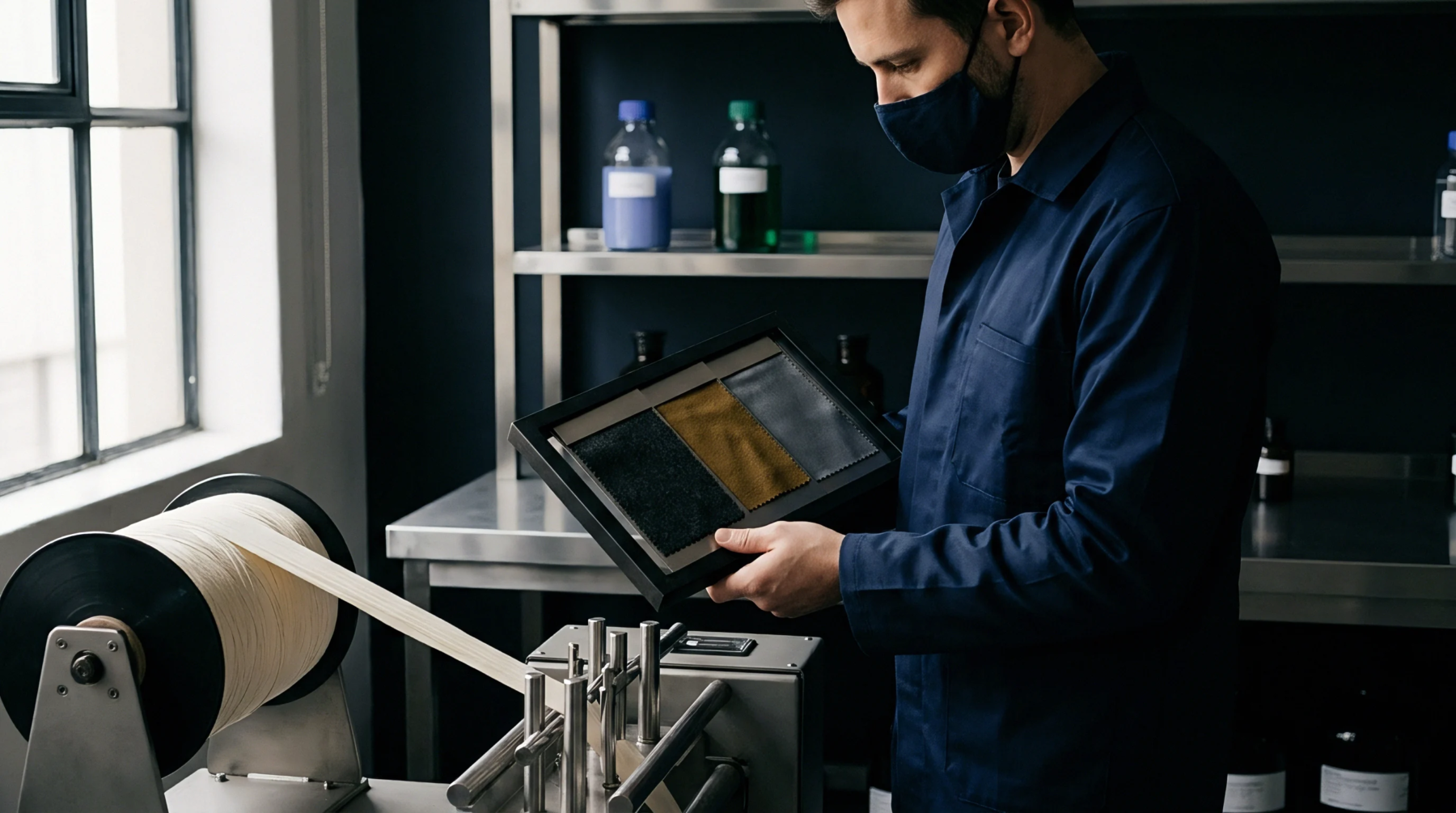
Contractual verification limits for repeat textile shipments require defined testing frequencies, standardized extraction methods, and explicit action thresholds.

Polyurethane matrix desorption kinetics require late-zone temperatures above polymer glass transition points to clear bound polar aprotic solvents below legal REACH limits.

Verify coated fabric chemical compliance by demanding batch-specific ISO/IEC 17025 lab reports for DMFa and phthalates from roll core swatches before shipment release.

Verify APEO compliance by testing input chemical formulations via ISO 18218-1 LC-MS/MS at the mill kitchen rather than relying solely on fabric certificates.

Hierarchical Dirichlet Process models cluster dyehouse outgassing variance to isolate volatile chemical non-compliance before shipment release.

Verify textile compliance using lot-specific ISO 17025 test reports and valid transaction certificates matched directly to invoice numbers and batch weights.
Expertise is a utility, not a secret. sentiention™ publishes its working knowledge as open reference: intelligence layer covering the materials it sources, the markets it enters, and the reference that serves both.