Fluidic Twist Architecture
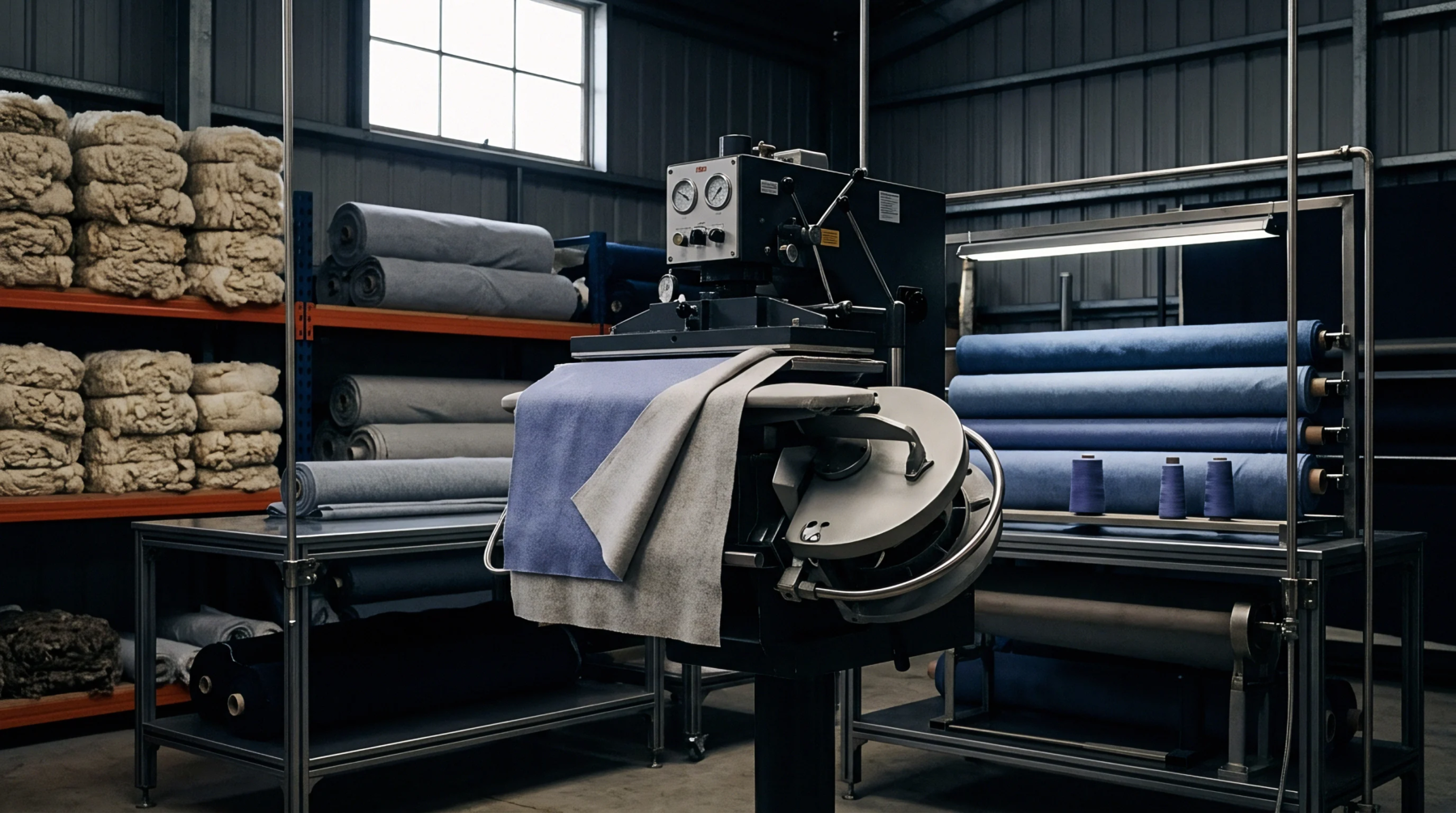
Air-jet vortex spinning operates as a specialized yarn formation system inside the modern textile mill by directing compressed air streams to create a high-speed rotational field around an advancing fibre assembly. Compressed air enters the stationary nozzle block tangentially, generating a swirling vortex that wraps peripheral fibres around a core of parallel strands without requiring a traditional mechanical spindle. This high-velocity pneumatic action twists staple materials in milliseconds, delivering high production speeds compared to ring or rotor spinning frames.
Commercial mills deploy the resulting yarn for knitted apparel and lightweight woven goods because the unique structure yields reduced pilling propensity and high laundering durability. The fluid dynamics within the nozzle assembly determine the exact twist level, separating the outer wrapper fibres from the interior core to control the hairiness and abrasion resistance of the final yarn package.
Air Jet Mechanics
Pneumatic pressure inside the spinning chamber acts directly on sliver fed from the carding or drawing frame, separating the material into individual strands before the vortex captures the loose ends. Compressed air delivery lines must maintain exact barometric consistency, because pressure drops alter the twist angle and cause weak spots along the continuous strand. Nozzle geometry dictates the vector of the swirling airflow, forcing the leading edge of each fibre bundle into a helical path while the trailing ends remain untwisted until the second nozzle stage completes the action.
Thermal Properties
Fabric weight and density parameters differ significantly from ringspun equivalents due to the distinct internal geometry created during pneumatic consolidation. Bulk yarn density remains higher, which reduces the trapped air volume within the finished textile structure and slightly alters the thermal insulation capacity of the resulting garment. Dye uptake during subsequent wet processing procedures also changes because the tightly bound wrapper fibres restrict dye liquor penetration into the interior core of the yarn, demanding modified chemical recipes in the dyeing house to achieve target shade depths.
Tensile Verification
Laboratory testing protocols require constant tension dynamometers to measure breaking strength and elongation percentages on sampled bobbins before the material is cleared for commercial weaving or knitting operations. Tensile performance depends heavily on the ratio of core fibres to wrapper fibres, meaning mills must check pneumatic pressure settings continuously to prevent batch failure during high-speed loom shedding. The final yarn strength remains lower than conventional ring-spun alternatives, restricting its deployment to applications where high mechanical stress is absent.