Production Mechanism
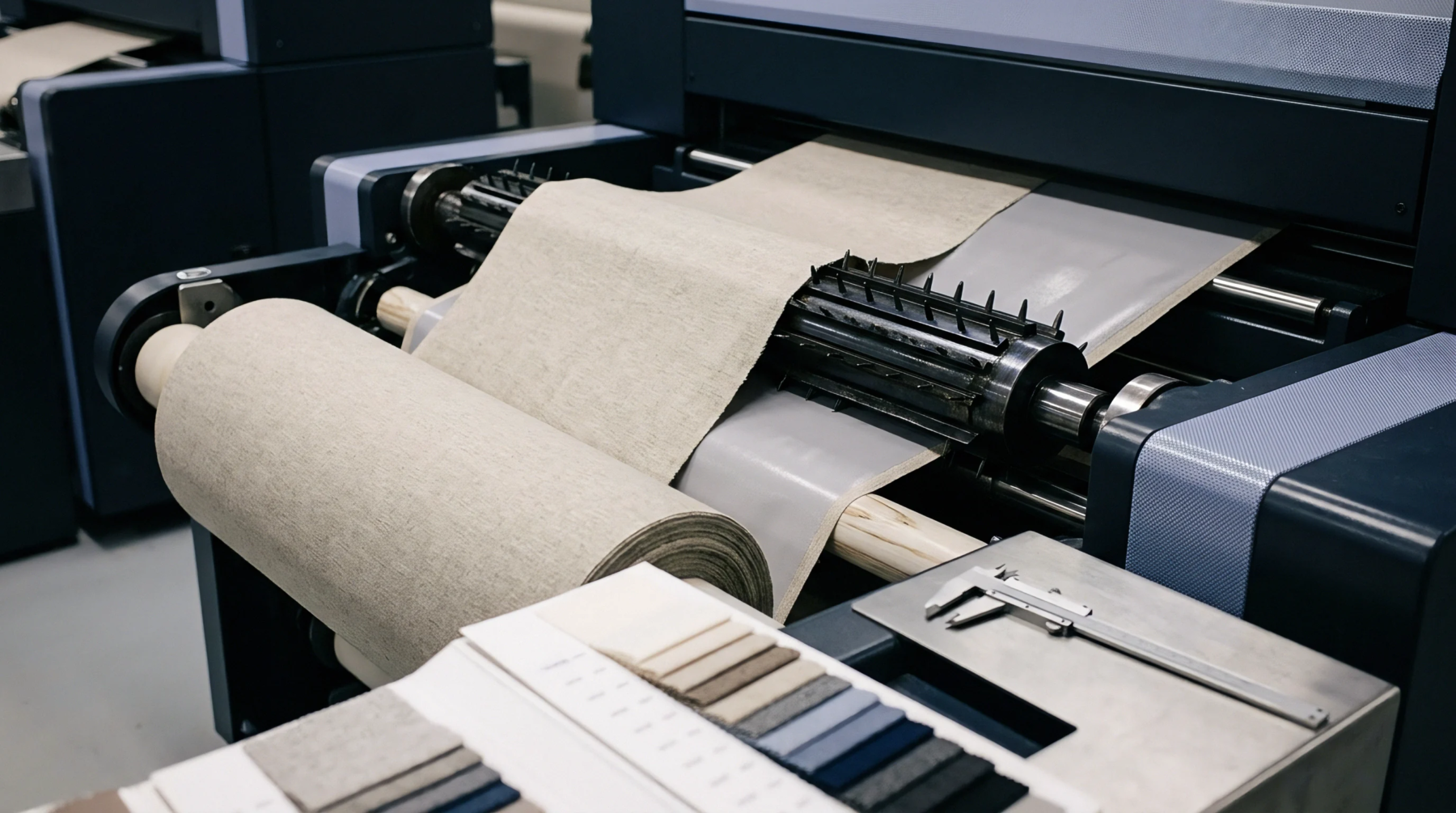
Aqueous pigment dispersion deposition stands as the method of applying localized colourant controlled by computer software through micro-nozzle ejection onto a moving textile substrate. Digital inkjet printing coordinates the spatial placement of these tiny droplets to construct high resolution imagery without the use of physical screens or engraved rollers. This process initiates with the digital file conversion into rasterized data that triggers the firing sequence of piezoelectric elements inside print heads.
Each nozzle oscillates to force precise volumes of ink from the reservoir onto the fibre surface at high speed. Precision during this stage dictates the clarity of the finished design and the registration of multicoloured patterns. The wetting speed of the ink on the fabric determines the sharpness of the printed edge definition.
If the droplet hits the fibre without sufficient containment, the ink wicks into the structure and reduces the visual contrast. Thermal or ultraviolet units fix the dyes to the substrate after the application phase to ensure permanence against mechanical wash testing.
Quality Verification
Precision testing follows the deposition to confirm that the pattern meets the specifications defined in the initial file. Technical inspectors utilize calibrated loupes to identify potential defects such as banding or missing nozzle lines in the print. Banding appears when the mechanical movement of the print head fails to align perfectly with the feed of the fabric across the platen.
Consistent tension on the fabric roll helps to mitigate these errors during high volume production runs. Inspectors reject material if the droplet placement results in visible white space between dots.
Operational Tradeoff
Speed parameters depend on the drying capacity of the print system rather than the raw output volume of the ink nozzles. Textile plants often slow the belt motion to allow for solvent evaporation before the fabric contacts the next set of rollers. Increased drying time prevents smearing of the wet ink.
Faster throughput reduces the time available for ink fixation which increases the risk of colour bleed. Printers manage these throughput variables by adjusting the droplet size to match the fabric porosity. Fine weave materials require smaller droplets to prevent excessive pooling on the surface.
Substrate Compatibility
Fabric pretreatment prepares the yarn surface to accept the liquid ink and hold the pigment in the intended position. Natural fibres such as cotton require a coating of sizing agents to control the spread of the dye. Synthetic materials like polyester demand specific formulations that bond with the hydrophobic surface of the filament.
These chemical layers prevent the liquid from migrating through the base cloth and losing intensity. Uniform application of this primer across the entire roll provides the consistent ground necessary for accurate colour reproduction. The chemistry of the fabric coating determines the lightfastness and wash durability of the final textile product.
Success in this application rests on the exact alignment of ink chemistry with the substrate treatment level.