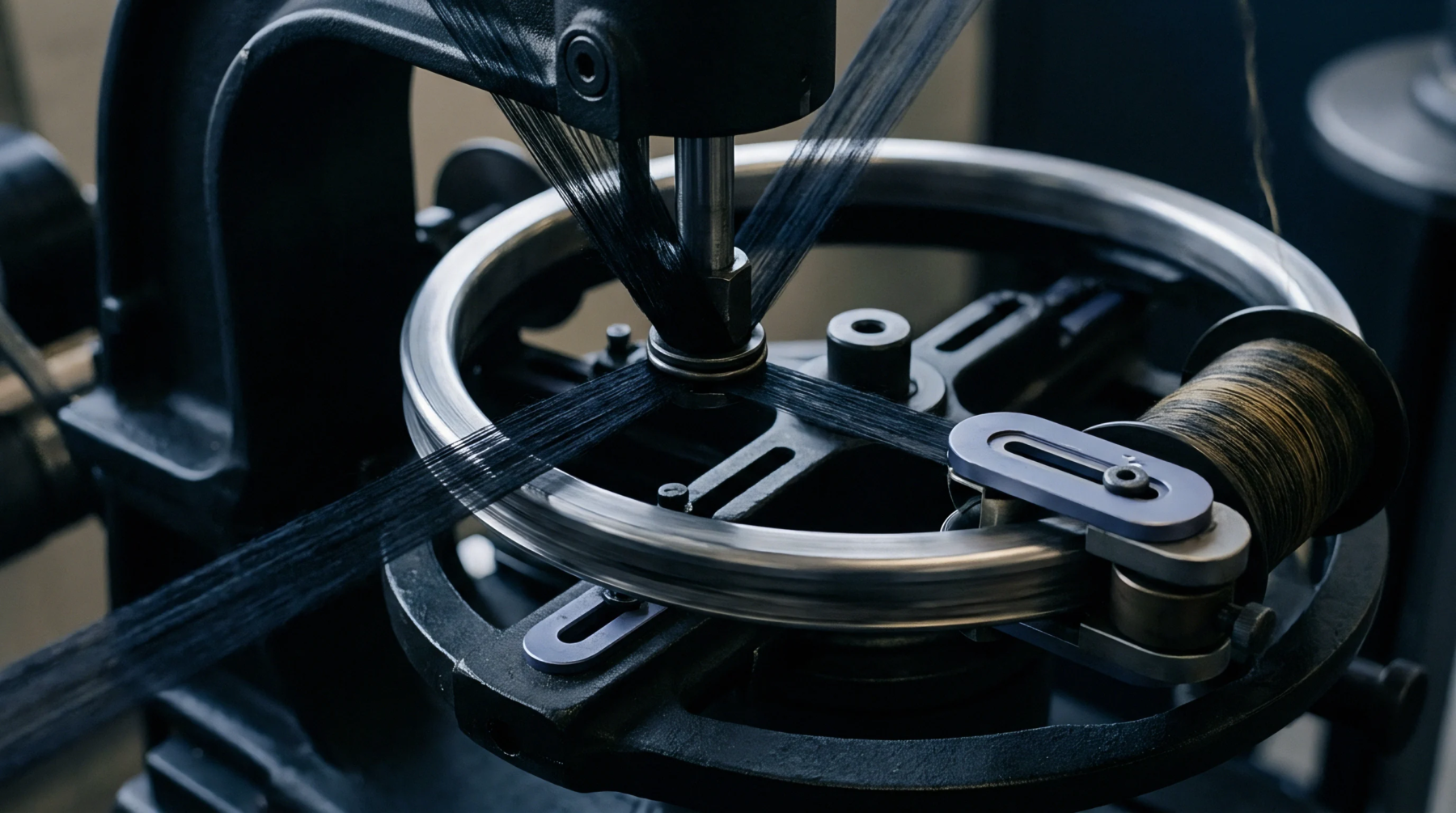
Mechanical Operation
Passing a wet fabric through high-pressure rollers removes excess liquid and distributes the remaining chemical solution evenly across the substrate. A precise pad mangle squeeze establishes the initial wet pick-up percentage before the fabric enters the drying and fixation stages. This operation defines the starting chemical concentration of the wet fabric.
System Mechanism
Pressure applied to the roller ends is transmitted to the fabric as it passes through the nip point between the rollers. This compression forces the dye liquor deep into the yarn structure, displacing air pockets and ensuring complete wetting of the fibres. Performing a balanced pad mangle squeeze prevents the accumulation of liquid on the fabric surface.
The squeeze must be uniform across the entire width of the rollers to avoid side-to-side variation in liquid content.
Operational Control
Calibrating the pneumatic or hydraulic pressure cylinders ensures consistent force is applied to both sides of the rollers. Operators inspect the wear of the rubber roller covers periodically because uneven roll surfaces distort the pad mangle squeeze. Standardized moisture meters test the fabric width at multiple points after the squeeze to confirm uniform pick-up.
Adjusting the fabric tension before entering the nip prevents creasing during the compression.
Process Constraint
Excessive pressure can damage delicate knit structures or cause yarn flattening that alters the final texture of the fabric. High-density fabrics may limit the speed of this operation because the tight weave resists liquid extraction.