Velocity Differential
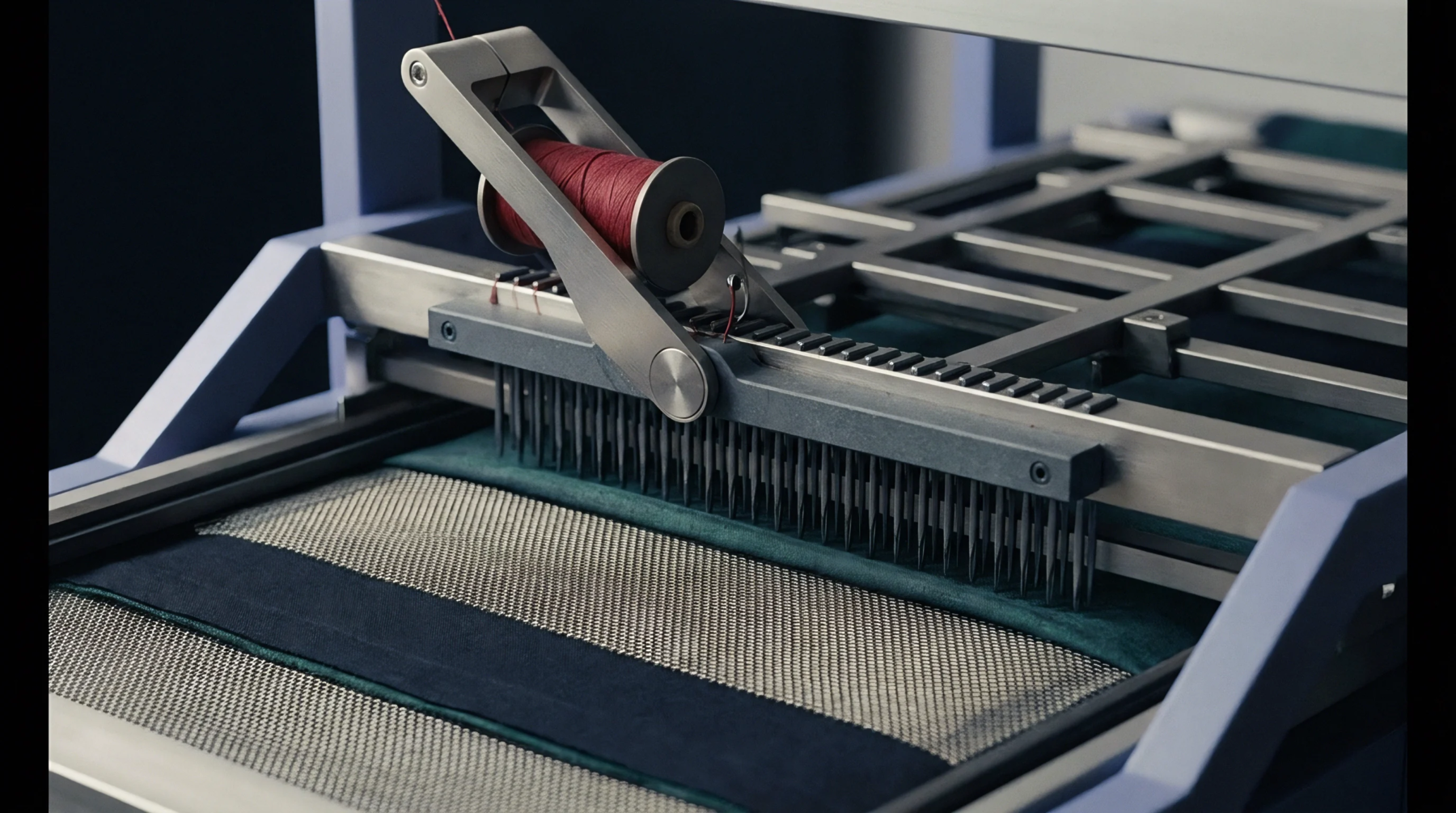
Mechanical velocity differential systems feed fabric onto conveyor pin chains at speeds exceeding chain travel speed during thermal drying. Machine operators adjust stenter frame overfeed control to induce controlled length relaxation and achieve target square meter fabric mass. The control mechanism stops operating when fabric is processed on clip chains that do not permit longitudinal wave feeding.
Pinning Mechanism
Driven overfeed rollers push excess fabric length onto chain pins, creating micro-waves between pin points across the fabric width. Hot air circulating inside drying chambers heats the relaxed fabric structure, allowing warp yarns to crimp and release internal tensions. Process engineers calibrate stenter frame overfeed control percentages between five and thirty percent based on greige contraction properties.
Precise speed synchronization prevents fabric slippage or selvedge tearing at entry points.
Contraction Balance
Longitudinal wave feeding allows warp threads to retract without mechanical restraint inside heating zones. Proper overfeed settings compensate for prior warp tension generated during weaving and wet processing.
Dimensional Stabilization
Controlled thermal relaxation during stenter drying determines post-wash dimensional stability in finished garments. Insufficient overfeed leaves residual warp tension that causes severe laundering shrinkage in commercial apparel. Plant managers rely on stenter frame overfeed control to hit specified fabric weight and width targets simultaneously.
Balanced heat setting ensures consistent fabric performance across bulk manufacturing lots.