Surface Cleaning
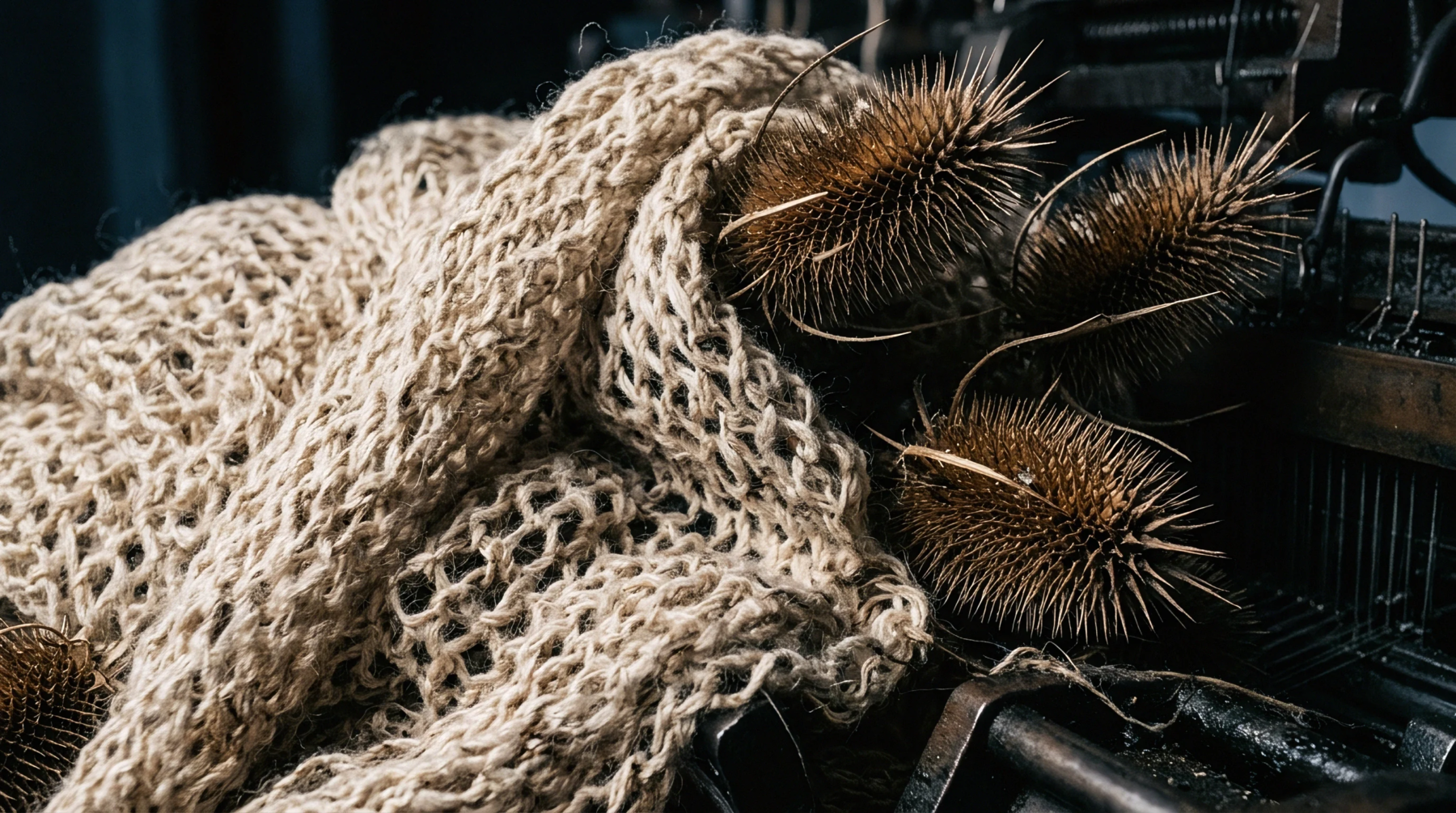
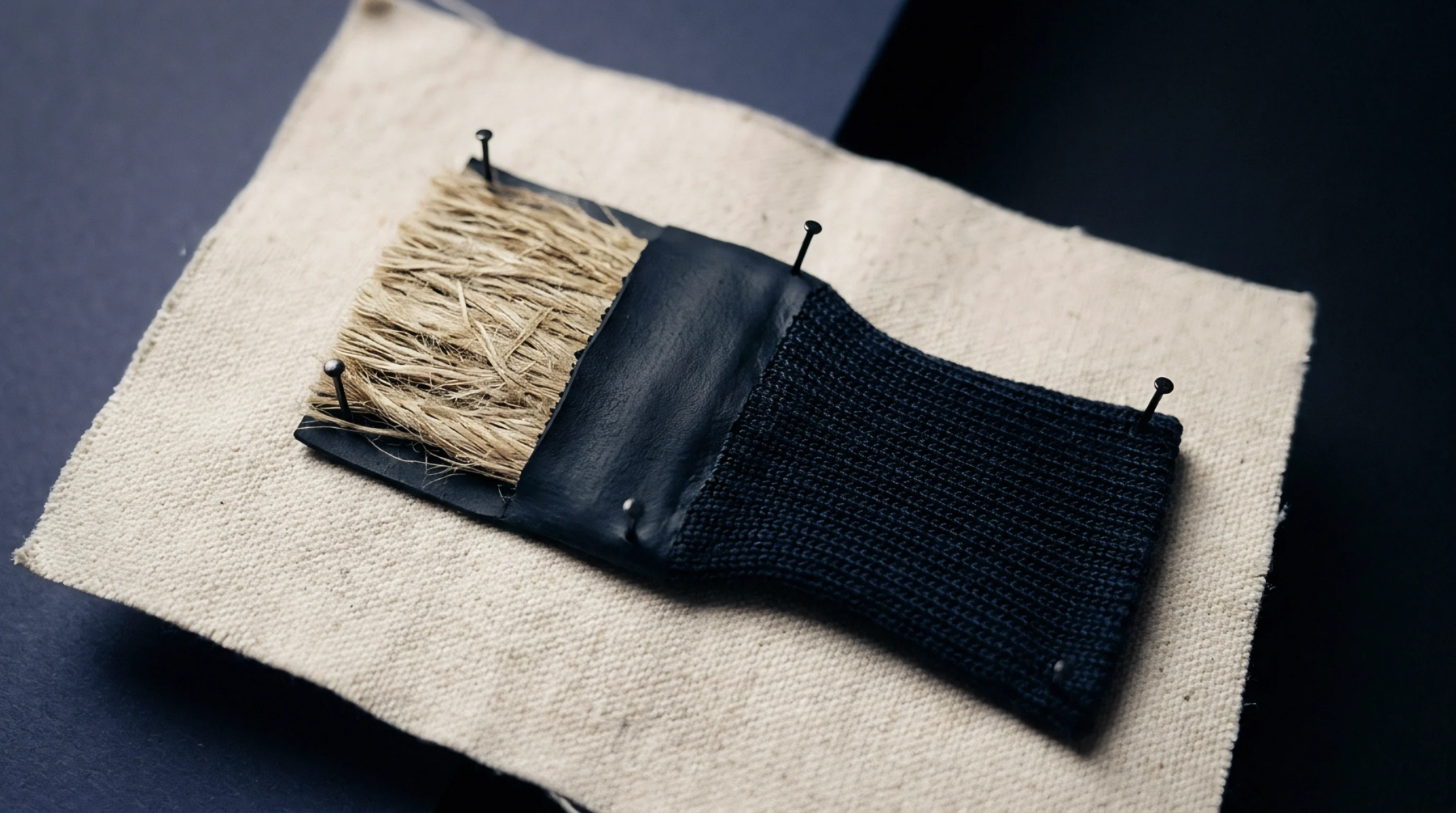
Removing oils, waxes, proteins, and pectins from the fiber surface prepares the fabric for subsequent dyeing and finishing. This tensionless scouring process utilizes chemical baths to break down impurities without applying longitudinal pull to the material. It is particularly important for knitted fabrics that are prone to distortion under stress.
Clean fibers allow for more even dye uptake.
Relaxed Processing
Mechanical systems such as conveyor belts or j-boxes support the fabric in a loose state. Tensionless scouring allows the yarns to find their natural equilibrium by avoiding the stretching found in traditional methods. This lack of constraint prevents the buildup of internal stresses that lead to shrinkage later in the garment’s life.
Dimensional Stability
Finished goods retain their shape more effectively when the initial cleaning is performed in a relaxed environment. The tensionless scouring method minimizes the elongation of the loops in a knit structure. This results in a fabric with a softer hand and a more consistent weight per square meter.
It reduces the occurrence of spirality in tubular knits.
Chemical Efficiency
Effective penetration of the scouring liquor is achieved through agitation and temperature control. High quality tensionless scouring ensures that the wetting agents reach every part of the fiber bundle to dissolve fats and vegetable matter. This thorough cleaning prevents the formation of resist spots during the dyeing phase.
Precise control of the dwell time inside the machine is necessary to avoid overprocessing. It optimizes the consumption of surfactants in the bleach range.