Industrial Sequence
Aqueous chemical and physical transformation cycles convert raw greige fibers, yarns and fabrics into finished commercial textile materials. Textile wet processing encompasses the sequential stages of desizing, scouring, bleaching, mercerizing, dyeing, printing and functional chemical finishing. The operational domain of this manufacturing sector applies to wet chemical operations conducted in aqueous and solvent media, ending at dry mechanical manufacturing processes such as yarn spinning, knitting, weaving and garment cutting.
Aqueous Conversion
Greige goods contain natural impurities, warp sizing agents, knitting oils and spinning lubricants that inhibit chemical absorbency and dye uptake. Textile wet processing removes these non-cellulosic and non-synthetic residues through preparatory scouring and bleaching sequences. Once substrates achieve uniform hydrophilicity, continuous or batch processing ranges introduce dyestuffs, pigments and functional finishes onto the fiber matrix.
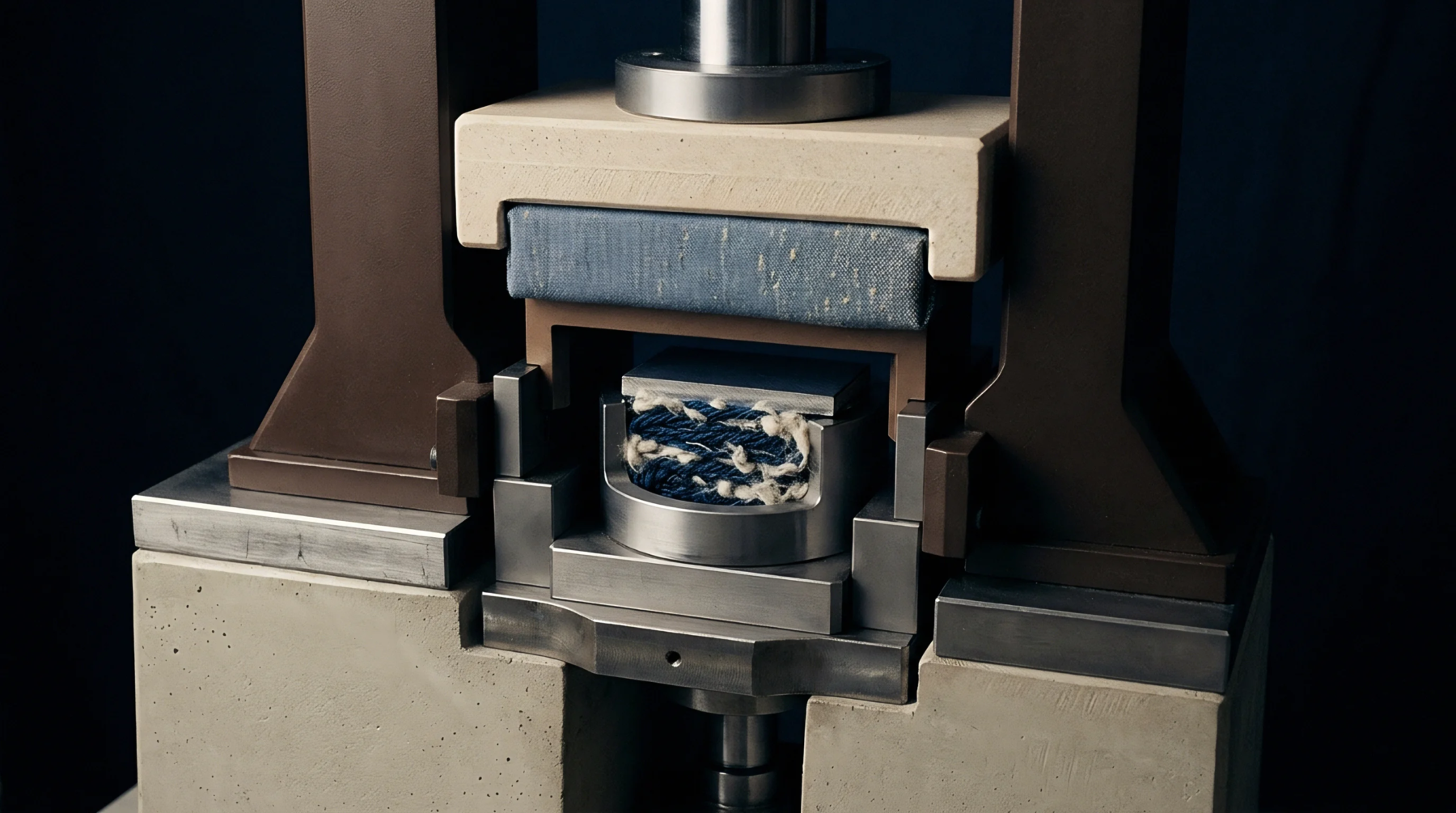
Reactive, disperse, vat and acid dyes undergo thermal fixation to form stable ionic, covalent or physical bonds inside the polymer structure. Following coloration, finishing mangles apply softeners, flame retardants, water repellents and antimicrobial agents to achieve specific performance attributes. Squeezing padders, stenter drying frames and curing ovens control chemical pick-up and thermal crosslinking.
Process automation coordinates bath temperature, liquor flow rate and dwell time across continuous ranges.
Quality Control
In-line testing and continuous monitoring systems verify process stability across every stage of the wet finishing route. Technicians audit bath pH, specific gravity, chemical feed rates and fabric moisture content before goods proceed to downstream stations. Incomplete preparation during early stages causes permanent dyeing defects, unlevel shading and finish spot rejections in finished yardage.
Effluent Discharge
Industrial wet processing generates significant wastewater streams containing residual dyestuffs, chemical auxiliaries, alkaline salts and suspended solids. Modern manufacturing facilities incorporate automated wastewater treatment plants, biological digesters and membrane filtration systems to reclaim processing water and meet environmental discharge regulations. Final product acceptance requires compliance with restricted substance lists and consumer safety standards.