Tensile Measurement
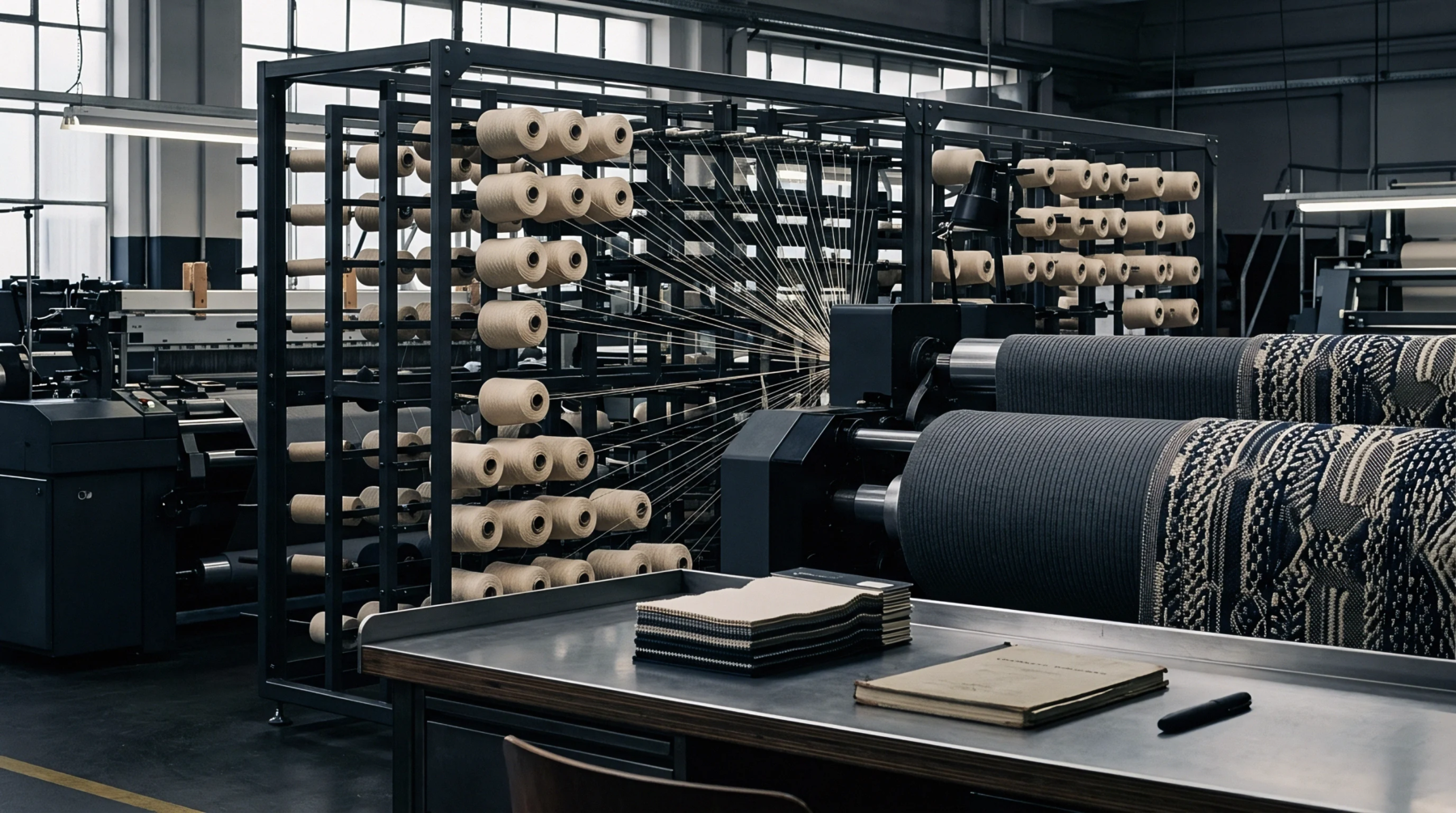
Material strain testing measures the fractional extension experienced by longitudinal yarns when subjected to tensile force along the fabric length. In textile physical testing, warp elongation indicates the percentage stretch of a woven fabric in its warp direction prior to rupture or under specified working loads. Standard strip or grab tensile methods record this property using constant-rate-of-extension testing machines.
Crimp Interchange
Crimp removal dominates the initial phase of length extension when warp threads uncrimp and transfer wave amplitude to weft threads. Straightening of longitudinal yarns occurs before actual fiber stretching begins inside the yarn bundle. High warp elongation values often stem from excessive warp crimp percentage introduced during shedding and beat-up operations on the loom.
Weaving Tension
High warp tension applied during sizing and weaving reduces residual stretch capacity in finished greige fabric. Excessive machine tension pulls warp yarns taut, leaving minimal crimp for subsequent extension. Controlling sizing stretch helps mills optimize warp elongation targets needed for downstream apparel moulding or industrial belt manufacturing.
Garment Stability
Fabric dimensional stability during garment pressing and wear depends upon controlled longitudinal stretch characteristics. Mismatched stretch properties between warp and weft produce seam puckering in tailored clothing. Specifying exact warp elongation tolerances prevents fabric sag in trousers and structural distortion in upholstery.