Rubbing Friction
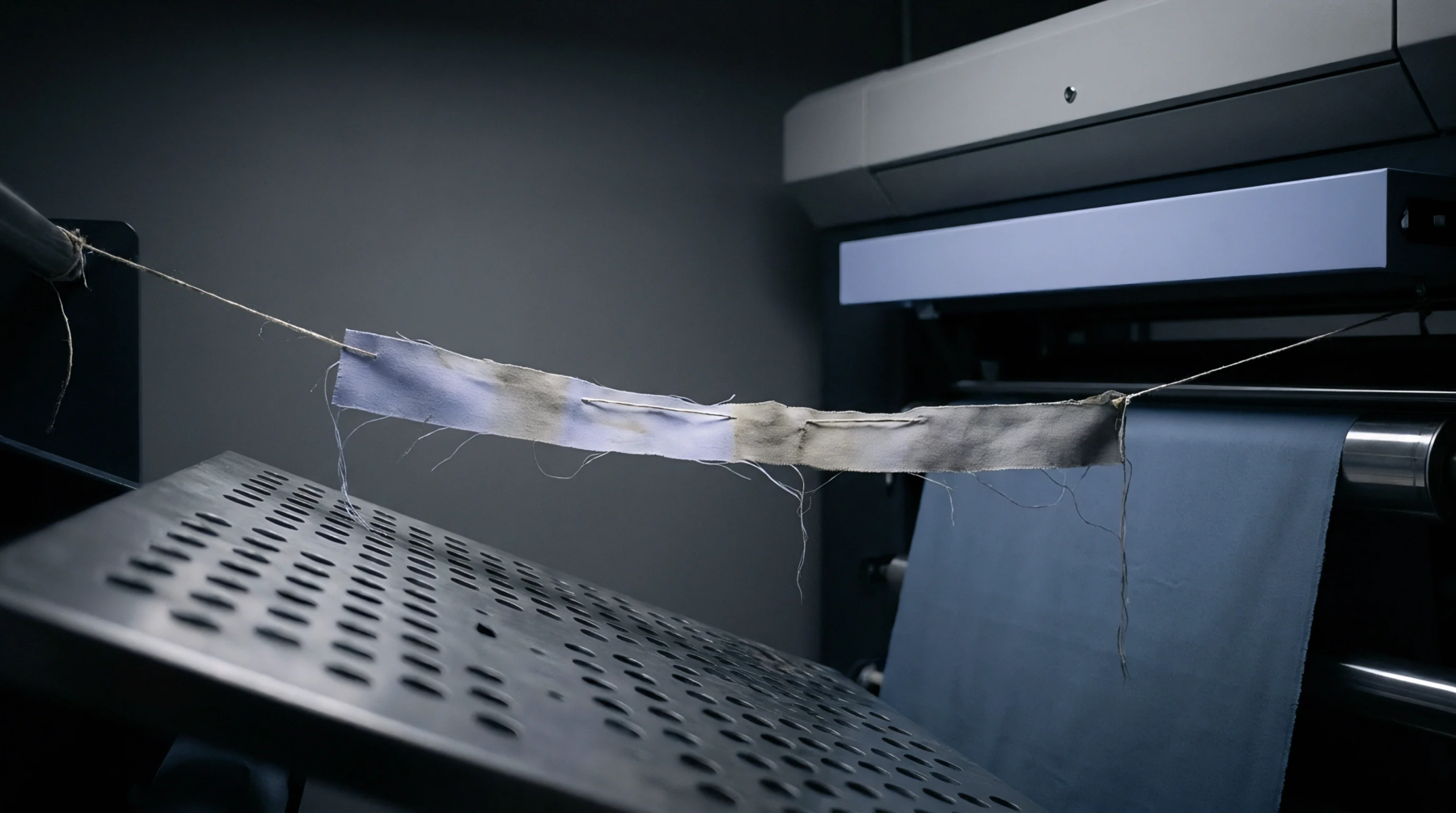
Rubbing endurance testing includes measuring the transfer of color from a wet textile surface to an undyed cotton cloth during mechanical agitation. The level of wet crock fastness determines whether a dyed fabric will bleed color when rubbed under humid conditions. This measurement represents a primary quality gate for global apparel brands.
Laboratory Evaluation
Testing utilizing a crockmeter applies a standardized pressure and rub cycle with a wet cotton square over the test specimen. The degree of color transfer is then evaluated against a standardized gray scale for staining to assign a numerical rating from one to five. A lower rating indicates significant dye transfer, which typically results in the rejection of the fabric lot because of the risk of consumer complaints.
Material Influence
Fabric composition and dye choice heavily influence the resulting color fastness when moisture is present on the surface. Wet cotton fibers swell and increase surface friction, which enhances the mechanical stripping of unfixed dye molecules from the printed fabric. In contrast, synthetic fibers like polyester typically exhibit much higher resistance to this mechanical transfer because their surfaces remain hydrophobic during the test.
Production Remedy
Improving the performance of the fabric requires thorough after-scouring to remove all traces of loose, unfixed dye from the fiber surface. Adding specialized fixing agents or softeners during the finishing stage can also reduce friction and lock the remaining dye molecules in place. Mills must optimize these washing and finishing parameters to ensure that every production batch complies with the brand requirements before shipment, preventing the high cost of bulk rejections, processing delays, and subsequent commercial disputes between the clothing manufacturer and the dyehouse.