Core Extraction
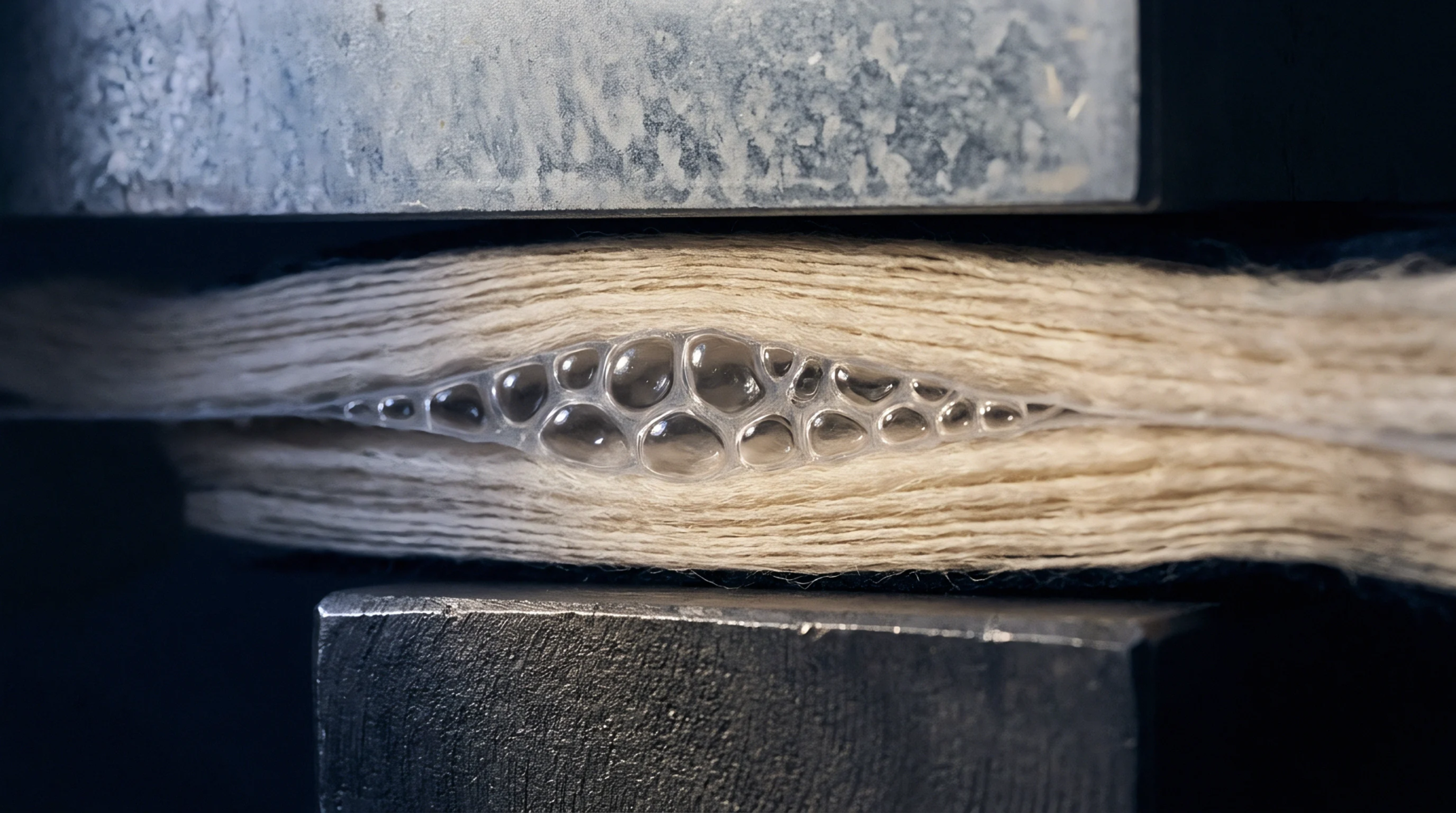
A cylindrical steel barrel designed for vertical downward penetration into tightly compressed layers of raw cotton or stacked wool fleece operates as a core sampling drill during mill intake audits. Bales arrive at the factory floor wrapped in heavy jute or synthetic bagging, hiding moisture variations and foreign contamination deep inside the interior mass. Operators press the rotating steel tube through the entire thickness of the compressed bale to retrieve an undisturbed cylindrical plug for laboratory testing.
Such internal samples reveal true moisture regain levels and hidden contaminants that surface inspections miss entirely. Mill technicians rely on this extracted core to verify whether the raw material meets commercial weight standards before payment is released to the merchant.
Mill Protocol
Extracting material samples from tightly compressed textile bales requires strict adherence to standardized sampling patterns across each incoming shipment lot. Technicians position the cylindrical cutting tool perpendicularly against the flat face of the bale to prevent deflection caused by internal pressure gradients. Rotation speed must remain strictly controlled to avoid frictional heat generation that alters the natural moisture content of the natural fibres inside the metal barrel.
Once the cutting edge reaches the predetermined depth, the operator triggers a mechanical retention mechanism inside the tip to grip the base of the sample plug. Pulling the tool outward extracts the intact cylindrical core without disturbing the surrounding layers of the bale. Laboratories receive these intact cylinders inside sealed moisture barrier tubes to prevent ambient atmospheric exchange prior to testing.
Density Gradient
Compressed textile bales exhibit significant density variations from the outer wrapping toward the geometric centre due to hydraulic pressing forces applied during baling at the gin or farm. The cutting resistance encountered by a core sampling drill increases steadily as the tool advances deeper into the compacted fibrous mass. Operators monitor motor torque readings during the penetration stroke to map localized density anomalies within the bale.
Low torque readings near the center indicate poor consolidation that causes bale instability during storage and transport inside container vessels. High torque zones reveal over-pressed regions that crush individual staple fibres and reduce the eventual yarn strength produced during spinning. Mill quality controllers use these internal density profiles to accept or reject whole shipment lots based on established processing tolerances.
Contamination Boundary
Raw fibres frequently contain foreign matter such as polypropylene twine fragments, plastic film strips and organic debris trapped during harvesting and initial baling operations. A core sampling drill exposes these hidden impurities only if the extraction path intersects the specific pocket where the foreign material resides. Statistical sampling plans therefore dictate a minimum number of core extractions per lot to ensure adequate volume coverage across the entire shipment.
Laboratory technicians dissect the extracted cylinder manually under magnifying lamps to quantify the exact weight percentage of foreign matter present in the bulk supply. Shipments exceeding acceptable contamination thresholds fail the mill audit and return to the supplier at their commercial expense.