Arithmetic Average
Arithmetic average thickness of the individual filaments in a sample of raw or processed fiber defines the quality benchmark known as mean fiber diameter. This measurement is the most significant factor in determining the grade, commercial value and end use of natural animal fibers like wool, cashmere and alpaca. The mean fiber diameter is expressed in microns and represents the central point of the width distribution for the entire lot.
A lower micron value indicates a finer fiber, which is generally softer, more flexible and capable of being spun into higher-count yarns. This metric is used by every participant in the supply chain to classify raw materials and to communicate technical specifications for textile production.
Grading Significance
Commercial classification of wool and specialty hairs relies on this value to assign fibers to specific quality categories such as super-fine, fine or medium. The mean fiber diameter dictates the price per kilogram of the raw material, with a decrease of just one micron often leading to a substantial increase in market value. In the wool industry, the super-s system is used to label suiting fabrics based on the fineness of the fibers, where higher numbers correspond to lower mean diameters.
This grading system provides a clear hierarchy of quality that allows buyers to select the right material for their intended product. The mechanism of grading is formalized through international standards that define the micron ranges for each category. This classification ensures that a buyer in one country receives the same quality of material as a buyer in another when they order a specific grade.
Manufacturing Performance
Spinning limits and the physical properties of the resulting yarn are a direct consequence of the average thickness of the fibers used. A low mean fiber diameter allows the spinner to include more fibers in the cross-section of the yarn for a given thickness, which improves the strength and uniformity of the thread. This property is necessary for producing the ultra-lightweight fabrics used in luxury apparel and high-performance base layers.
Finer fibers also have a lower bending stiffness, which translates to a softer hand feel and a better drape in the finished garment. If the average diameter is too high, the yarn will be stiffer and more prone to creating a prickly sensation when worn against the skin. Mills must carefully monitor the diameter during the blending and spinning stages to ensure that the final product meets the required tactile and mechanical standards.
Quality Benchmark
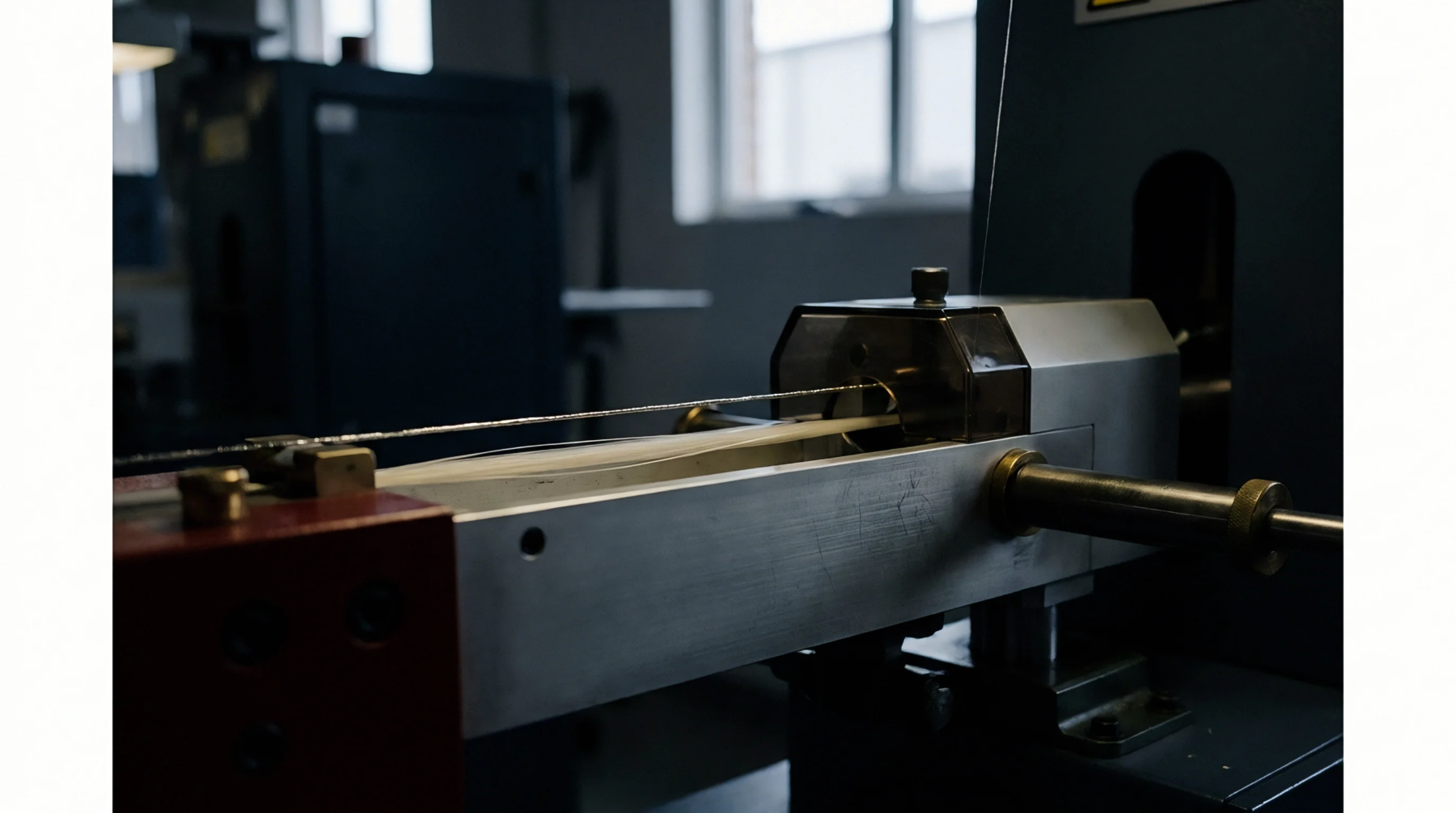
Consistency of the average diameter across different batches of fiber is a primary requirement for maintaining the quality of a brand’s products. Mean fiber diameter is measured using standardized laboratory equipment such as the laserscan or the airflow meter, which provide rapid and accurate results. These measurements are used to verify the claims made by the fiber producers and to ensure that the material is suitable for the intended manufacturing process.
If the diameter deviates from the specification, the mill may need to adjust the machine settings or change the yarn count to avoid production issues. The boundary of this metric is defined by the natural variability of the animal coat, but modern breeding and sorting techniques have allowed for the production of increasingly fine and uniform fibers. Accurate diameter data is the foundation of all technical and commercial decisions in the luxury fiber industry.