Continuous Application
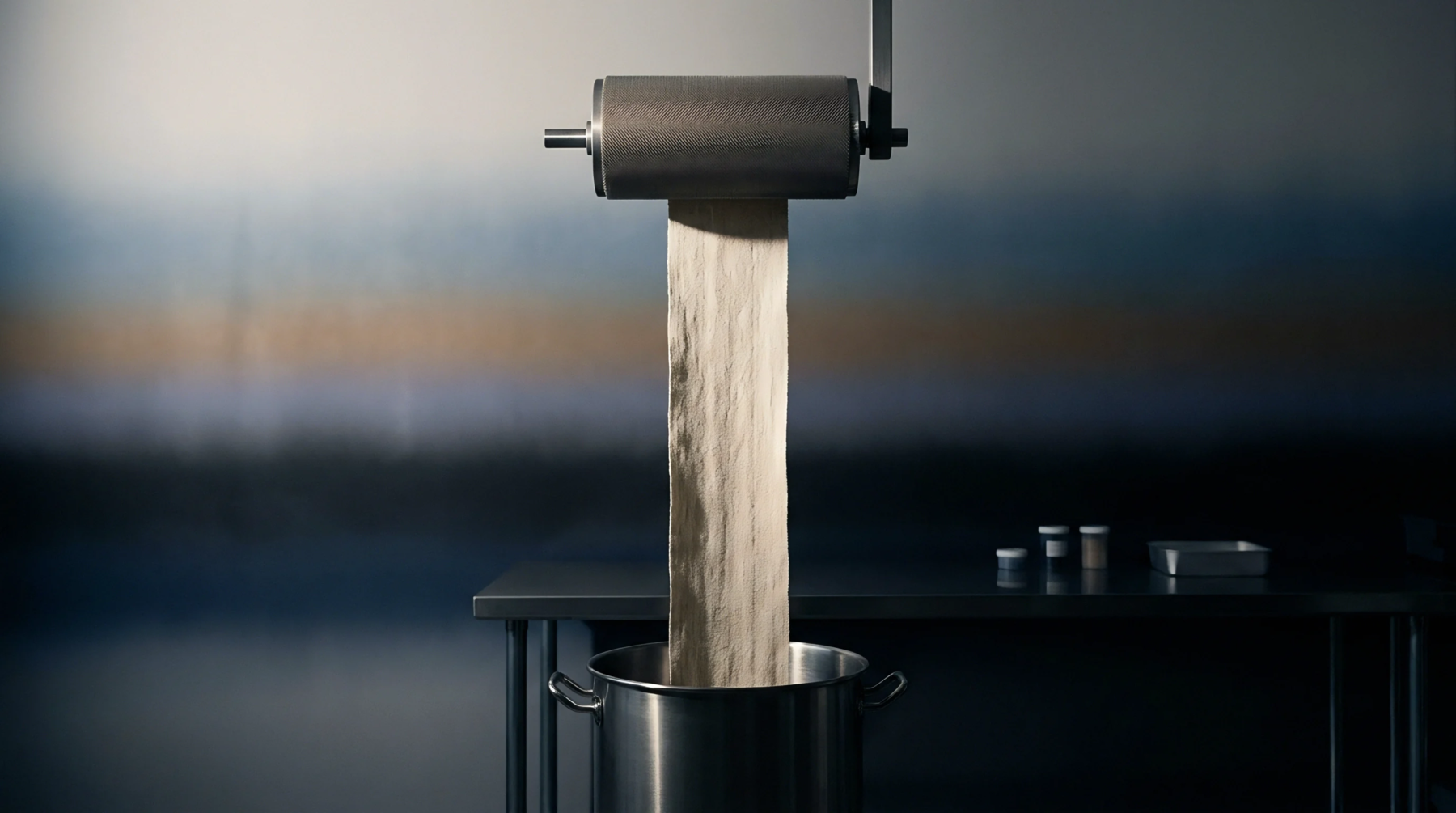
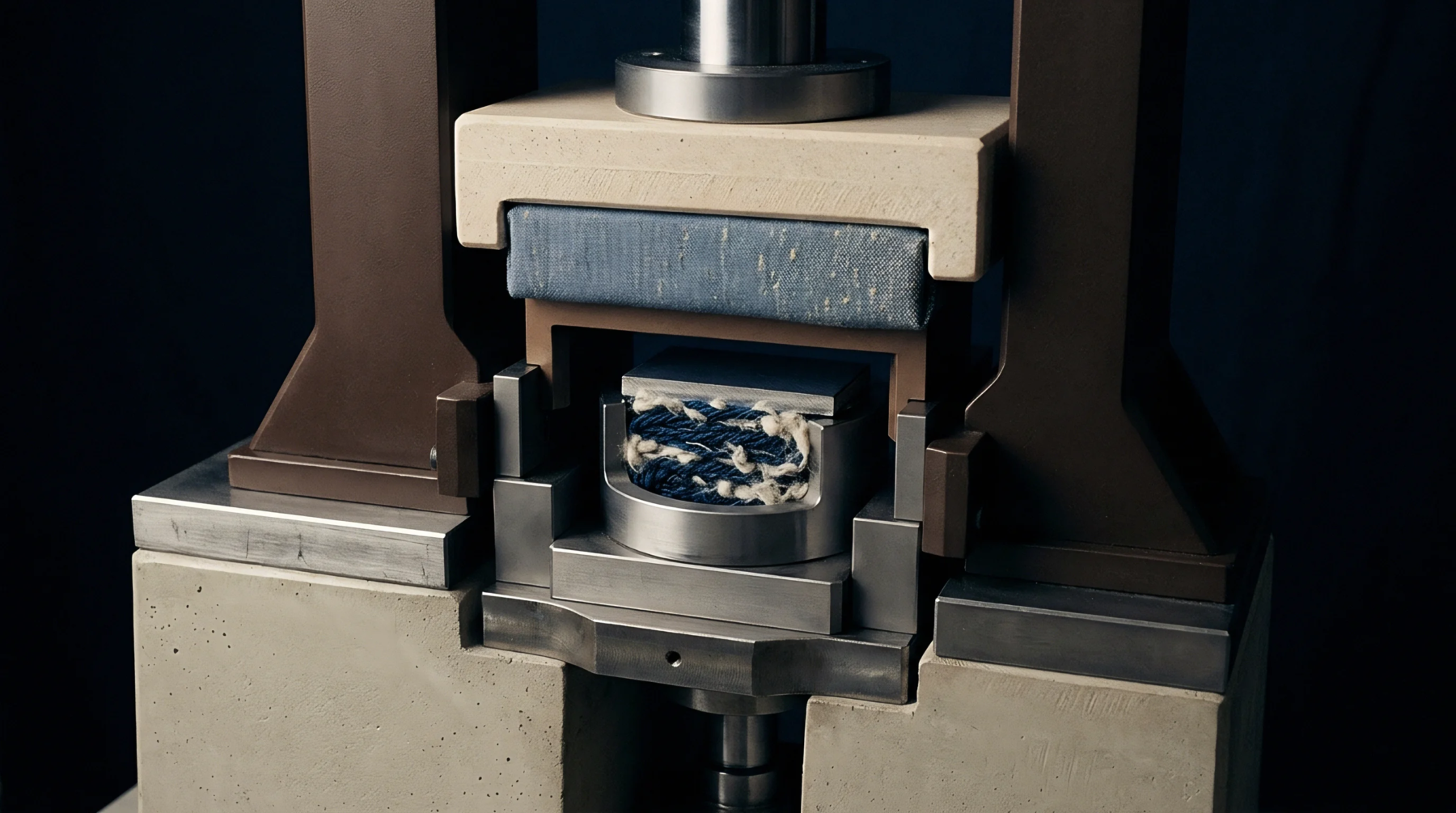
A chemical saturation method applies liquid dye liquor to open-width fabric as it passes through a set of rollers. Pad dyeing uses a high-pressure nip to force the colorant into the fibre structure before moving the material to a fixation stage. Uniformity across the width of the fabric depends on the consistency of the roller pressure and the speed of the line.
Factories monitor the liquor concentration to ensure the shade remains stable during long production runs.
Process Mechanics
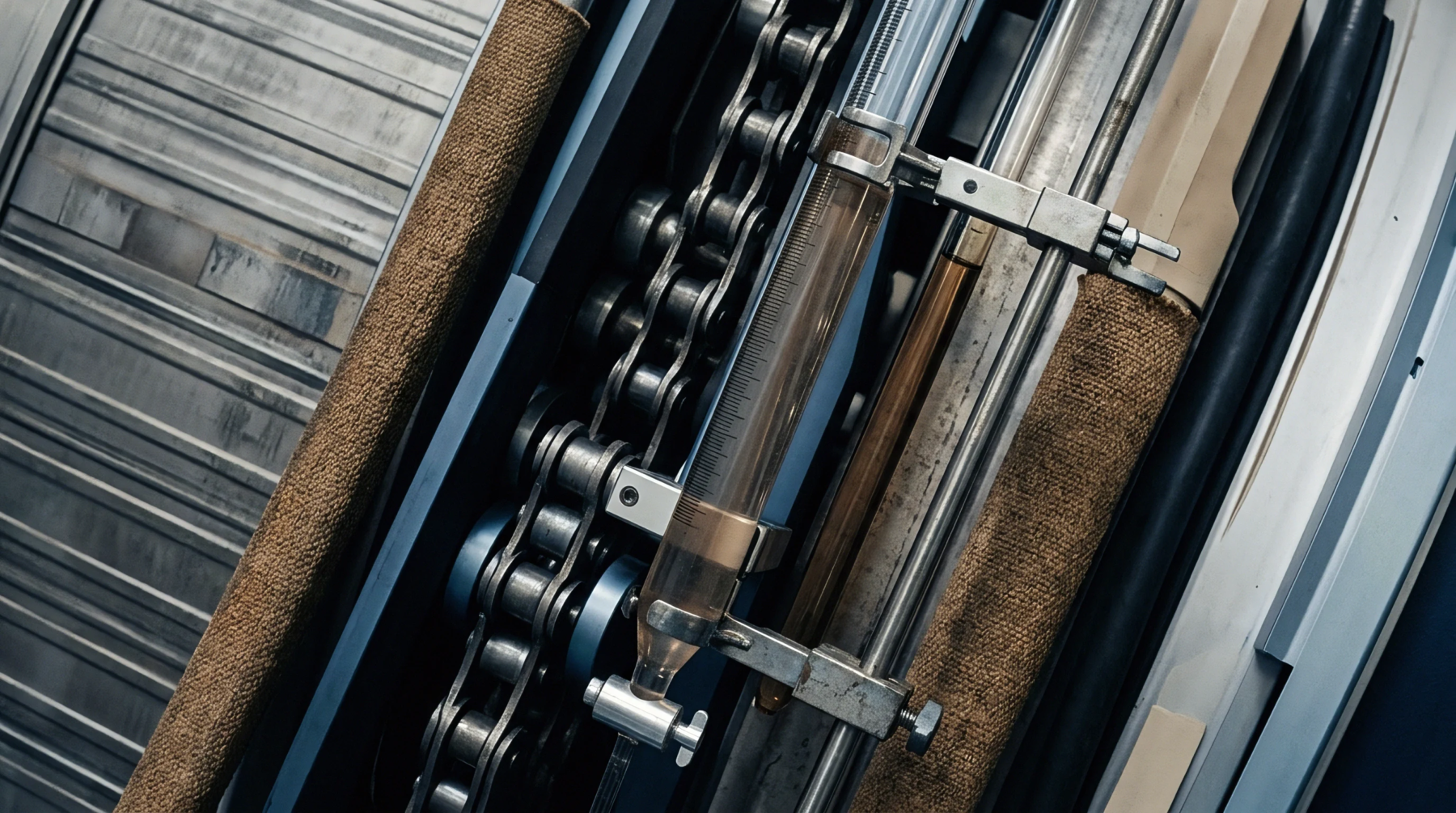
Gravity feed systems maintain a constant level of solution in the trough where the fabric enters the machine. The rotating rolls compress the textile to remove excess moisture and promote even distribution of the pigments. A tension control device manages the longitudinal stretch of the fabric to prevent structural distortion of the weave.
This mechanical setup allows for the processing of large volumes of fabric without the high water consumption associated with batch immersion techniques. Skilled technicians adjust the immersion time and roll hardness to accommodate different fibre blends or yarn counts. Precise alignment of the rollers prevents shading variations from one selvedge to the other.
Fixation Requirements
Thermal energy or chemical reaction follows the initial application to lock the molecules into the polymer chain. Heat treatments like steaming or baking promote diffusion of the dye into the fibre matrix while maintaining the original surface characteristics. Cold batch methods utilize a longer reaction time in a stationary state to achieve complete colour development.
The choice of fixation depends on the chemical affinity between the specific dyestuff and the textile substrate. Moisture content must remain within a narrow range during the transition from the nip rollers to the fixation chamber to avoid migration of the pigment.
Quality Parameters
Colour repeatability between different production lots relies on strict control of the nip pressure and liquor temperature. Labs verify the outcome through spectrophotometric analysis to detect any deviation from the target shade. Strength properties of the fabric remain unchanged when the application parameters fall within the recommended technical limits for the fibre type.
Inconsistent moisture distribution after the padding stage causes patches or streaking that appear after the final drying cycle. Stable chemical interaction between the dye and the substrate determines the colorfastness of the finished textile.