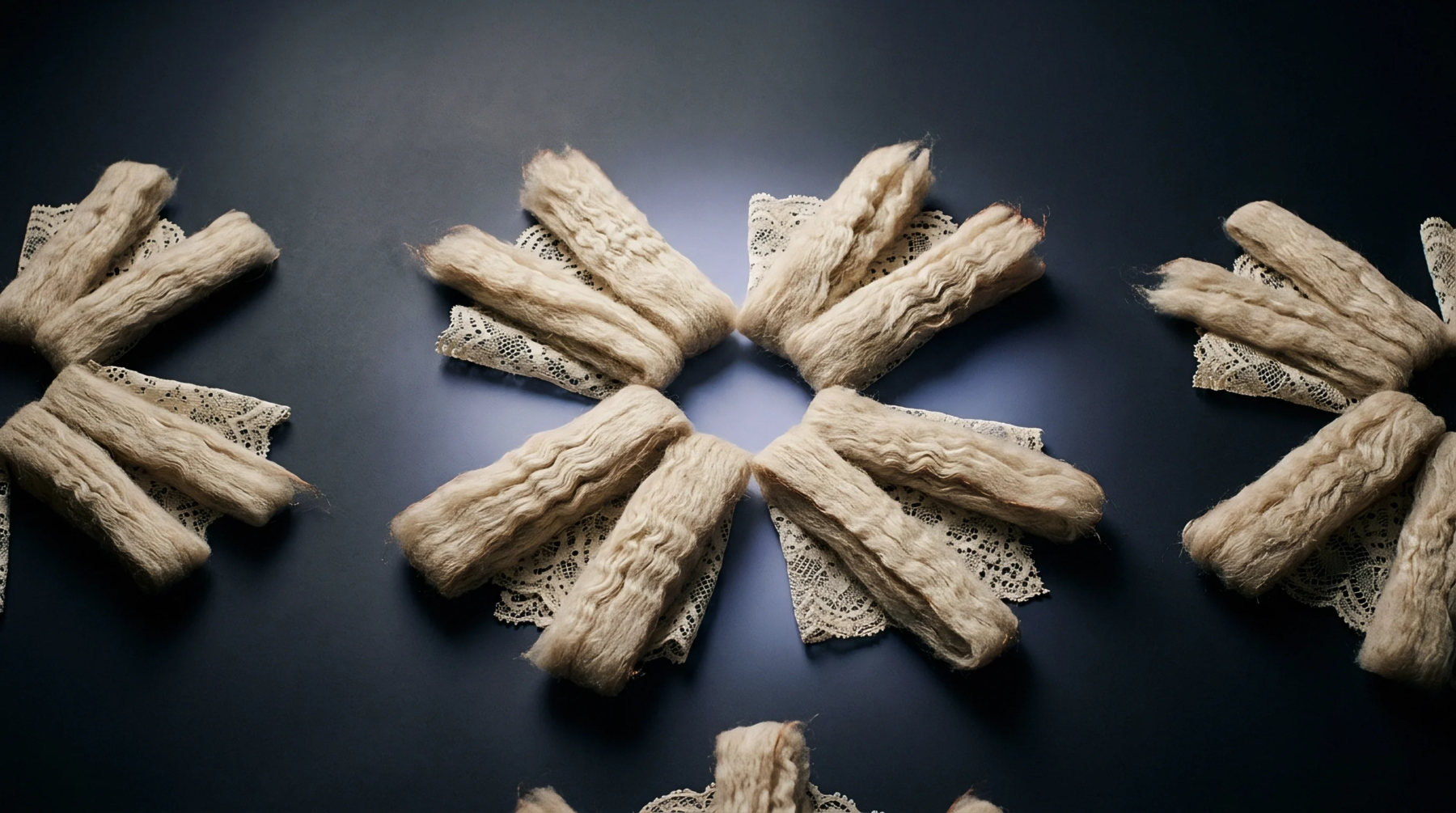
Fiber Strength
The ratio of yarn breaking force to its linear density measures the material strength of a textile strand, independent of its thickness. Spinning mills and fabric manufacturers evaluate yarn tenacity to determine whether the yarn can withstand the high-tension forces of weaving and knitting. This mechanical property does not measure yarn elasticity.
Process Impact
During high-speed weaving, warp yarns are subjected to intense, repetitive tension from the shedding action of the loom. Yarns with insufficient yarn tenacity break frequently, leading to low weaving efficiency and fabric defects. High tenacity prevents these costly issues.
Material and Structural Factors
This property is determined by both the individual fiber strength and the amount of twist inserted during spinning. When fiber length is longer, the fibers can be twisted more securely, which increases the yarn tenacity. However, over-twisting the yarn can actually reduce its strength by causing fiber damage.
Finding the optimal twist multiplier is therefore a key task for spinning engineers. This optimization ensures the yarn meets the required strength specifications.
Quality Check
Automated single-strand testers are used to measure the breaking force across thousands of meters of yarn. This continuous testing provides a reliable average value for the batch. Spinners use this data to certify yarn shipments.