Laboratory Protocol
Determining the exact fibre composition of a blended fabric involves the systematic dissolution of individual components using selective solvents. Standards set out in iso 1833 chemical separation provide a series of formulas and durations to safely isolate each fibre type within a textile sample for precise weight assessment. This quantitative analysis remains the global benchmark for checking if a garment contains the exact percentage of cotton and polyester stated on the wash tag.
Testing starts by measuring the original dry weight of the swatch before it enters a specific chemical bath designed to eat away one material while leaving others intact. The difference in mass after the first stage reveals the amount of the first fibre present in the weave.
Solvent Interaction
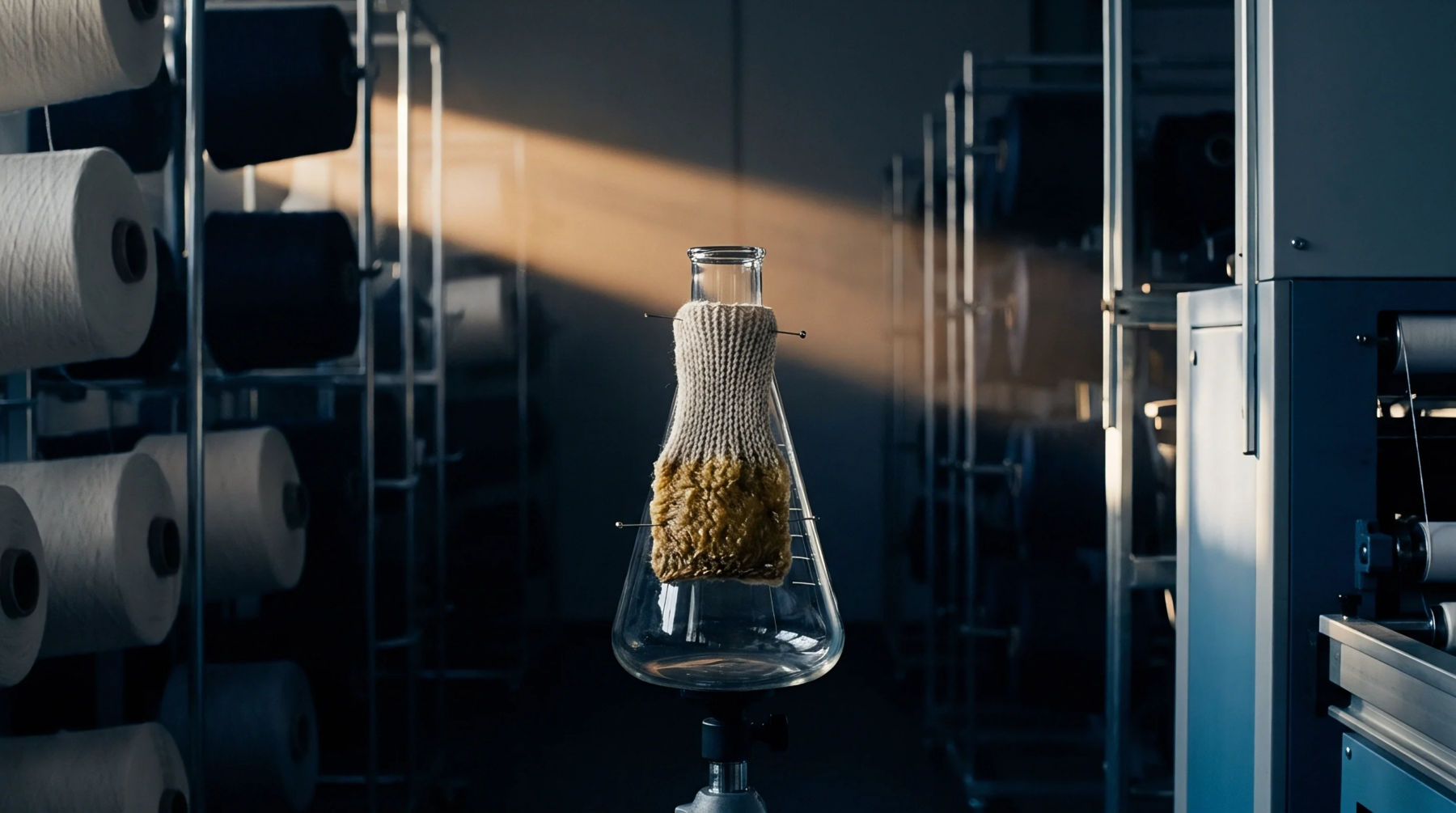
Identification of multiple materials in a sample requires a sequence of immersions in progressively stronger chemical agents. Inside iso 1833 chemical separation, different reagents like formic acid or sulphuric acid are used depending on which synthetic or natural polymer is targeted. Technicians monitor the temperature and the agitation level of the bath to ensure complete removal of the soluble part without damaging the remaining residue.
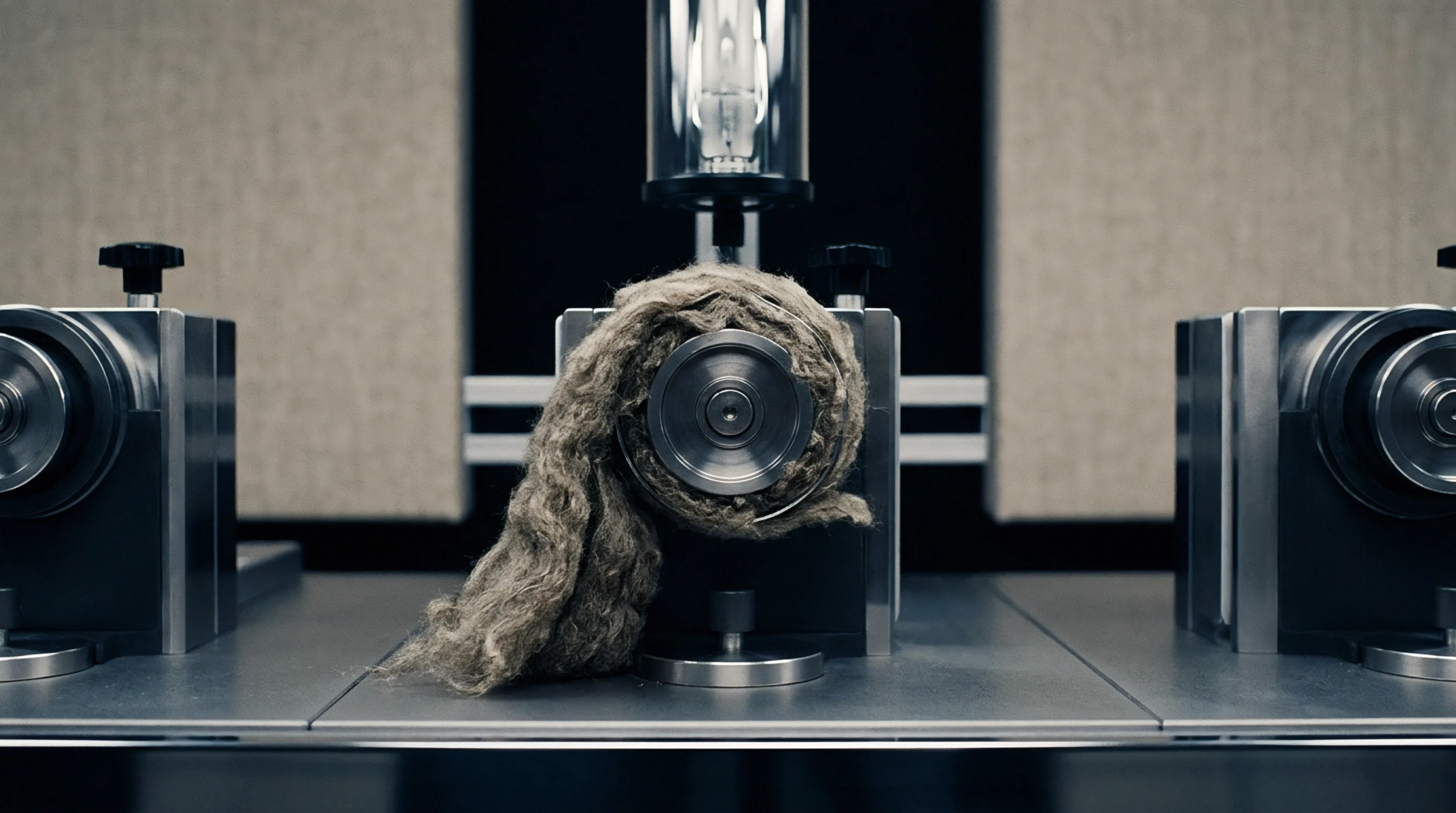
Each successful bath removes another layer of the blend until only the most resistant fibre remains at the bottom of the filter. This solid remainder is then dried to constant mass at high temperature to ensure no water weight is accidentally included in the final percentage. Precise timing is the primary control that prevents the unintentional degradation of the target fibre during these violent chemical reactions.
Percentage Calculation
Accuracy of the results is derived from the net weight loss at each stage of the multi step separation process. Following iso 1833 chemical separation, the lab factors in correction values to account for the slight weight loss that even resistant fibres experience when exposed to acids. The final report lists the precise ratio of materials found and notes whether any coatings or sizing chemicals were removed first as a baseline measure.
These findings are checked against the mill declaration to look for errors that could lead to fines for incorrect customs declarations. A fabric with ninety percent polyester instead of sixty percent will behave differently in the dye vat, and this chemical proof explains why. These statistics ensure that designers work with the correct mechanical assumptions when they start drafting new garment patterns.
Documentation Audit
Certificates issued from these lab sessions remain the definitive evidence in legal disputes regarding the authenticity of expensive recycled fibre contents. Usage of iso 1833 chemical separation allows a brand to verify claims of pure wool or organic cotton by confirming that no unauthorized hidden plastics are in the yarn. Every report includes details on the specific solvents used and the environmental conditions inside the laboratory during the testing window.
Retailers store these files to prove due diligence if a consumer watchdog asks for proof of the marketing claims seen in store windows. This scientific path is the only way to break down a complex fabric to its bare molecular components for honest accounting. Stability in the global apparel market relies on this ability to verify physical facts through irreversible chemical action.