Moisture Equilibrating
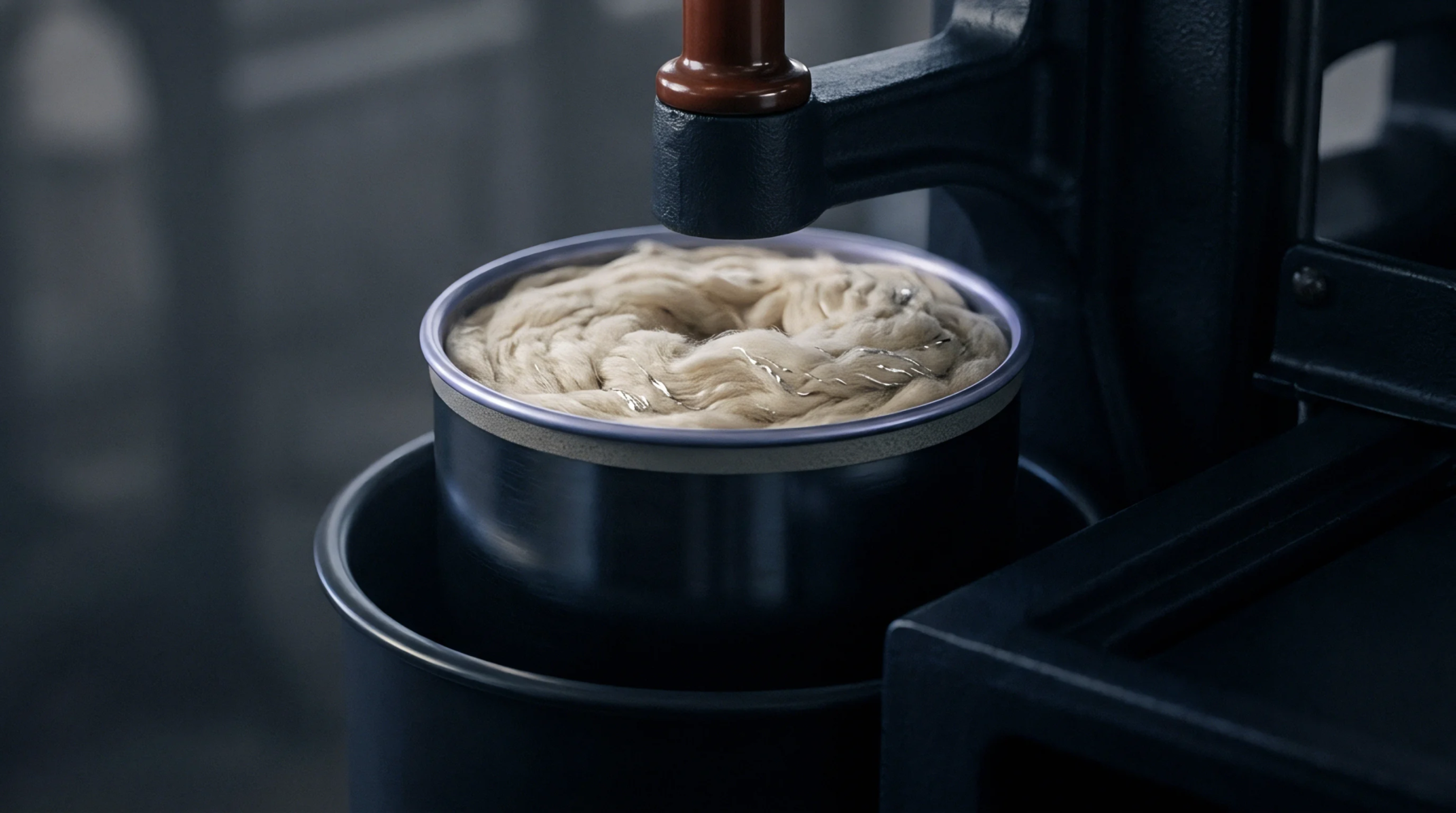
Atmospheric stabilization prepares textile specimens for standardized physical assessment by forcing fibers into a balanced state with a controlled surrounding environment. Relative humidity conditioning serves to eliminate transient moisture fluctuations that alter the mass and tensile properties of natural or synthetic materials. Standards require specific temperature and moisture parameters for twenty-four hours prior to mechanical testing to ensure that the material demonstrates stable performance metrics.
Fabrics containing high proportions of hygroscopic fibers like wool or cotton require longer exposure periods than synthetic filaments to reach this state.
Standardizing Procedures
Technical laboratories mandate precise environmental controls during the pre-conditioning stage to prevent erratic test results caused by fluctuating ambient water vapor. Procedures involve exposing the textile samples to a low humidity environment to remove residual water before moving them to the final test atmosphere. This process allows the internal molecular structure of the fibers to shift uniformly without the interference of localized moisture pockets.
Technicians observe the weight of the samples at timed intervals until no further mass variance occurs, signaling that the specimen has reached a stable equilibrium.
Laboratory Requirements
Textile quality control relies on this methodical approach to guarantee that physical tests like tear strength, bursting pressure and abrasion resistance align with established international benchmarks. Differences in ambient humidity between testing facilities often produce inconsistent data if samples undergo testing without initial treatment. Calibrated chambers monitor the intake of moisture as the fiber matrices expand or contract in response to the surrounding air pressure.
Variations in the resulting moisture regain percentage impact how the yarn interacts with testing equipment, thereby influencing the reported structural integrity of the fabric.
Production Verification
Mills verify the effectiveness of these protocols through weight checks performed immediately after the conditioning cycle finishes in a certified laboratory space. Production managers recognize that untreated materials retain inconsistent levels of humidity that bias the results of weight per square meter measurements. Verification provides a neutral baseline for comparing batches manufactured under different environmental conditions across various factory locations.
Consistent moisture content ensures that the mechanical data accurately represents the inherent qualities of the fabric rather than the temporary influence of external weather patterns.