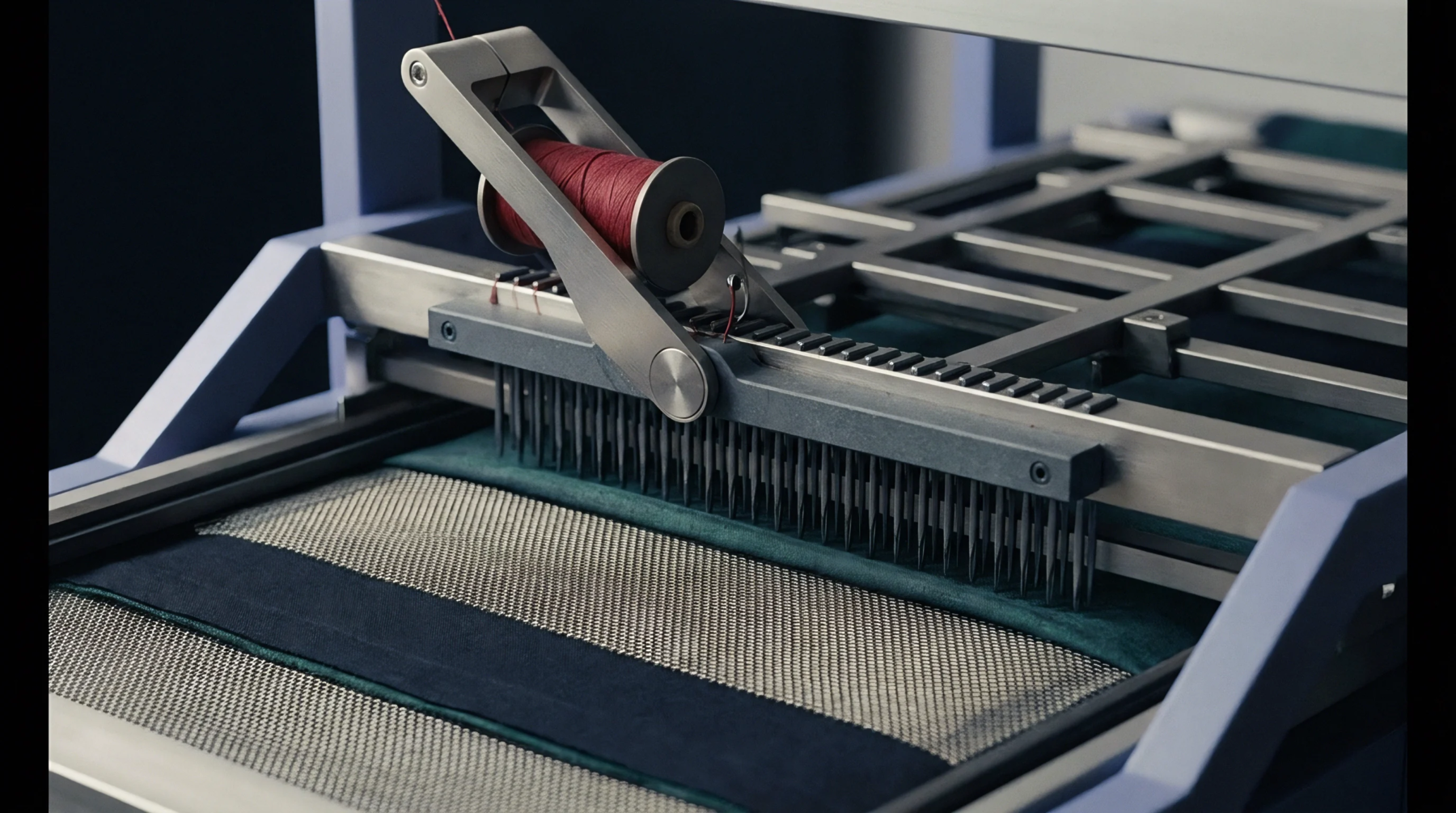
Packing Threshold
Maximum packing density boundaries establish the upper physical limit for yarn insertion per unit measure in woven fabric structures. Textile structural engineers evaluate the structural jamming limit to determine maximum attainable warp and weft thread counts for specific yarn numbers. The boundary ceases to apply when yarn cross-sections deform under extreme compression or when modified flexible synthetic yarns flatten under high pressure.
Geometric Constraint
Thread diameter sum limits and crimp geometry dictate the physical boundary where adjacent yarns collide and resist further compaction. Increasing pick density beyond theoretical limits causes severe reed marks and loom stoppage. Fabric designers calculate the structural jamming limit using cover factor equations and yarn deformation factors.
High-density industrial fabrics operate near this structural threshold to achieve fluid impermeability.
Weave Resistance
Loom beat-up forces rise exponentially as fabric density approaches maximum theoretical thread packing. Warp threads experience excessive abrasion against reed wires when pick spacing drops below the jamming distance.
Production Limit
Exceeding yarn packing boundaries during weaving causes warp end breakage and fabric structural defects. Weaving sheds adjust pick insertion rates below maximum capacity to maintain high loom efficiency and prevent machine damage. Technical planners use structural jamming limit calculations to design heavy canvas and filtration fabrics within practical weaving capabilities.
Respecting geometric constraints ensures smooth loom operation and consistent cloth quality.