Mechanical Behavior
The time-dependent decrease in internal stress within a textile fiber or fabric when it is held at a constant stretched state governs its recovery. Understanding viscoelastic relaxation helps garment manufacturers predict how synthetic and natural fibers will behave after heat setting or during storage. This process determines the shape retention of the finished garment.
It defines the ease with which polymer chains slip past each other in amorphous regions under prolonged strain, establishing the threshold where elastic deformation becomes permanent.
Relaxation Mechanism
Textile fibers possess both elastic and viscous properties that allow them to deform and recover slowly. When held under constant strain, the polymer chains slowly reorganize to relieve the internal stress. This reorganization reduces the force required to maintain the stretched state over time.
Finishing Control
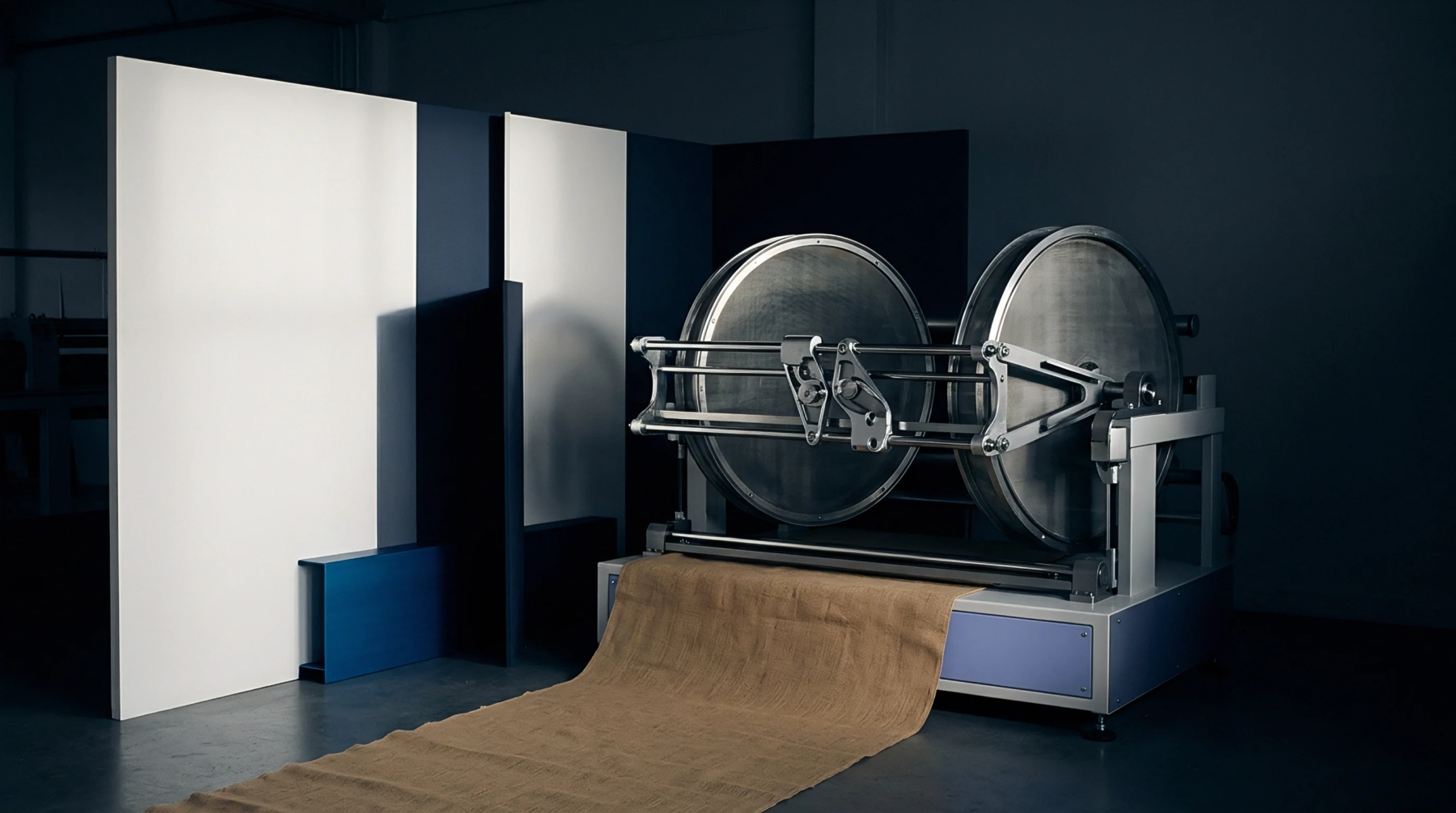
Wet processing and heat setting on a stenter must account for this behavior. If the fabric is rolled or packed before this viscoelastic relaxation is complete, it will continue to deform and shrink unevenly. This can lead to distorted garment panels and twisted seams after cutting.
Testing Protocol
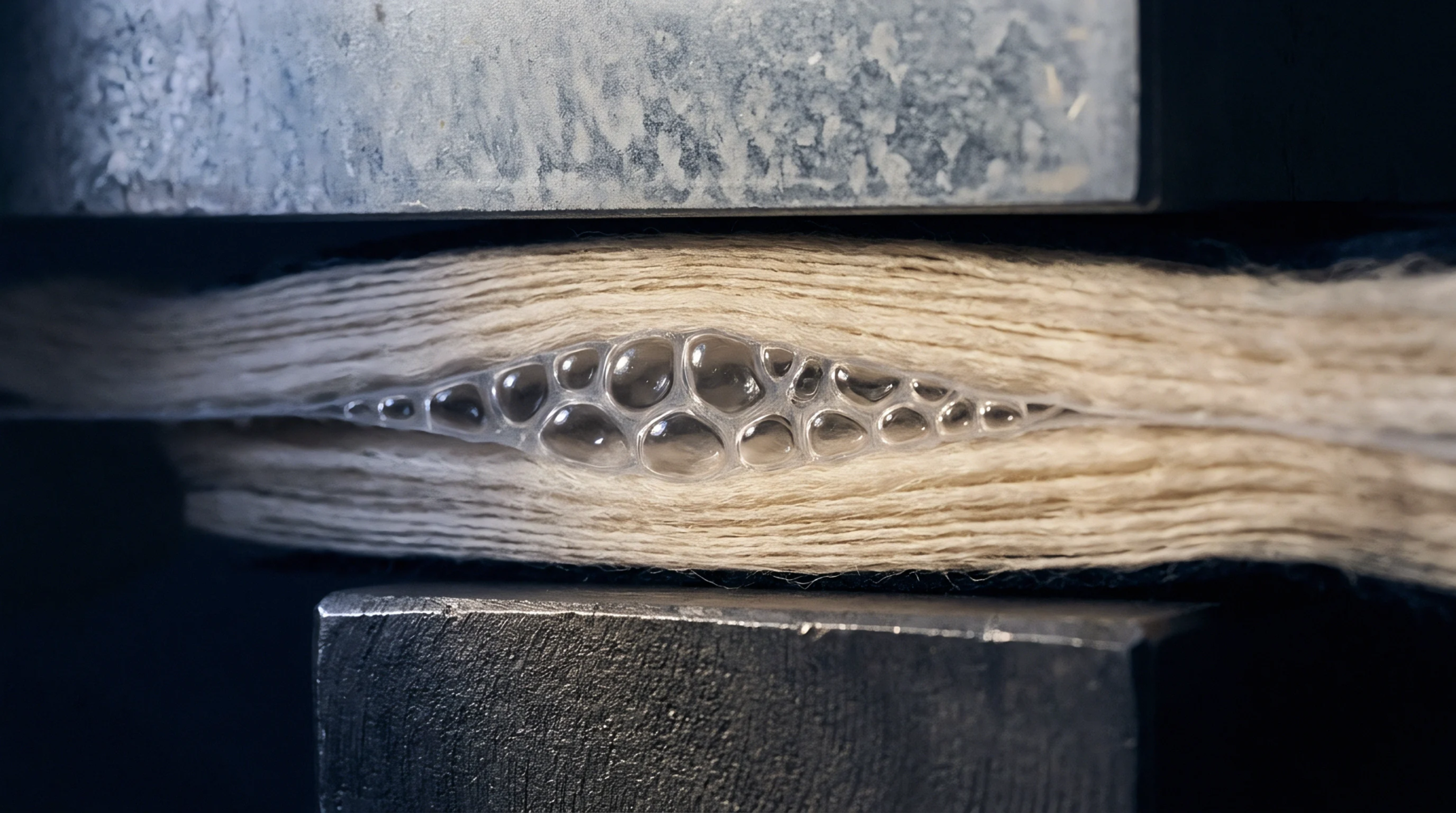
Laboratory tests measure this property by stretching a fabric sample to a fixed extension and recording the force over time. The rate of decay indicates how quickly the fibers adapt to mechanical deformation. This data guides finishing parameters.