Thermal Immersion
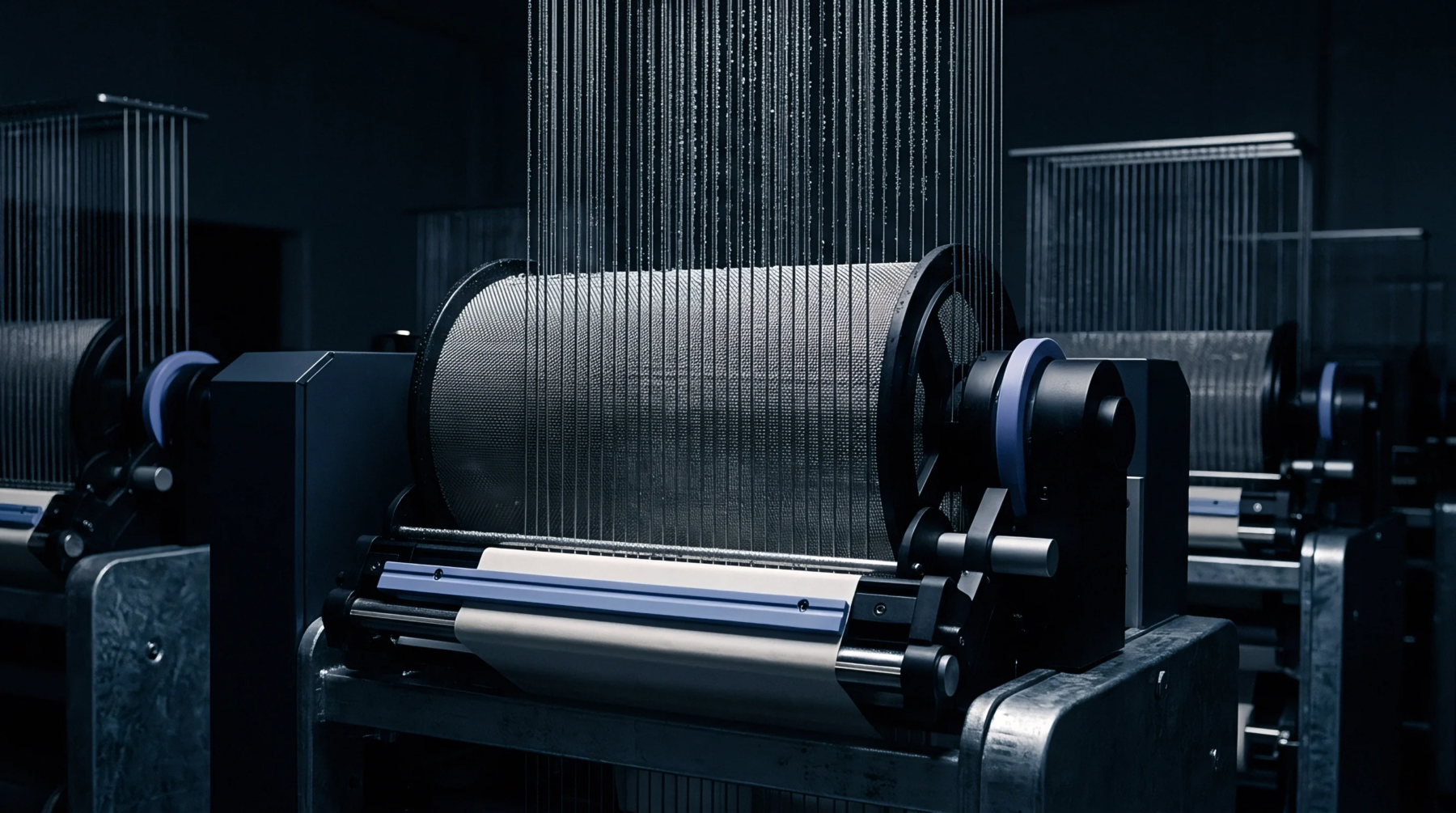
Continuous pad dyeing is a high-speed wet processing method for woven and knitted fabrics where dye liquor is applied uniformly through a trough followed by mechanical extraction and thermal fixation. Textile mills deploy this application technique for large-scale production runs demanding precise shade consistency across thousands of meters of cellulosics and synthetic blends. The process begins when dry greige goods enter a chemical bath containing solubilized dyestuffs, wetting agents, and migration inhibitors.
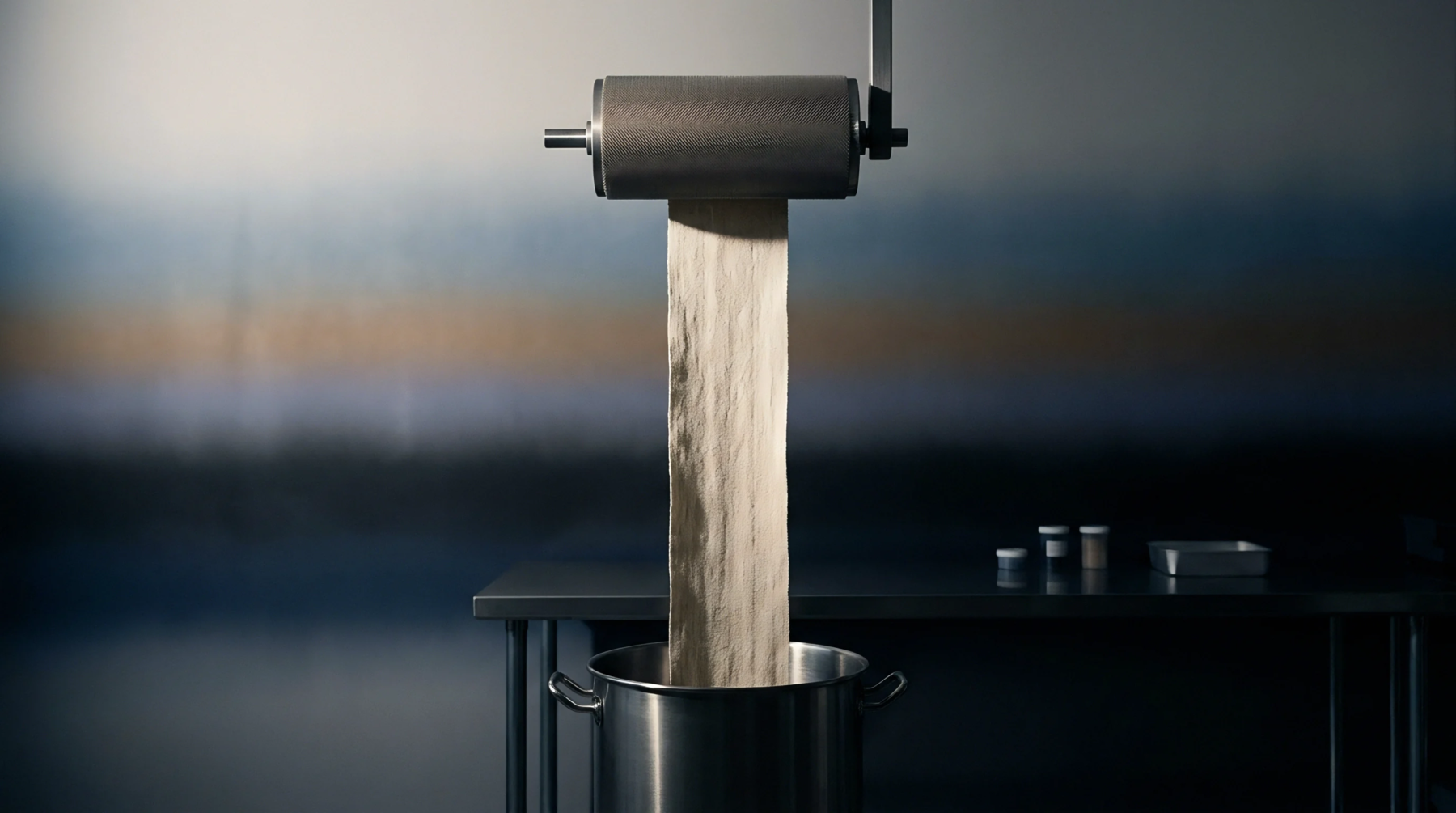
Squeeze rollers apply controlled hydraulic pressure to force the liquid deep into interstitial spaces between yarns while expressing excess liquor to prevent pooling. Wet pick-up values dictate the exact quantity of moisture retained by the textile substrate before thermal treatment. Improper roller pressure gradients result in side-to-center shading defects that fail commercial inspection standards during final auditing.
Fixation Dynamics
High-temperature chambers, chemical padding setups, and steam boxes execute the transition from liquid absorption to permanent molecular bonding. Saturated steam fixes reactive dyes inside agers by breaking hydrogen bonds within cellulose chains and facilitating covalent reactions. Thermosol ovens apply dry heat ranging from two hundred to two hundred twenty degrees Celsius to disperse dyes into polyester substrates through solid-state diffusion.
Residence times inside these heating zones govern color yield and wash-fastness ratings reported on mill test certificates. Temperature fluctuations across the width of the heating zone generate uneven sublimation rates that ruin batch uniformity.
Substrate Parameters
Fabric weight, yarn twist, and scouring cleanliness dictate liquor pickup rates during liquid application stages. Residual sizing agents left on grey goods prevent dye penetration and cause patchy coloration under ultraviolet light meters. Heavy canvas materials require longer immersion dwell times than lightweight poplin constructions to achieve complete saturation.
Laboratory recipes established during preliminary strike-off trials frequently require adjustments when transferred to industrial production lines due to mechanical differences in squeeze roll deflection.
Commercial Tolerances
Spectrophotometric color matching verifies that finished batches conform to client-approved spectral data within strict CIELAB color space boundaries. Buyers reject rolls exhibiting metamerism under standard daylight and incandescent illumination sources. Edge-to-center shade variations exceeding permitted delta E limits trigger corrective re-dyeing protocols or financial penalties for the producing facility.
Final grading decisions rest on instrumental readings rather than subjective visual assessments under uncontrolled store lighting.