Tension Fluctuation
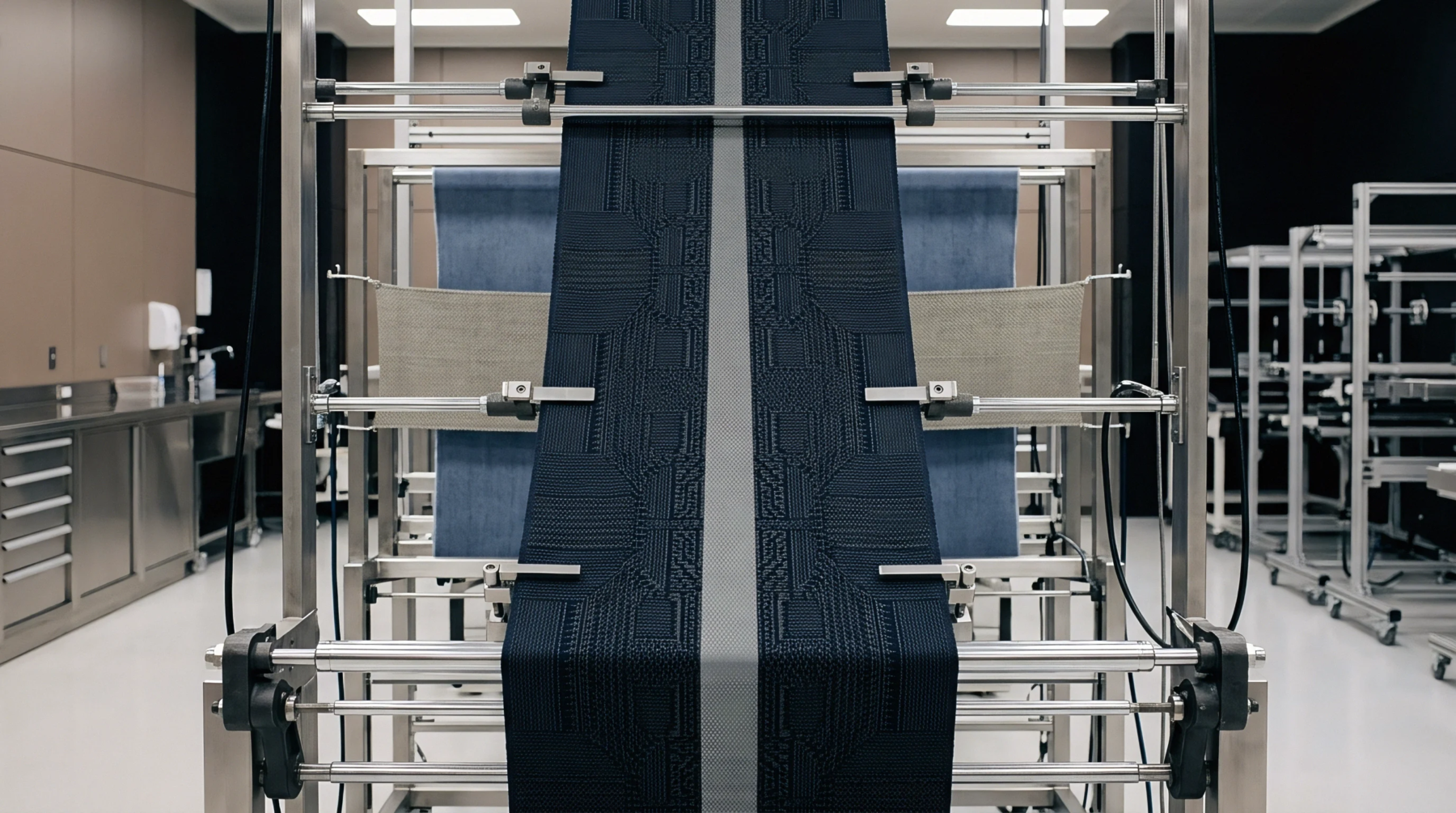
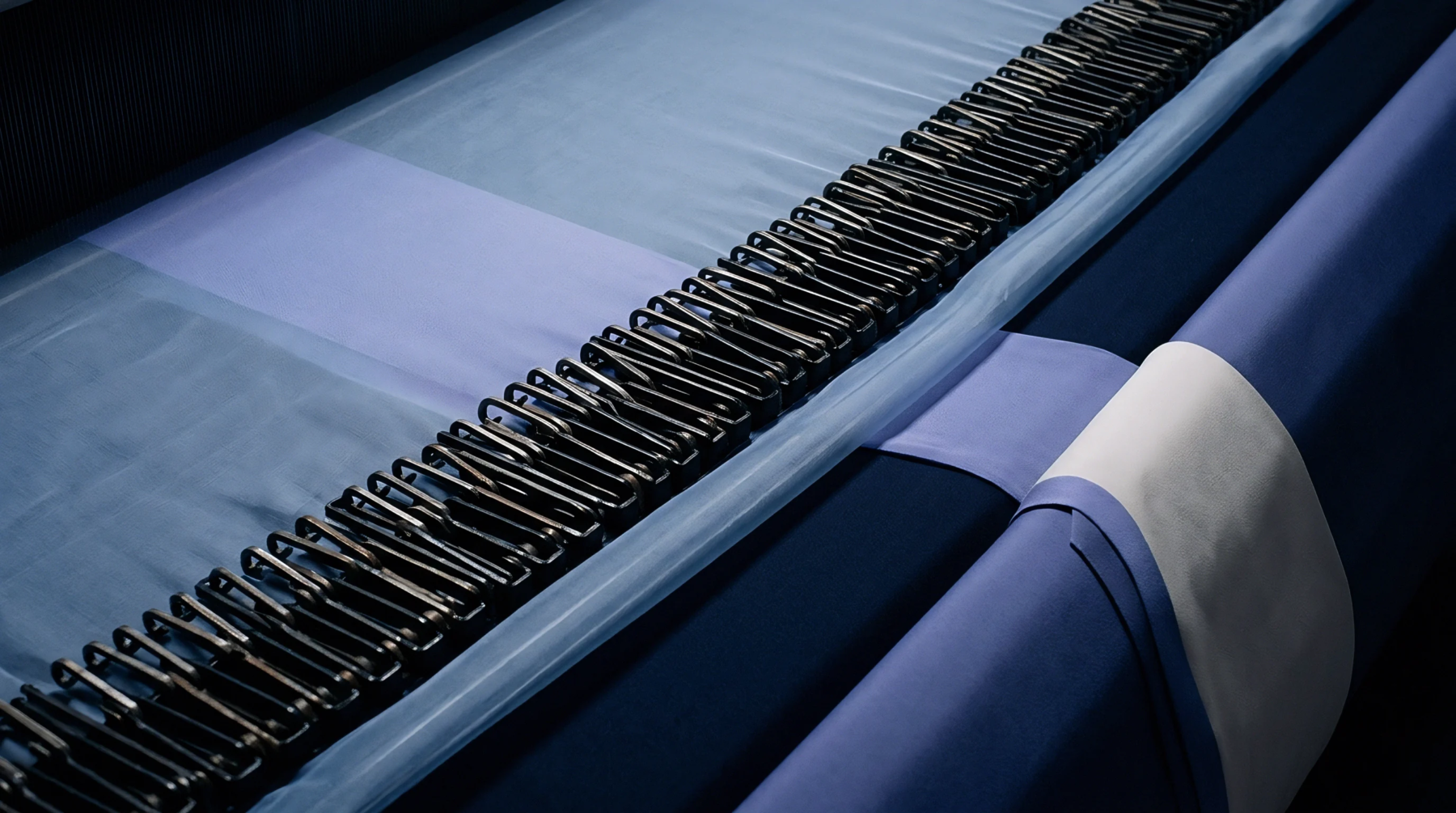
Tension fluctuations in warp yarns during weaving are caused by the shedding and beat-up actions of the loom. In active weaving, dynamic warp tension reaches its highest point during the shed opening and the reed beat-up. This force must be monitored to avoid yarn damage.
Shed Cycle
Harness frame movements pull the warp ends apart, stretching the yarn and raising the load on each thread. The dynamic warp tension falls when the harnesses return to the level position, creating a cyclic load pattern. This pattern repeats hundreds of times per minute on modern looms.
Breakage Prevention
Yarn defects such as weak splices or thin spots are highly vulnerable to the peak loads of each cycle. If the dynamic warp tension exceeds the tensile strength of these weak points, the warp yarn breaks, which forces the loom to stop and reduces overall weaving efficiency. Maintaining a moderate warp tension through careful machine adjustment ensures that minor yarn defects can survive the mechanical stresses of the shed cycle without causing a stop.
Monitoring System
Sensors mounted on the back rest roller trace the real-time forces and feed data back to the electronic let-off system. This system responds by adjusting the beam rotation to keep the peak force stable. These rapid adjustments protect the yarn sheet during fast speed changes.