Liquor Ratio
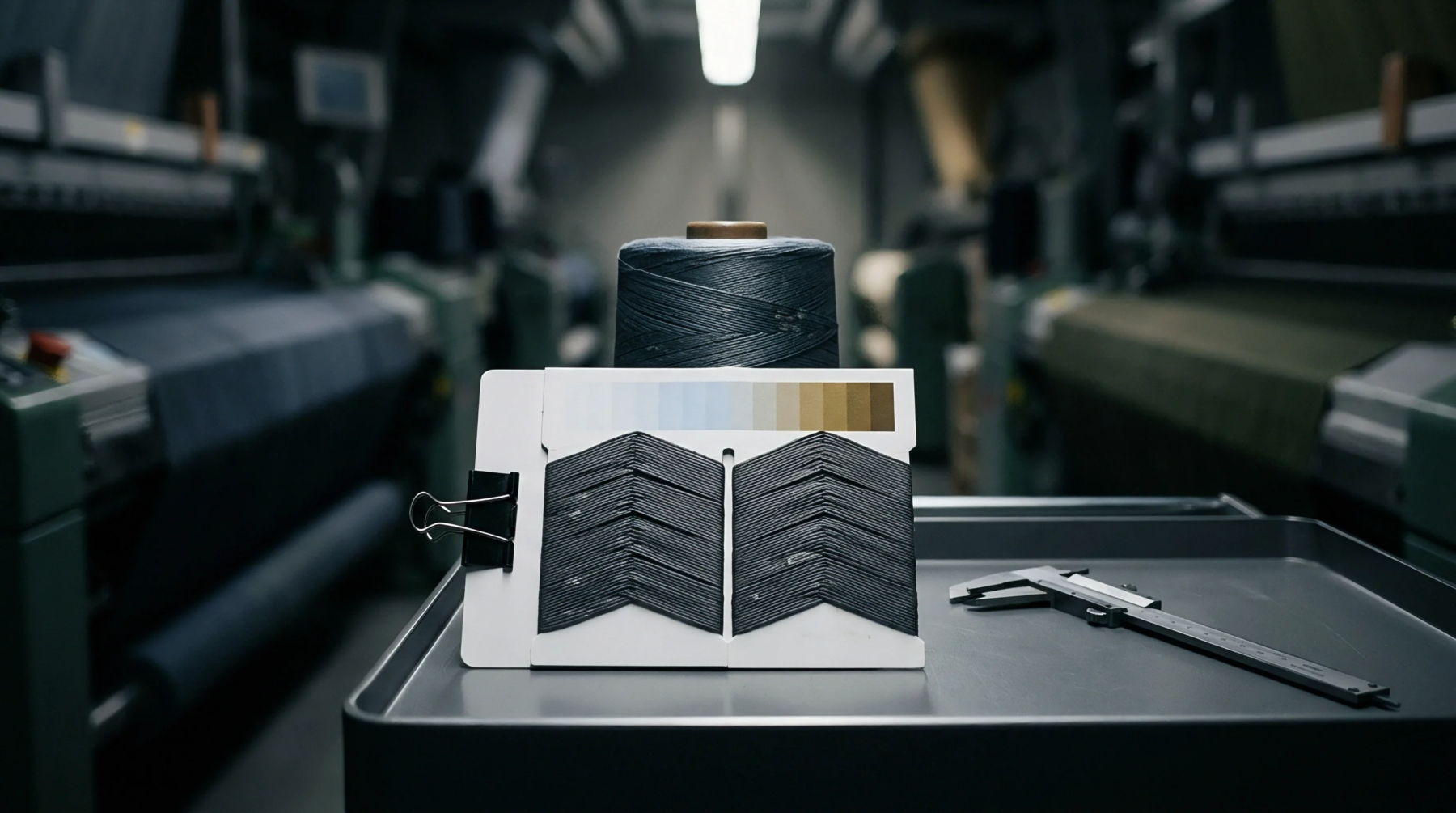
A textile batch process manages the transfer of colorants from a circulating aqueous solution to a stationary fibre mass within a pressurized vessel. In exhaust dyeing, the substrate remains static while the dye liquor cycles through the packed fibres until the concentration in the bath drops to a target residual level. This method relies on the affinity between the dyestuff molecules and the polymer structure of the fibre to facilitate bonding over a controlled time interval.
Heat input and chemical auxiliaries modulate the rate of migration, preventing uneven distribution across the surface of the batch. Production facilities rely on this technique for yarn and small lot fabric processing because it maintains high reproducibility compared to continuous application systems. The equilibrium state between the fibre and the residual bath determines the yield efficiency of the chemical input.
Kinetic Requirement
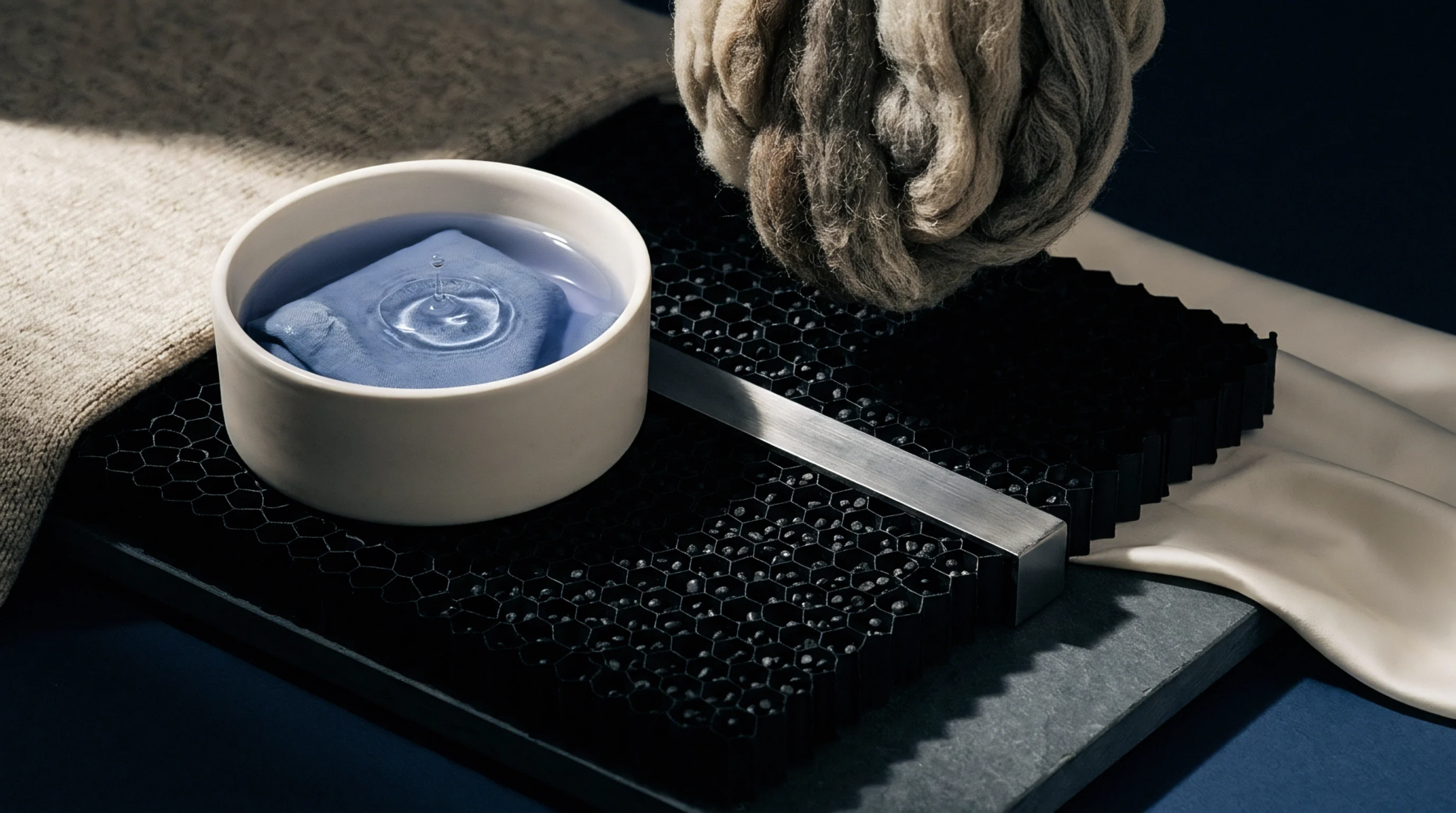
Manufacturers control the outcome of exhaust dyeing by adjusting the temperature gradient and pH levels throughout the duration of the cycle. Constant flow rate of the dye liquor ensures the solution penetrates dense areas of the substrate such as inner yarn coils or tightly packed fabric rolls. Additives slow down the initial strike rate to allow uniform penetration before the temperature reaches a point where the fibre pores expand and lock the pigment into the molecular matrix.
Small fluctuations in pressure or circulation speed alter the distribution, leading to shade variation between batches. Operators monitor the drop in bath concentration to confirm that the saturation level meets the required specification for the batch.
Batch Consistency
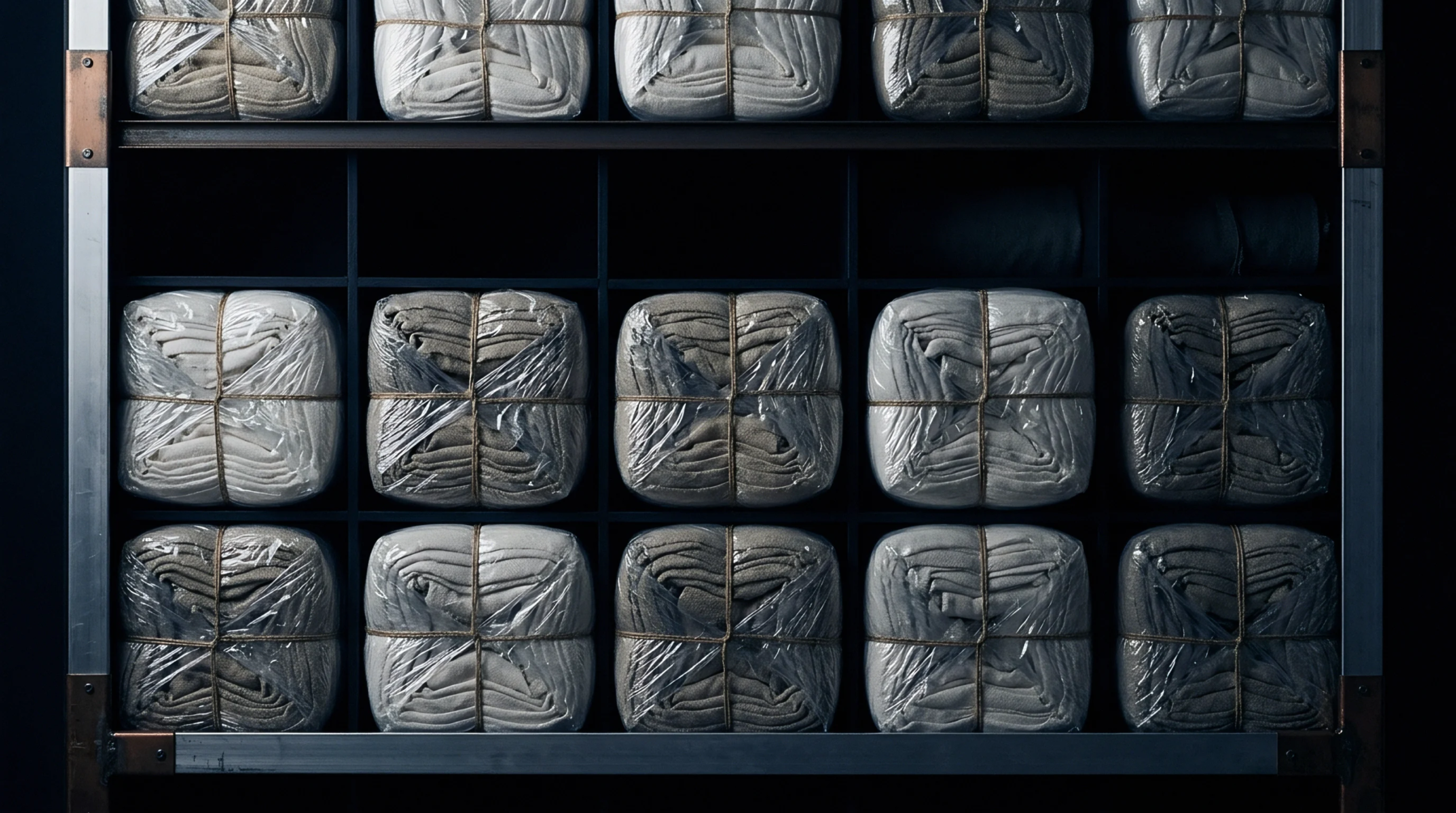
Precise control over the material to liquor ratio minimizes waste while ensuring that each unit within the vessel receives identical treatment. Variations in the moisture content of the incoming fibres shift the effective concentration of the chemicals, so mills calibrate the initial volume based on the dry weight of the input material. Sensors track the color change in the liquor continuously during the active cycle to calculate the exact moment of exhaustion.
Technicians adjust the chemical dosage based on historical data from similar fibre types to maintain high fidelity across subsequent production runs. Consistent results rely on the maintenance of the circulation pumps and the accuracy of the dosing equipment.
Quality Boundary
This procedure produces superior depth of shade for wool and synthetic blends that require longer dwell times to achieve full structural penetration. Short cycles result in surface tinting rather than true saturation, which creates poor wash fastness properties in the final garment. Deep penetration requires the balance of electrolyte levels and temperature control to prevent the dyes from precipitating out of the solution prematurely.
Mills verify the success of the process by comparing the residual bath concentration to the calculated theoretical limit of the dye. Proper exhaustion of the bath reduces the risk of bleeding in the finished goods during later wet processing steps.