
Standard Test Method Selection for Azo Dye Analysis
Select EN ISO 14362-1 direct reduction for natural fibers, pre-extract synthetics with boiling xylene, and isolate 4-aminoazobenzene using EN ISO 14362-3.
Select EN ISO 14362-1 direct reduction for natural fibers, pre-extract synthetics with boiling xylene, and isolate 4-aminoazobenzene using EN ISO 14362-3.

Resolving pyrolytic matrix interferences requires replacing thermal desorption screening with polymer dissolution and liquid extraction prior to mass spectrometry.

Chemical compliance in bulk fabric procurement requires batch-level analytical testing backed by verified scope certificates and binding financial indemnity terms.

PFAS removal in recycled deinking requires counter-current washing matched to perfluorinated chain lengths to prevent short-chain accumulation in process loops.

Fluorochemical partitioning in paper pulping shifts short-chain compounds into recirculating process water, requiring total fluorine verification on every batch.
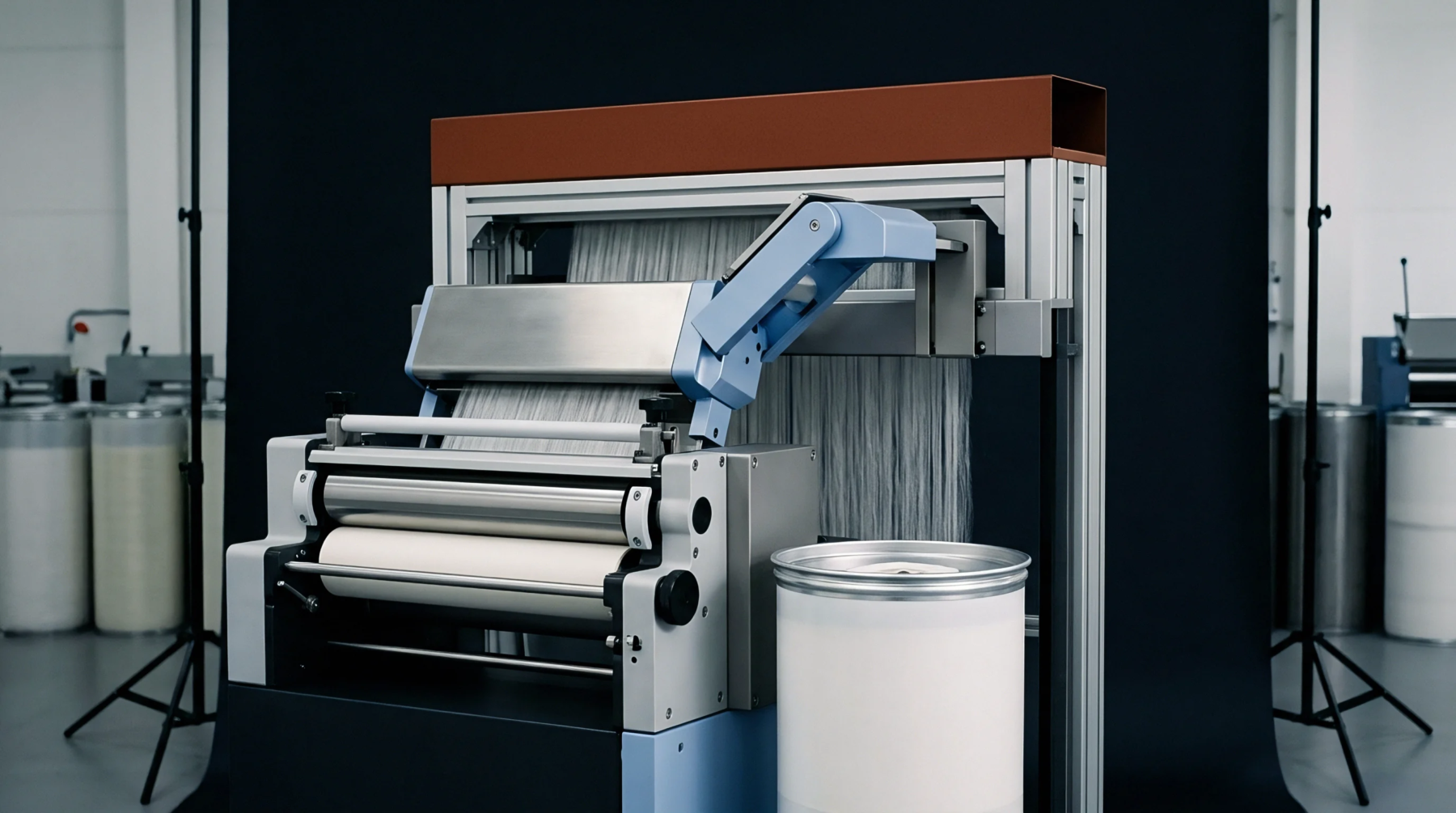
Isolating non-PFAS organofluorine in recycled yarns demands targeted solvent extraction and thermal desorption to differentiate fluoropolymers from restricted PFAS.

Reconciling chemical testing against transaction certificates requires matching lot-specific lab reports with physical mass balances to guarantee compliance

Matrix extraction variance in recycled garments requires particle standardization and matrix-matched spikes to prevent false compliance border detentions.

Split-sample aromatic amine retests require ISO 10576-1 guardbanding to reconcile inter-laboratory variance against the 30 mg/kg REACH threshold.

Preventing recycled textile PFAS contamination relies on raw waste total fluorine screening, isolation of wet processing baths, and lot LC MS MS analysis.

Chromatographic mass reconciliation combines combustion ion chromatography with alkaline precursor cleavage to quantify non-extractable side-chain fluorinated polymers in textiles.

Enforceable tier two chemical compliance requires lot-specific transaction certificates, accredited lab reports, and absolute pass-through liability clauses.

Verify chemical formulations through tiered chromatographic testing tied directly to consumption volumes before integrating raw auxiliaries into wet processing baths.

Low level analytical testing requirements protect sourcing contracts only when specific detection thresholds, accredited test methods, and retest mechanics bind the batch.

Liquid chromatography tandem mass spectrometry requires matrix-matched calibration curves to prevent underestimating sheep wool in peroxide-bleached cashmere.

Standardize thermal extraction at 55 degrees Celsius to arrest keratin deamidation and secure precise proteotypic peptide ionization yields in fiber testing.

Standardizing ionization efficiency corrections via isotope dilution LC-MS/MS prevents false-negative azo amine compliance failures in recycled polymer blends.

Matrix interferents in recycled synthetic fibers distort chromatographic baselines, requiring targeted solid-phase clean-up to prevent false positives.

Validate ISO 17025 scope schedules against exact substrate matrices, analytes, and test methods to eliminate customs detentions and illegal scope claims.
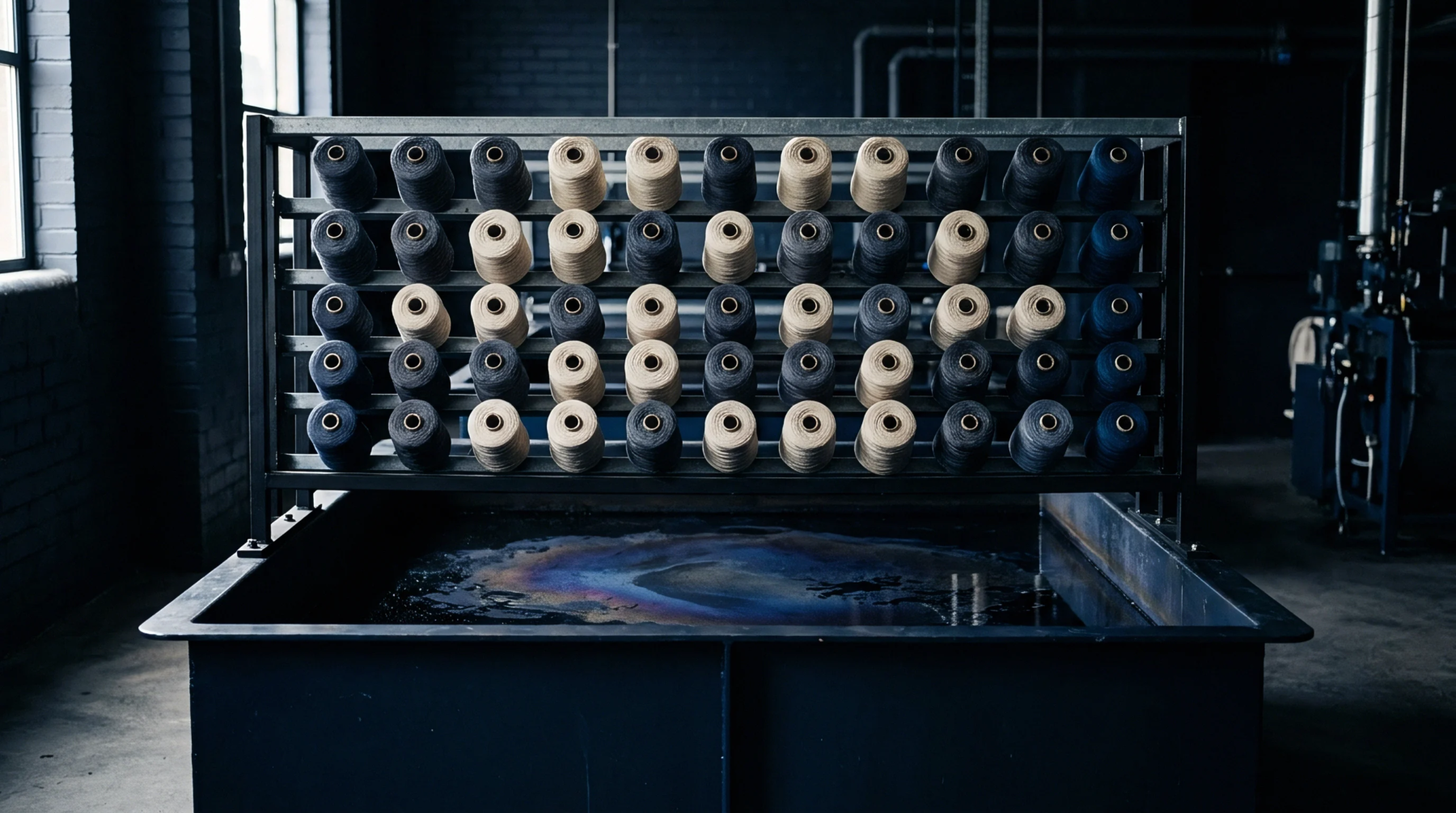
Resolving dyehouse chemical cross-contamination requires mandatory subcontractor registration, machine wash verification, and composite batch-level laboratory testing.

Electrospray ionization disparities in restricted amine retests stem from uncorrected matrix suppression, requiring stable isotope dilution for defensible audits.

Total organic fluorine combustion screening below 50 parts per million provides the only defensible import verification barrier for textile chemical compliance.

Cross-border textile retests succeed only when extraction solvents, vessel pressure, and clean-up phases match the precise standard cited in purchase terms.
Expertise is a utility, not a secret. sentiention™ publishes its working knowledge as open reference: intelligence layer covering the materials it sources, the markets it enters, and the reference that serves both.