Construction Density
A physical measurement defines the total number of loops in a given area of a knitted fabric. This stitch density is calculated by multiplying the number of courses per unit length by the number of wales per unit width. This value determines the weight, thickness and overall stability of the finished knitted textile.
Measurement Method
Technicians measure this value by counting the courses and wales within a specified square area using a counting glass or magnifying lens. Measurements are taken in several different areas of the fabric to calculate a reliable average. The fabric must be fully relaxed and laid flat during the counting process to ensure accuracy.
Structural Influence
Fabric with a higher loop concentration exhibits better dimensional stability and is less prone to distortion during garment assembly. Lower values result in an open, loose fabric that shrinks more easily when washed or dried. Knowing this parameter allows manufacturers to choose the correct sewing needle size and stitch type for garment assembly.
Process Verification
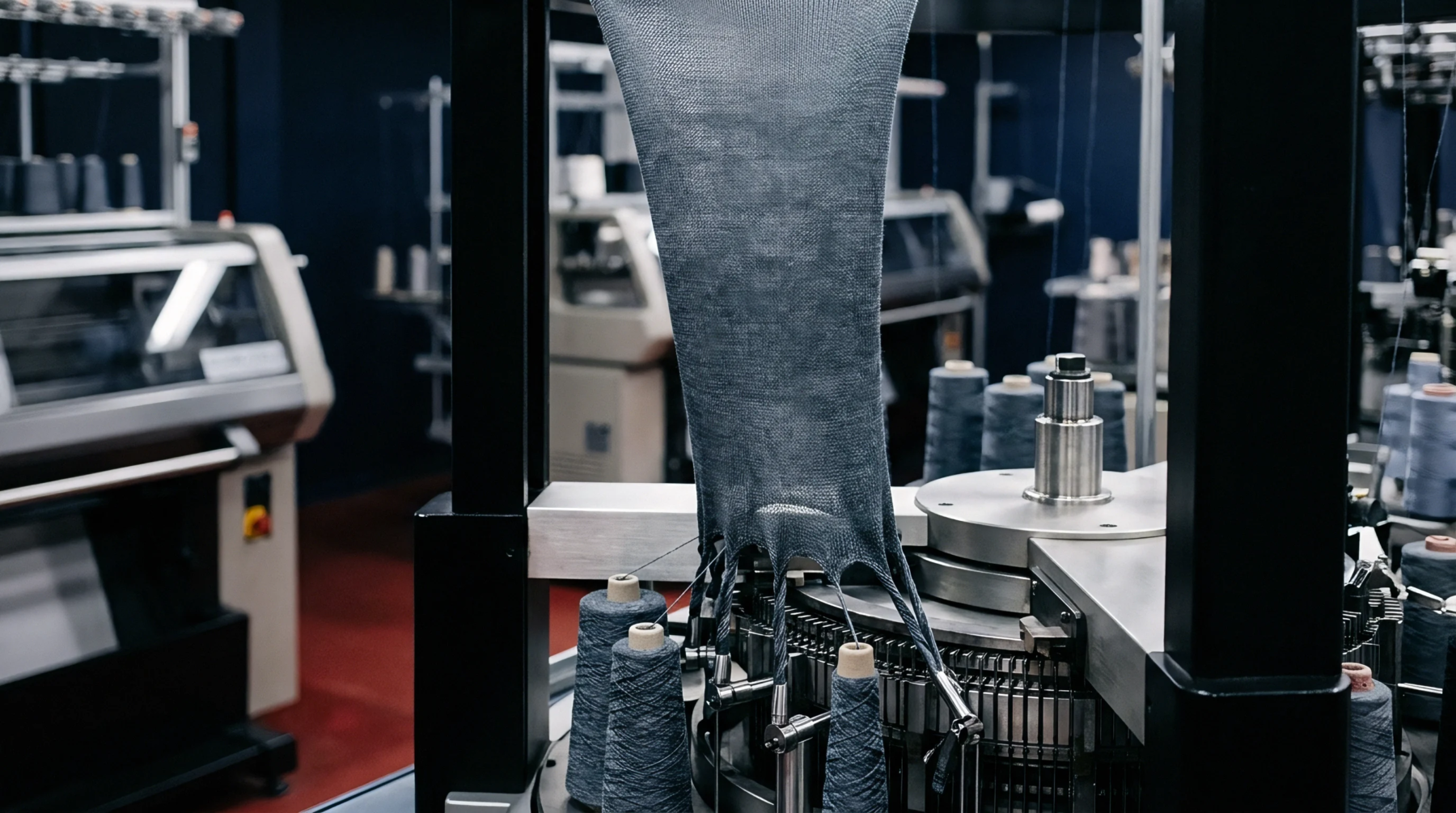
Knitting mills monitor this parameter during production to ensure consistency across different batches of fabric. Adjusting the yarn feed rate or the needle cam settings on the knitting machine changes the stitch density to match the customer specifications. Regular verification of this metric helps prevent variations in fabric yield and garment sizing, ensuring that all production lots meet the brand standards.