Predictive Stenter Overfeed Modeling and Contractual Yield Variance in Multi Factory Sourcing Routes
Predictive overfeed modeling converts machine feed speed into exact finished fabric mass, preventing yield penalties across multi-factory sourcing contracts.

Rail
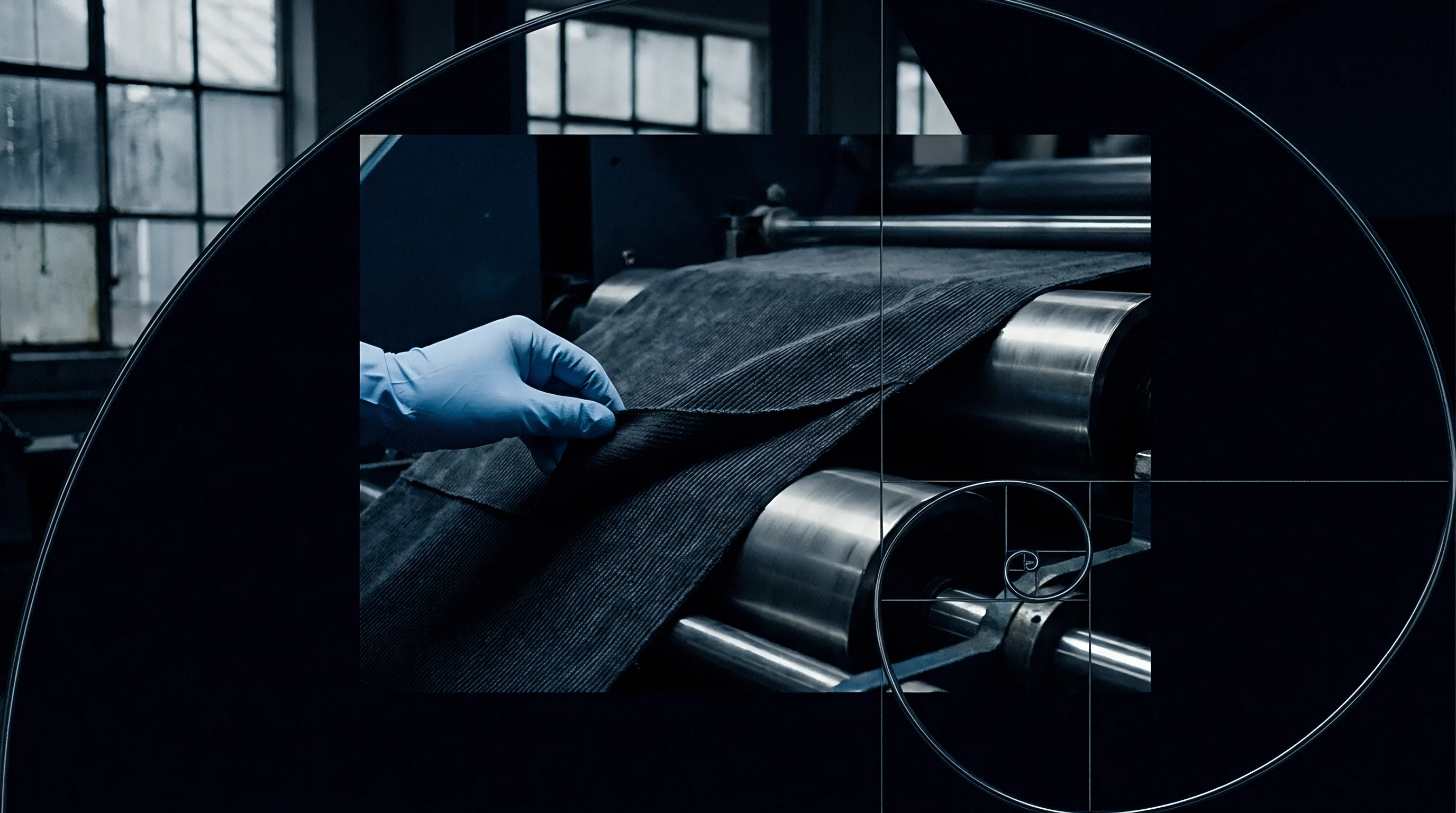
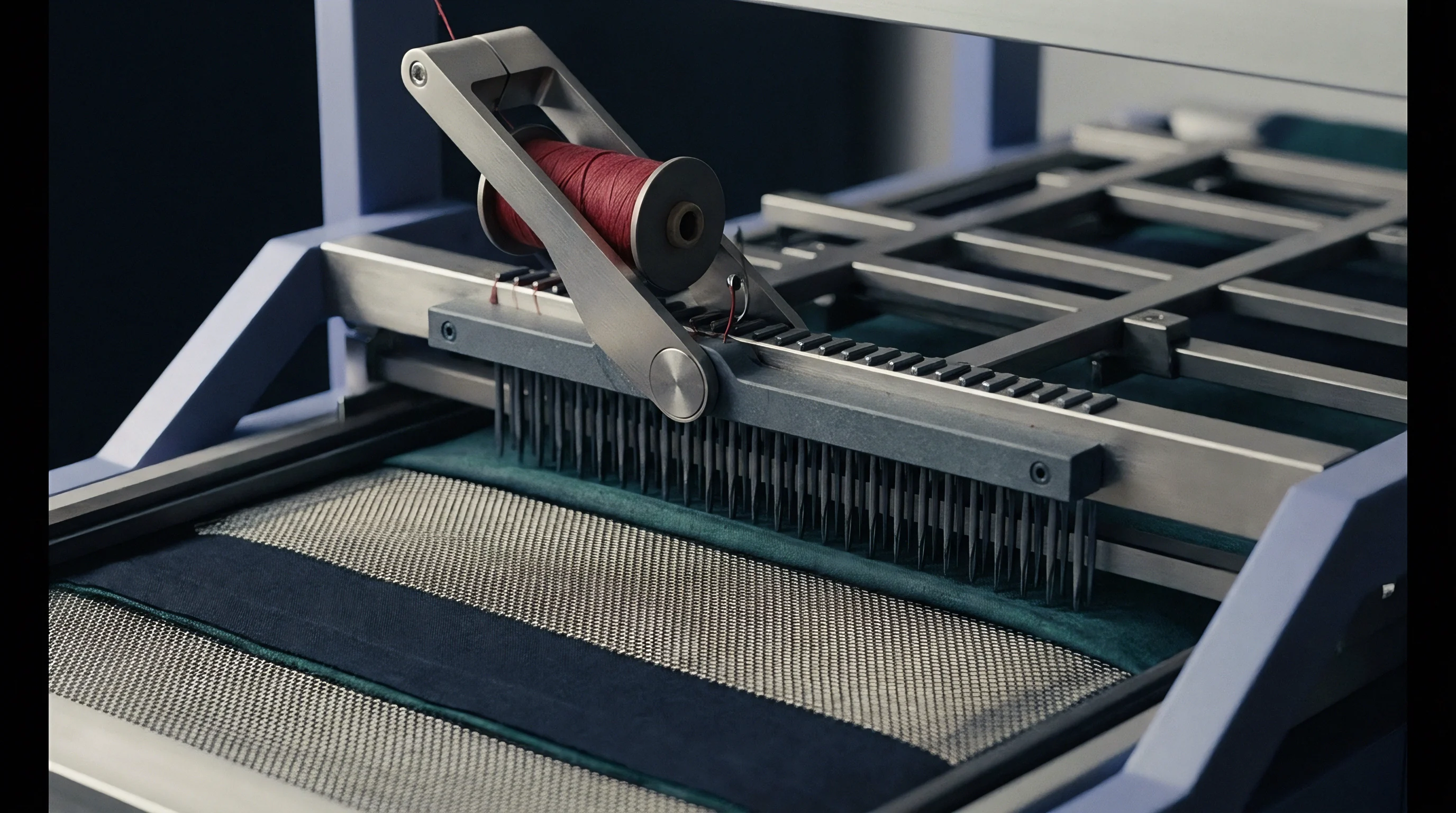
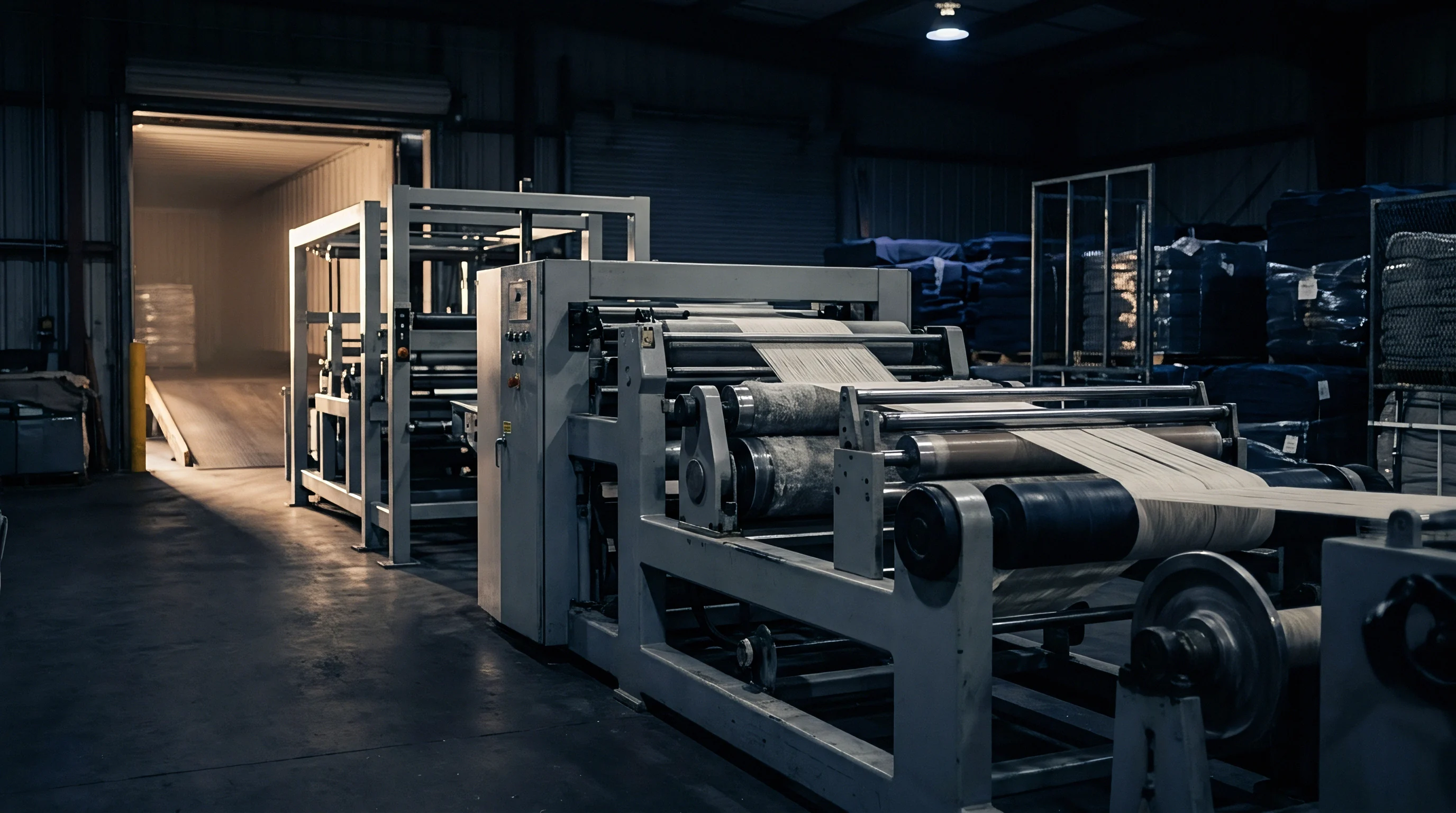
Continuous finishing machines rely on guided pin or clip chains to transport wet fabric through heating zones. Mechanical clip lines grip selvedges tightly, whereas pin chains penetrate the cloth, allowing positive longitudinal feed control. Physical entry systems feed fabric onto traveling pins at speeds higher than the main chain velocity.
Speed differential creates localized slack between individual pin points. Thermal heat transfer within drying zones then evaporates water, locking relaxed fiber configurations into place. Padders exert hydraulic nip pressure.
Machine entry tension dictates how effectively yarns absorb longitudinal overdelivery.
Lateral rail divergence sets the finished width while mechanical overfeed dictates length-wise crimp distribution. Excess tension on entering wet cloth locks residual stresses into warp yarns or knit courses. Subsequent laundering relieves these stored forces, producing dimensional shrinkage on finished garments.
Stenter drying chambers utilize high-velocity air nozzles to suspend and dry fabric simultaneously. Airflow velocity must balance across top and bottom nozzles to prevent fabric floating off pin plates. Dwell time inside heat setting zones determines whether synthetic fibers reach their glass transition temperatures for permanent set.
Excessive longitudinal overdelivery creates selvedge wave defects that jammed automated cutting tables downstream.

Mechanical Overfeed Dynamics and Chain Engagement
Speed differential between the feed rolls and the driving track forces extra fabric onto the pins. Feed rollers over-rotate relative to chain speed by a specified percentage, typically ranging from minus 5 percent to plus 40 percent. Positively driven brush wheels press selvedges onto pin plates across a defined contact arc.
Brush roller pressure dictates pin penetration depth. Inadequate pin engagement lets high-tension fabrics snap free inside drying chambers, generating width variations across roll lengths.
Chain wear alters pin spacing accuracy. Modern finishing frames utilize independent servo drives on overfeed rollers to maintain sub-percent speed control. Overfeed percentage directly controls thread density per centimeter in finished goods.
Higher overfeed values allow warp threads or knit loops to contract, increasing mass per unit area. Incorrect entry moisture levels compromise pin retention, causing diagonal distortion across the fabric body.
- Pin Misalignment occurs when feed brush assembly angle deviates from rail parallel, creating uneven selvedge tension and tearing pin holes during lateral expansion.
- Tension Spikes result from uneven overfeed roller surface wear, introducing periodic wave patterns into finished course densities.
- Thermal Degradation develops when chain lubricant migrates onto pin plates at temperatures exceeding 190 degrees Celsius, staining fabric margins.

Thermal Setting and Dwell Time Relationships
Heat transfer inside drying chambers dictates the rate of moisture removal and polymer stabilization. Thermal zones utilize gas burner systems or circulating hot oil exchangers to maintain target air temperatures within plus or minus 1 degree Celsius. Dwell time calculated as chamber length divided by chain speed determines thermal energy delivery to the wet mass.
Moisture sensors require precise calibration.
Evaporative cooling holds fabric temperature near 100 degrees Celsius until free water leaves the substrate. Once moisture drops below 5 percent, substrate temperature rises rapidly toward ambient chamber heat. Thermoplastic synthetic fibers require heat setting temperatures between 180 and 215 degrees Celsius to fix dimensional memory.
Inconsistent fan motor speeds create cross-web temperature gradients, causing yield variance from left to right selvedge.
Operating stenter rails without continuous monitoring of pin chain wear and temperature distribution leads to severe edge curling, width non-uniformity, and unrecoverable garment panel distortion during automated cutting operations.
Overfeed
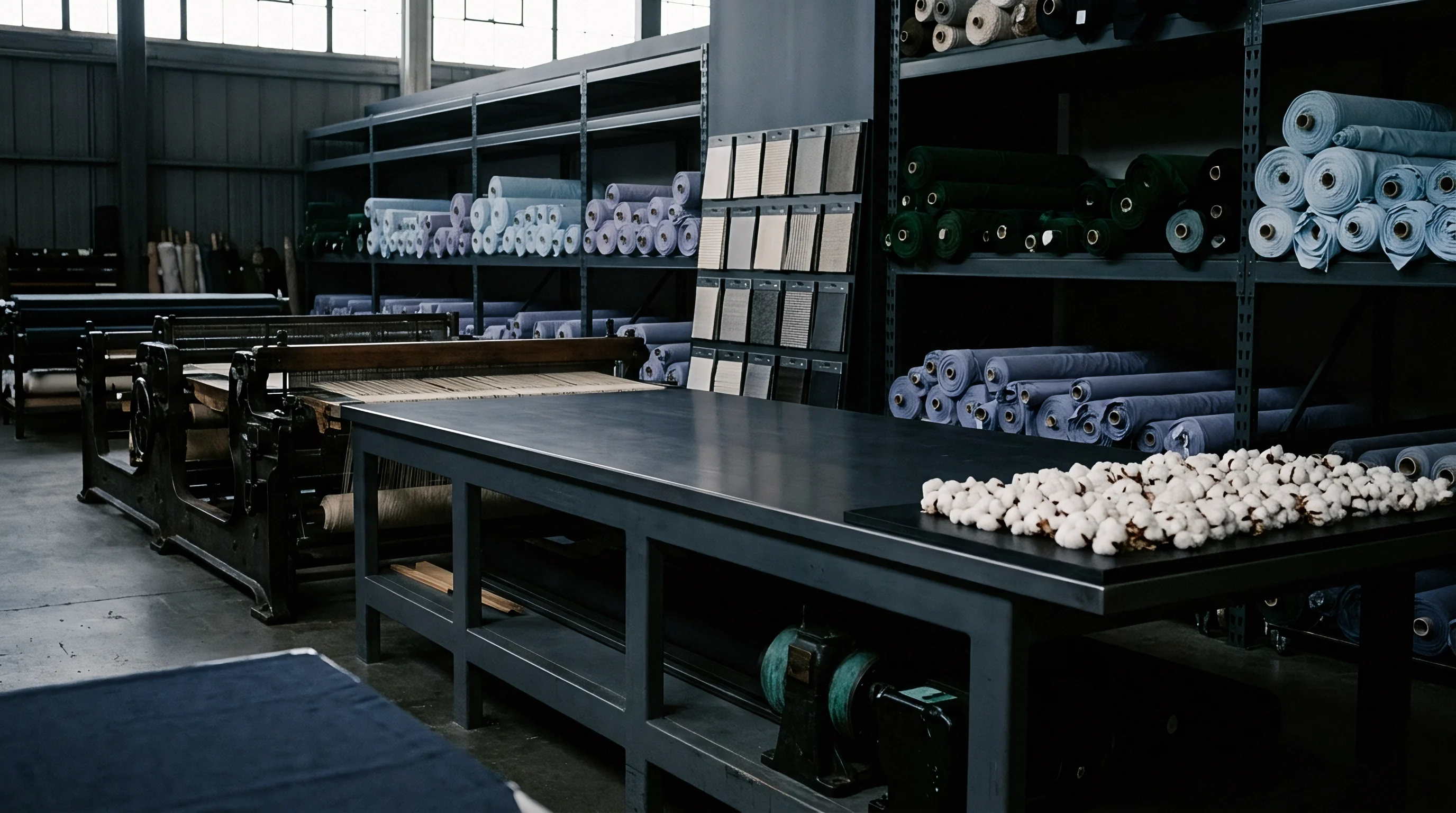
Longitudinal contraction during open-width drying alters both thread density and finished weight. Mechanical settings applied at the entry head establish the degree of mechanical relaxation imparted to warp yarns or knitted loops. Mass calculations hinge on structural crimp redistribution.
Yarn crimp absorbs linear contraction. Greige dimensions set initial bounds. When entry speed exceeds chain velocity, length shrinks while unit weight increases proportionally.
Damp cloth absorbs mechanical compression far more readily than dry material, making entry moisture content a governing variable.
Predictive overfeed models calculate target mass per unit area by balancing structural crimp gain against width contraction. Physical testing under ISO 3801 defines mass per unit area on conditioned test swatches. Adjusting stenter speed without recalibrating overfeed ratios shifts weight away from buyer specifications.
Fabric mass increases systematically as overfeed percentage elevates, provided chamber temperatures remain sufficient to set the compacted structure.
Mathematical Foundations of Longitudinal Overdelivery
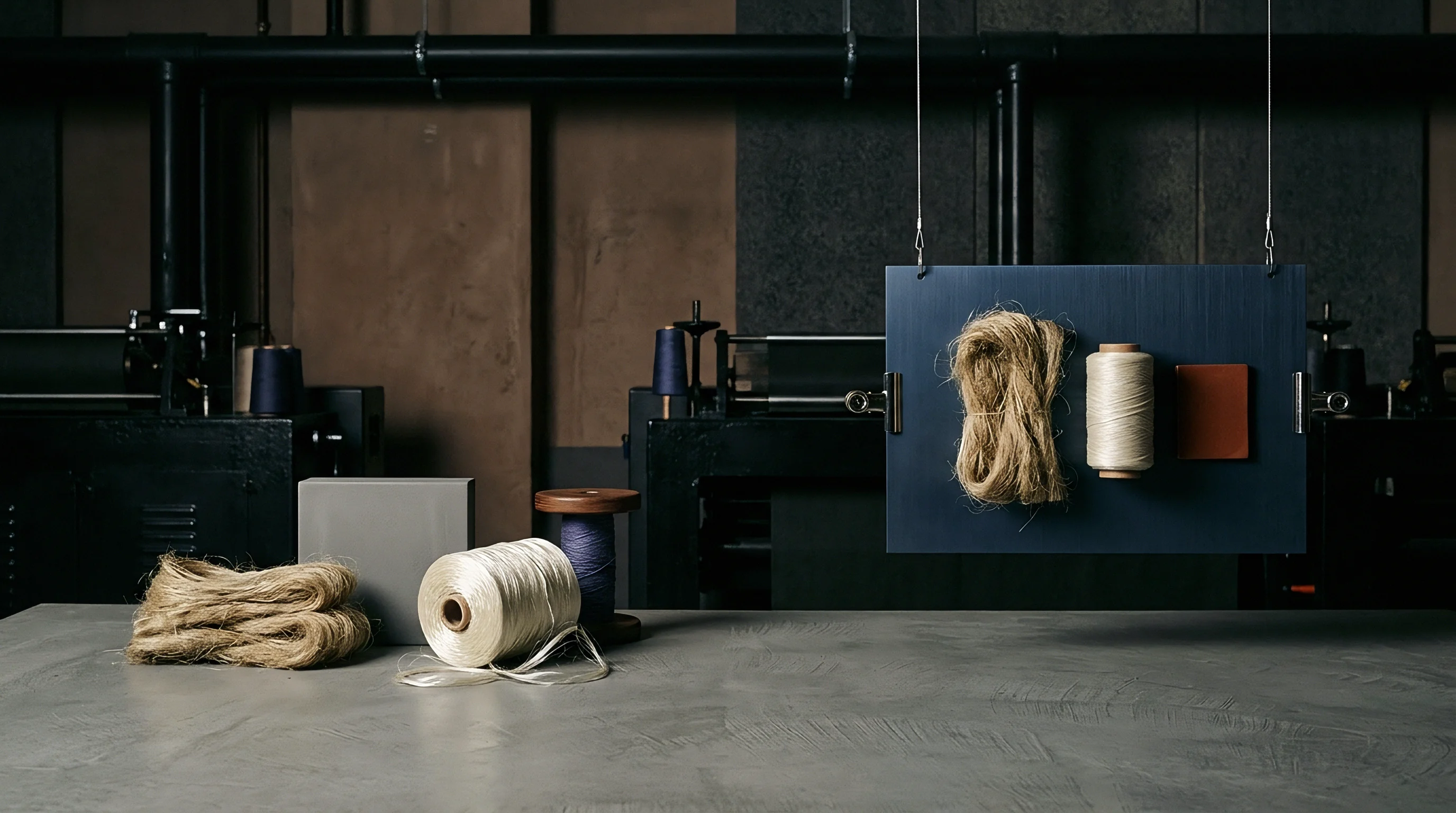
Predictive algorithms calculate dimensional changes by balancing yarn crimp against applied tension. Dimensional response equations rely on greige thread count, wet pick-up percentage, and target finished density. Linear mass retention follows precise physical proportions during thermal processing.
Equations model mass change using incoming greige linear weight, entry moisture content, lateral rail expansion ratio, and applied overfeed percentage.
Width drives area mass calculations. Expanding stenter rails laterally reduces length-wise mass density gains achieved through overfeed. Mathematical models account for bi-axial strain interactions within the drying chamber.
Elastic recovery forces in elastomeric knits require non-linear overfeed scaling to offset high elastic draft at padder nips.
| Overfeed Setting (%) | Finished Width (cm) | Finished GSM (g/m²) | Residual Shrinkage ISO 5077 (%) | Linear Yield (m/kg) |
|---|---|---|---|---|
| +5.0 | 175 | 162 | -8.5 | 3.52 |
| +10.0 | 175 | 171 | -5.2 | 3.34 |
| +15.0 | 175 | 180 | -2.8 | 3.17 |
| +20.0 | 175 | 188 | -1.1 | 3.04 |

Mass per Unit Area and Crimp Redistribution
Grammage increases as weft yarns crowd closer together along the length axis. Yarn crimp redistributes from warp to weft or vice versa depending on tension ratios maintained inside the chamber. ISO 3801 test methods specify specimen conditioning at 20 degrees Celsius and 65 percent relative humidity for 24 hours prior to weighing.
Unconditioned weights corrupt yield calculations.
Chemical finishes modify structural relaxation behavior. Softening agents decrease fiber-to-fiber friction, enabling yarns to slip into tighter crimp configurations during mechanical overfeeding. Resins lock fiber structures, preventing subsequent expansion or relaxation.
Weight checks follow standard conditioning.
Mass per unit area increases by 4.2 percent when stenter overfeed moves from 3 percent to 8 percent on a 200 GSM cotton single jersey.
Predictive overfeed models demand verified input parameters to generate valid machine settings for specific target weights:
- Greige Crimp Ratio defines baseline yarn reserve available for mechanical compaction during wet processing.
- Resin Pick Up Percentage establishes chemical crosslinking mass added to dry fabric weight prior to stenter entry.
- Target Finished Mass specifies required weight per square meter mandated in purchasing contracts.
- Chamber Dwell Duration determines minimum thermal exposure time needed to permanently fix structural relaxation.
High overfeed settings applied to lightweight substrates cause fabric buckling on pin tracks, creating wavy selvedges that resist flat folding.

Relaxation
Woven and knitted structures store internal strain imposed by yarn spinning, weaving, and wet treatment. Hydropholic fibers swell in water, releasing stored mechanical strain. Wet processing releases these strains, allowing filaments to recoil toward equilibrium geometry.
Steam relaxed the tensioned yarns. Standard testing under ISO 5077 measures dimensional change after specified washing and drying procedures. Stenter overfeed provides the mechanical mechanism to induce structural relaxation before cutting and sewing operations occur.
Continuous relaxation requires adequate moisture, thermal energy, and spatial freedom. If tension persists during drying, fabric retains potential energy that manifests as garment shrinkage later. Inter-factory processing routes compound relaxation variances due to machine design differences.
Open-width finishing lines across separate plants operate with distinct air distribution geometry and rail chain dynamics.

What Governs Overfeed Limits in Continuous Finishing?
Machine physical geometry and fiber elasticity establish the boundary where excess cloth buckles on the pins. Maximum overfeed capacity depends on fabric structural weight, weave tightness, and moisture content upon entering the pin zone. Lightweight plain weaves buckle at overfeed settings above 8 percent, while heavy double knits accept overfeed values up to 35 percent without surface distortion.
Steam fields located prior to the pin entry assist in fiber swelling and strain relief. Steam pressure and distribution uniformity control localized fabric plasticity. Insufficient steaming forces dry yarns onto pins, resulting in mechanical pin hole tears when overfeed force exceeds material shear resistance.
High-speed cameras monitor entry ripples to detect physical stability limits.
Inter-Factory Machine Calibration Discrepancies
Variances in pin track maintenance, airflow velocity, and speed sensor accuracy create divergent physical results across separate finishing plants. A 10 percent overfeed setting on an aging mechanical drive stenter rarely yields identical structural relaxation to the same nominal setting on a modern direct-drive servo machine. Tachometer drift introduces invisible speed offsets.
Lab dip settings rarely match bulk speed.
Air nozzle clogging creates uneven heat distribution across the drying bay width. Subcontract finishing plants operating uncalibrated temperature sensors output fabric with variable residual shrinkage despite identical overfeed targets. Standardizing machine parameters across multi-factory sourcing routes requires independent calibration of speed controllers, temperature probes, and exhaust humidity sensors.
When questioned about out-of-spec shrinkage figures on bulk deliveries, finishing plant managers typically claim that incoming greige yarn tension variations rendered the contracted overfeed targets unworkable on their production lines.

Routing
Distributing greige production, dyeing, and garment assembly across separate facilities introduces cumulative yield loss points. Subcontract routes transfer material between independent corporate entities. Multi-factory logistics involve handling, moisture absorption variations, and physical re-rolling steps.
Transit humidity changes alter fabric weight and dimensions. Toll processing contracts define mass balances, but physical verification remains difficult across multi-stage international supply chains.
Linear yield dictates unit garment costs. Conversion losses occur at each machine interface. Greige weavers output rolls optimized for loom efficiency, often leaving high residual tension.
Subcontract dyehouses focus on shade matching and speed, sometimes stretching fabric on stenter frames to meet short-term meterage targets. Garment factories subsequently receive rolls that contract upon unrolling, causing yield shortfalls against marker planning assumptions.
| Production Route Stage | Primary Facility Location | Process Applied | Mass Loss / Gain (%) | Cumulative Yield Variance (%) |
|---|---|---|---|---|
| Stage 1: Weaving / Knitting | Mill A (Greige Origin) | Structural Fabrication | Baseline (0.0) | 0.0 |
| Stage 2: Preparation & Dyeing | Mill B (Dyehouse) | Scour, Bleach, Jet Dye | -3.5 (Scour Loss) | -3.5 |
| Stage 3: Stenter Finishing | Mill C (Finishing Plant) | Resin Finish & Overfeed | +2.1 (Resin Mass) | -1.4 |
| Stage 4: Transit & Storage | Logistics Warehouse | Moisture Conditioning | +1.8 (Regain) | +0.4 |
| Stage 5: Garment Cutting | Factory D (Cut & Sew) | Spreading & Relaxation | -2.2 (Relaxation Loss) | -1.8 |
Multi Mill Finishing Sequences and Yield Losses
Transporting semi-processed goods between independent finishing lines subjects rolls to unmonitored humidity shifts. Fabric rolls wound under excessive tension at the dyehouse store physical strain that dissipates slowly during transit. Weight measurements taken immediately after stenter exiting differ from measurements recorded at destination ports due to moisture equilibrium adjustments.
Linear loss happens during open-width shearing, slitting, and stenter trimmings. Edge trimming removes selvedges damaged by stenter pins, reducing usable fabric width by 2 to 5 centimeters. Multi-factory contracts must assign clear responsibility for width losses resulting from aggressive pinning or wide rail expansion settings.
Converters track greige invoice weights while garment factories audit received linear meters.

Tolling Structure and Mass Balance Tracking
Commercial agreements for outsourced processing establish mass accountability standards across contract boundaries. Tolling structures charge per processed meter or kilogram, creating divergent incentives between converters and plant operators. Dyehouses paid by the meter tend to stretch fabric longitudinal length, minimizing overfeed to maximize billable output.
Conversely, converters buying by weight and selling by meter suffer direct financial margin loss when fabric is over-stretched and under-weight.
Tolling contracts assign mass losses. Audit procedures require weigh scale integration at every dispatch and receiving dock across the supply network. Standard moisture regain calculations convert gross scale weights into bone-dry fiber masses plus official regain allowances according to ISO 6741 standards.
Multi-factory transfer documentation must incorporate specific verified metrics to trace fabric mass stability throughout transit:
- Moisture Regain Certificates document percentage water content measured via optical or capacitive probes at dispatch.
- Tare Weight Logs record precise roll core mass and packaging material weight to prevent gross mass distortion.
- Linear Meterage Records confirm actual roll lengths verified by calibrated wheel encoders under zero tension.
Can predictive overfeed modeling deployed at primary finishing mills completely eliminate contractual yield discrepancies when semi-finished fabrics cross international borders through unconditioned logistics channels?

Dispute
Commercial friction arises when received linear yardage fails to match contractually projected garments per roll. Discrepancies between approved lab swatches and bulk shipments stem from improper overfeed application during finishing. Weight shortfalls force apparel manufacturers to lay more markers or purchase additional fabric to meet garment order volumes.
Financial adjustments depend on clear standard test methods and legally enforceable yield tolerance language inside purchase contracts.
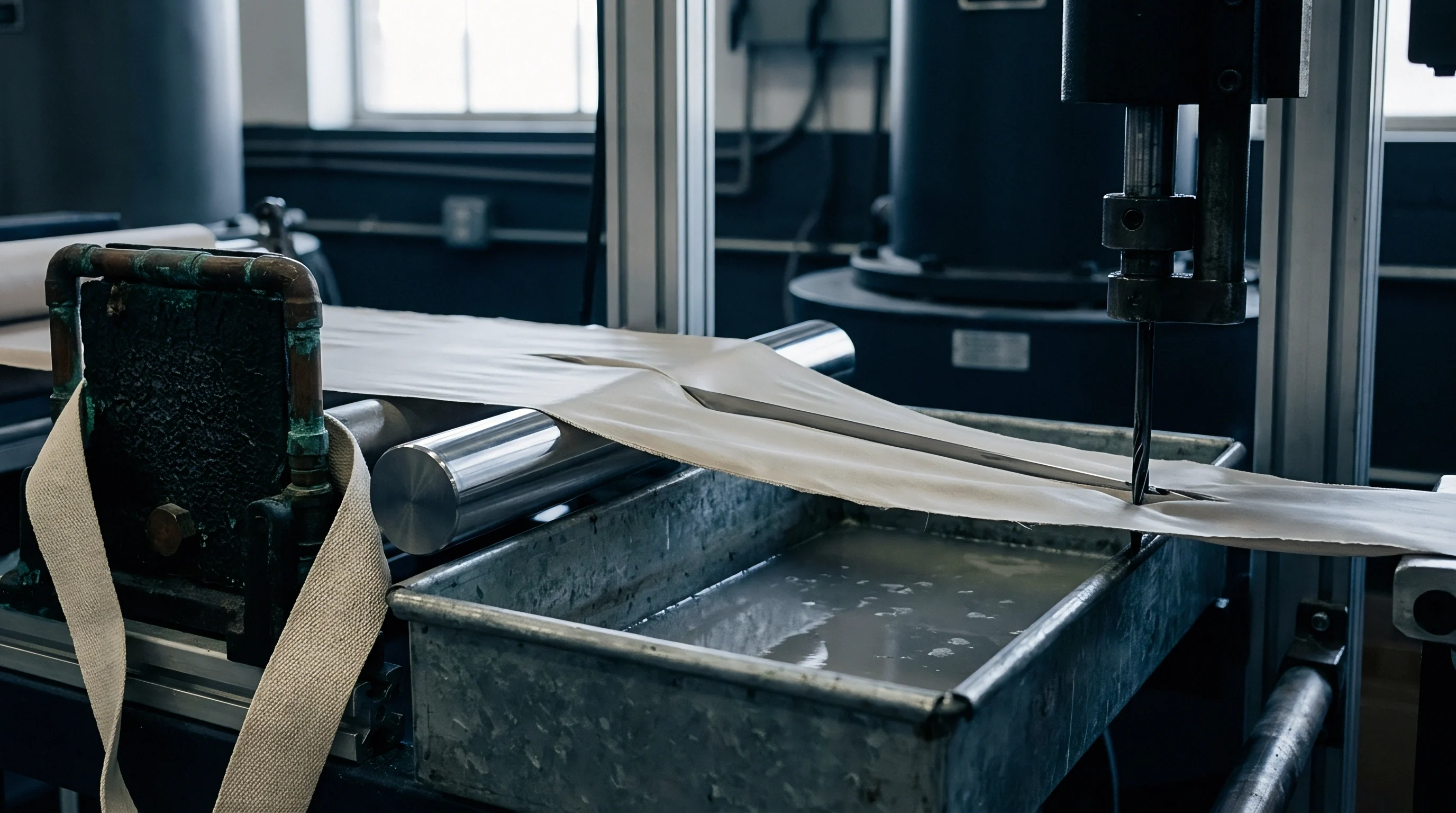
Legal claims rely on standard test protocols including ASTM D3776 for mass per unit area and ISO 5077 for dimensional stability. When bulk fabric delivers low GSM combined with high laundering shrinkage, the finishing plant has over-stretched the material on the stenter frame. Resolving yield claims requires joint audits of mill production logs, stenter machine telemetry, and raw test data from independent accredited testing laboratories.
ISO 5077 dimensional stability testing invalidates yield claims when fabric conditioning fails to maintain 20 degrees Celsius and 65 percent relative humidity.
Contractual Tolerance Bands and Commercial Exposure
Buying contracts set quantitative boundaries for allowable mass and width deviations. Standard commercial terms allow plus or minus 3 percent variance on target GSM and plus or minus 2 percent on cuttable width. Deviations exceeding these bands trigger price penalties or lot rejections.
Overfeed modeling allows finishing mills to hit narrow mass targets reliably, reducing commercial risk exposure.
| Variance Tier | GSM Deviation (%) | Residual Shrinkage ISO 5077 | Commercial Action / Settlement Adjustment |
|---|---|---|---|
| Tier 1 (Compliant) | Within ± 2.5 | Warp | Full payment; no commercial adjustment applied. |
| Tier 2 (Minor Out-of-Spec) | ± 2.6 to ± 5.0 | Warp 3.1% to 5.0% | Debit note issued for proportional linear meterage shortfall. |
| Tier 3 (Major Out-of-Spec) | ± 5.1 to ± 8.0 | Warp 5.1% to 7.5% | Surcharge applied to finisher; mandatory garment maker allowance. |
| Tier 4 (Critical Failure) | Greater than ± 8.0 | Warp > 7.5%, Weft > 5.0% | Full lot rejection; finisher reimburses greige and transit costs. |
Claims Verification and Sampling Frameworks
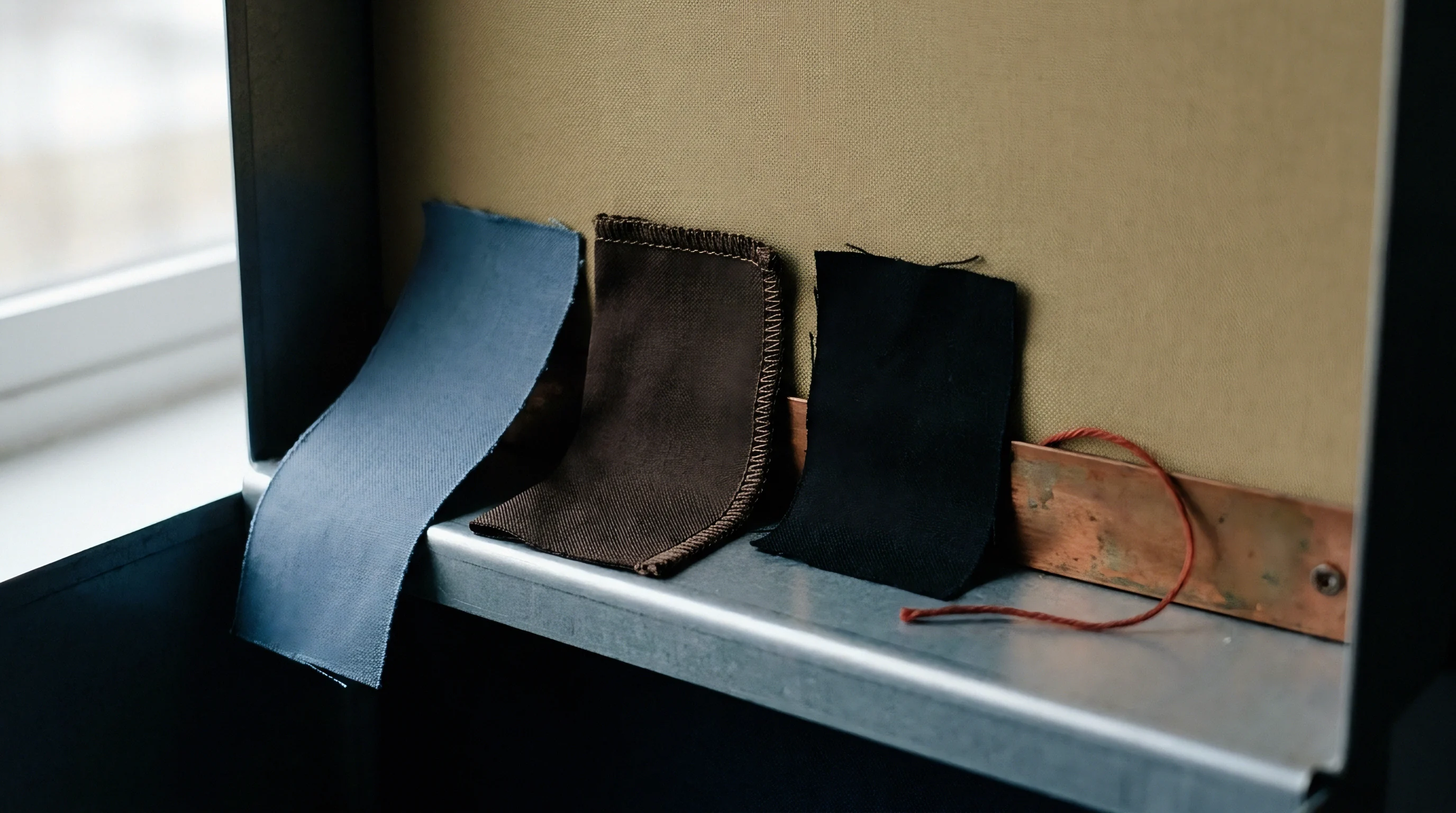
Standardized inspection protocols provide objective evidence when finished goods fall outside operational limits. Sampling schedules follow ISO 2859-1 procedures to ensure statistically sound sampling across bulk roll shipments. Independent sampling prevents biased selection from damaged roll exteriors or outer shipment cartons.
Verification protocols require testing samples in conditioned states. Deviations caused by transit moisture gain or loss vanish once specimens reach moisture equilibrium under ISO 139 standard atmosphere settings. Verification sampling must follow a rigid sequence to settle commercial yield disputes without bias:
- Select 10 percent of delivered rolls randomly across the shipment lot using ISO 2859-1 inspection tables.
- Unroll specimens fully and condition flat for 24 hours at 20 degrees Celsius and 65 percent relative humidity.
- Cut full-width swatches 1 meter from roll ends to eliminate entry/exit stenter distortion effects.
- Perform mass per unit area measurements per ISO 3801 across left, center, and right template cutouts.
- Calculate mean mass, cuttable width, and linear yield per kilogram across all sampled rolls.
- Compare calculated yield figures against purchase order specifications and contract tolerance tiers.
Standard master purchase agreements state that fabric delivering mass per unit area below contractual minimums while exceeding maximum allowable wash shrinkage entitles the buyer to reject the non-conforming lot at the seller’s expense.


Settlement
Financial reconciliation closes the gap between estimated yield projections and actual mill deliveries. Commercial engineers calculate final landed garment costs by integrating physical fabric properties with total route expenditures. Stenter overfeed modeling supplies the technical foundation for setting realistic financial yield targets before issuing purchase orders.
Accurate modeling prevents costly post-delivery price disputes and debit note negotiations across complex sourcing networks.

Yield Reconciliation Models for Distributed Supply Chains
Integrated cost models translate physical dimensions into final landed garment metrics. Linear fabric consumption correlates directly with finished width and dimensional stability after washing. When finishing mills optimize overfeed to meet shrinkage targets, linear yield per tonne of yarn drops, raising raw material costs per linear meter while protecting garment marker efficiency.
Finishing facilities operating predictive stenter models provide buyers with verified machine logs detailing actual pin chain speeds, overfeed percentages, and zone temperatures for every production batch. Digital telemetry logs serve as physical certificates of compliance accompanying shipping manifests. Supply chain partners utilize shared yield reconciliation models to allocate financial responsibility for weight and meterage variances transparently, ensuring landed garment unit costs remain aligned with initial commercial projections across multi-factory sourcing operations.