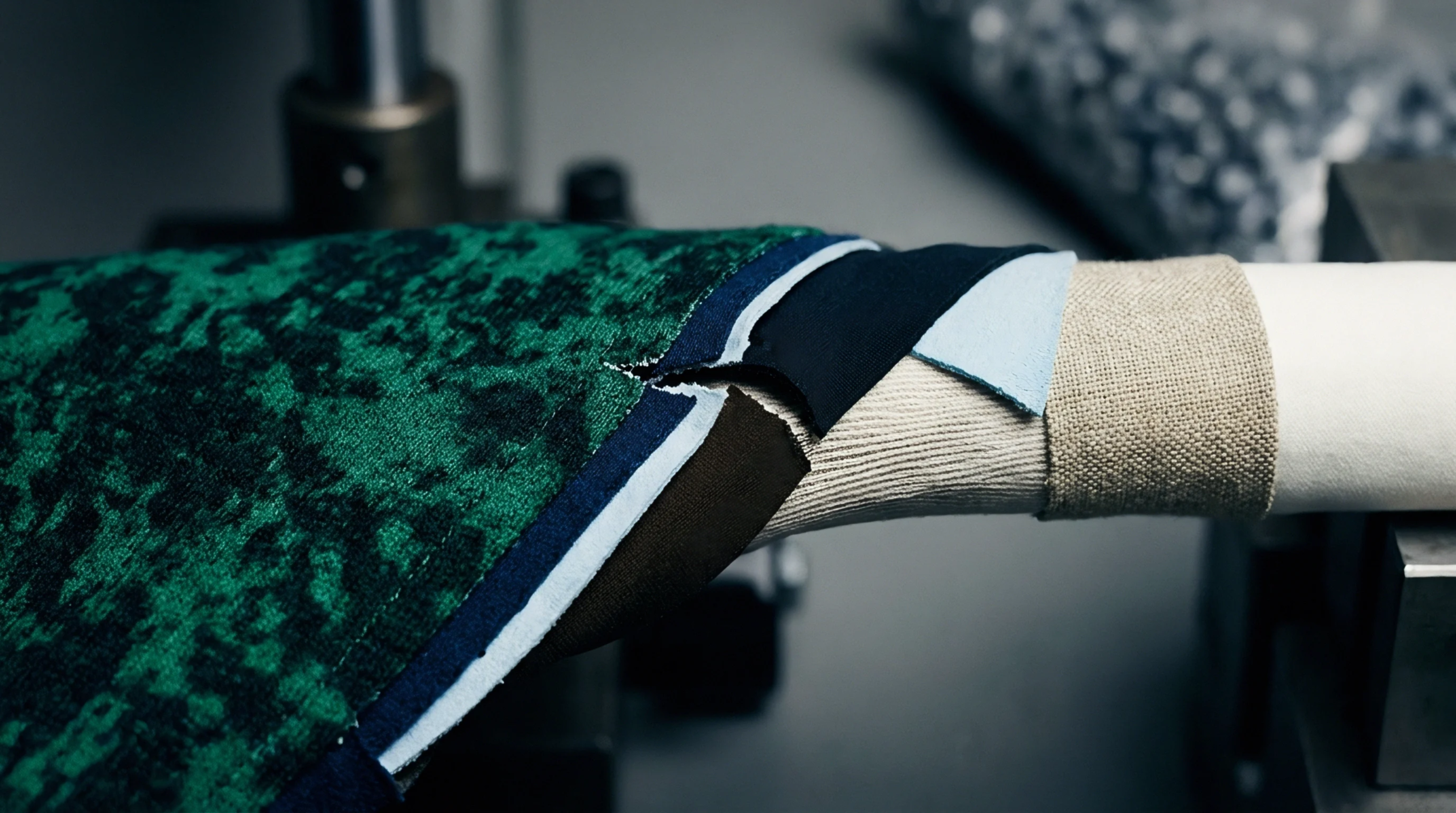
Optical Attenuation Correction for Inline near Infrared Textile Sensors
Optical attenuation correction in inline NIR textile sensors eliminates moving web scatter artifacts to deliver reliable real-time fibre composition analysis.
Optical attenuation correction in inline NIR textile sensors eliminates moving web scatter artifacts to deliver reliable real-time fibre composition analysis.

Statutory moisture regain tables alter dry laboratory mass into distinct legal percentages across customs regimes, moving tariff codes near chief-weight cliffs.
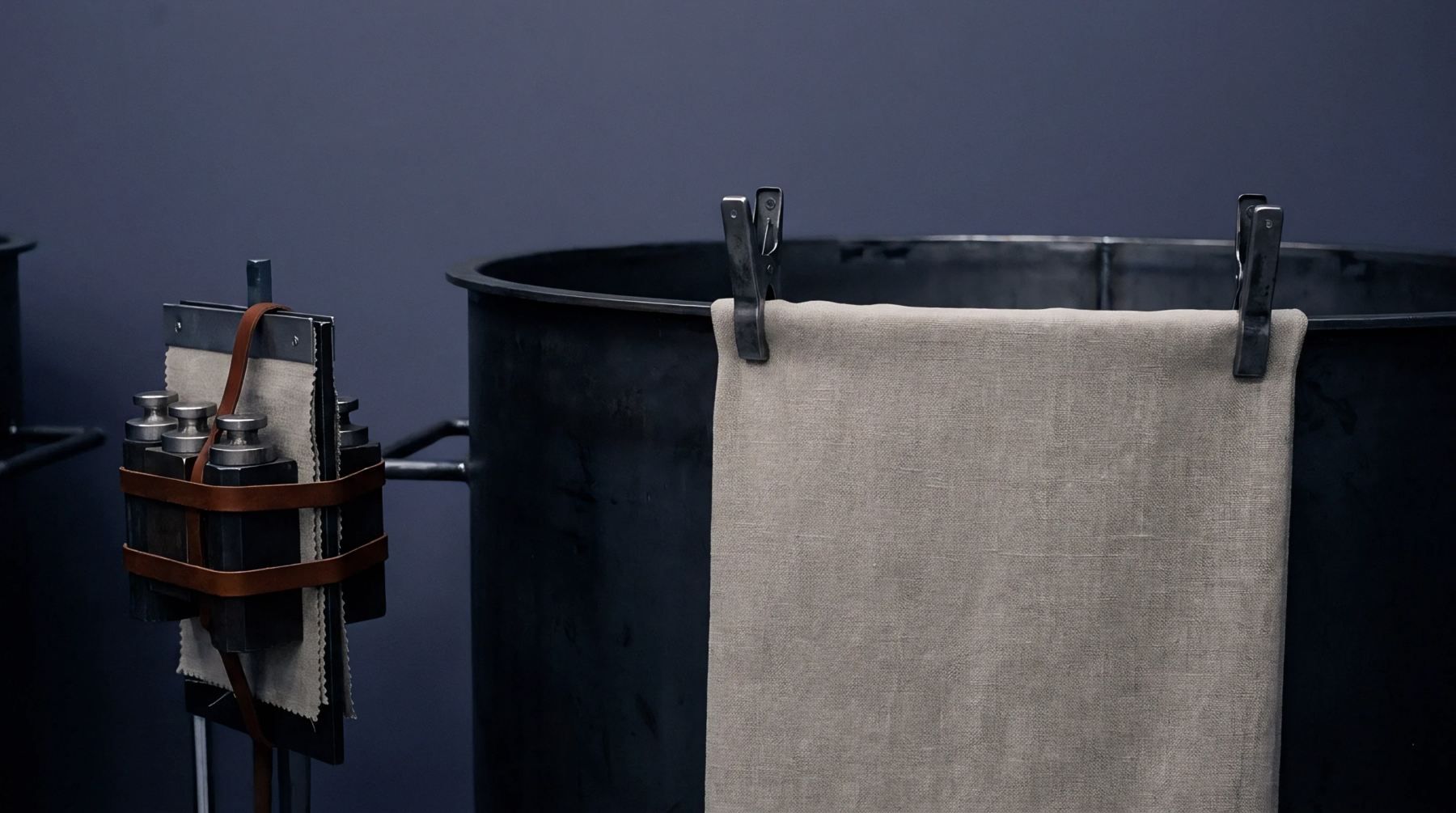
Reconciling laboratory chemical composition with landed weight requires converting oven-dry chemical ratios into commercial mass using official moisture regains.

Chemical dissolution isolates synthetic residues while statutory moisture regain corrections shift dry gravimetric yields across customs chief-weight lines.
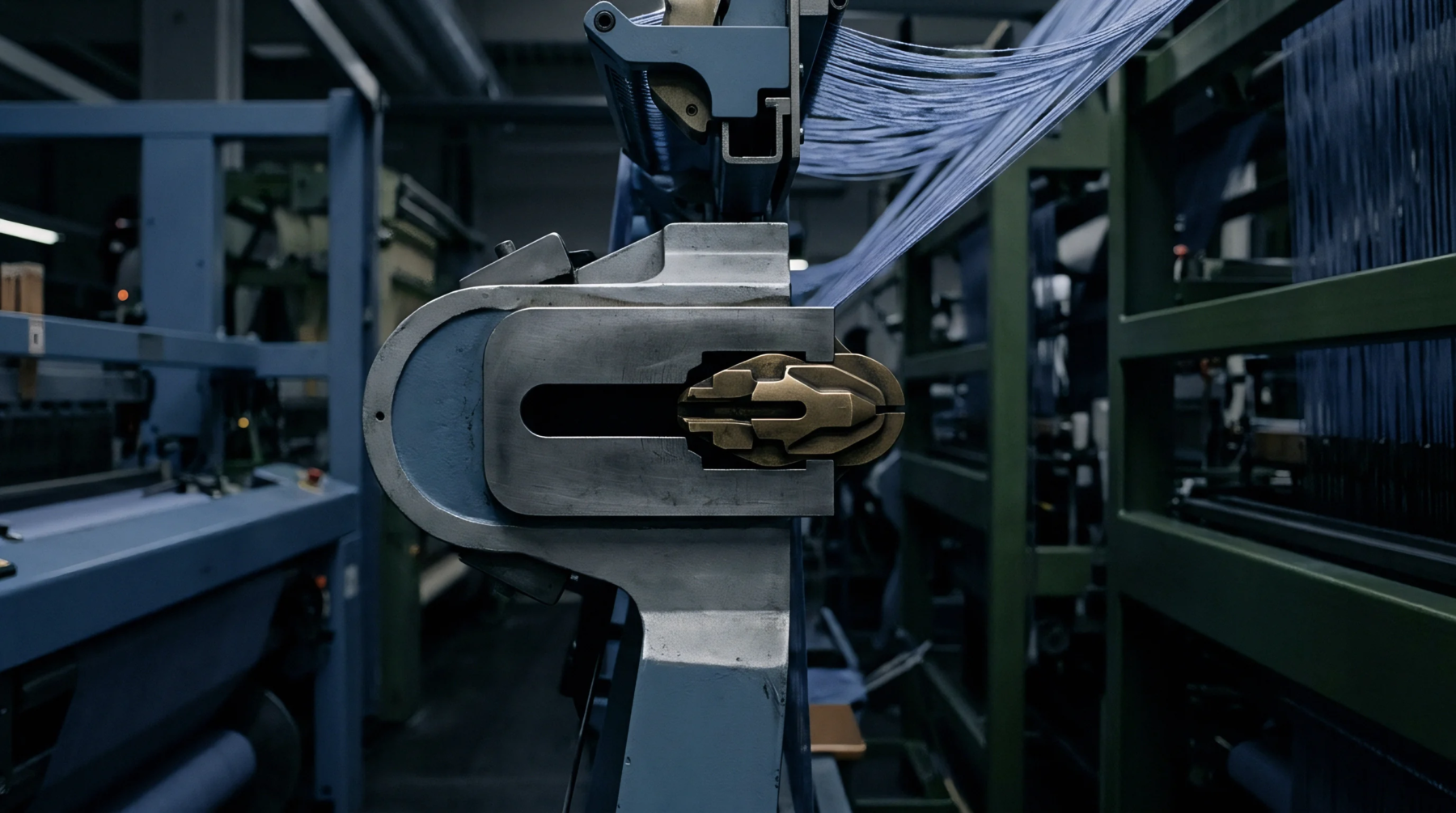
Commercial moisture regain converts oven-dry yarn weight into invoiced mass using standardized moisture percentages and finish allowances under ISO 6741.

Commercial textile blend ratios require adjusting clean oven dry masses with statutory moisture regain rates to ensure accurate legal customs declarations.

Standard chemical separation of cotton polyester yarns uses 75% sulfuric acid dissolution with gravimetric recovery corrected for commercial moisture regain.
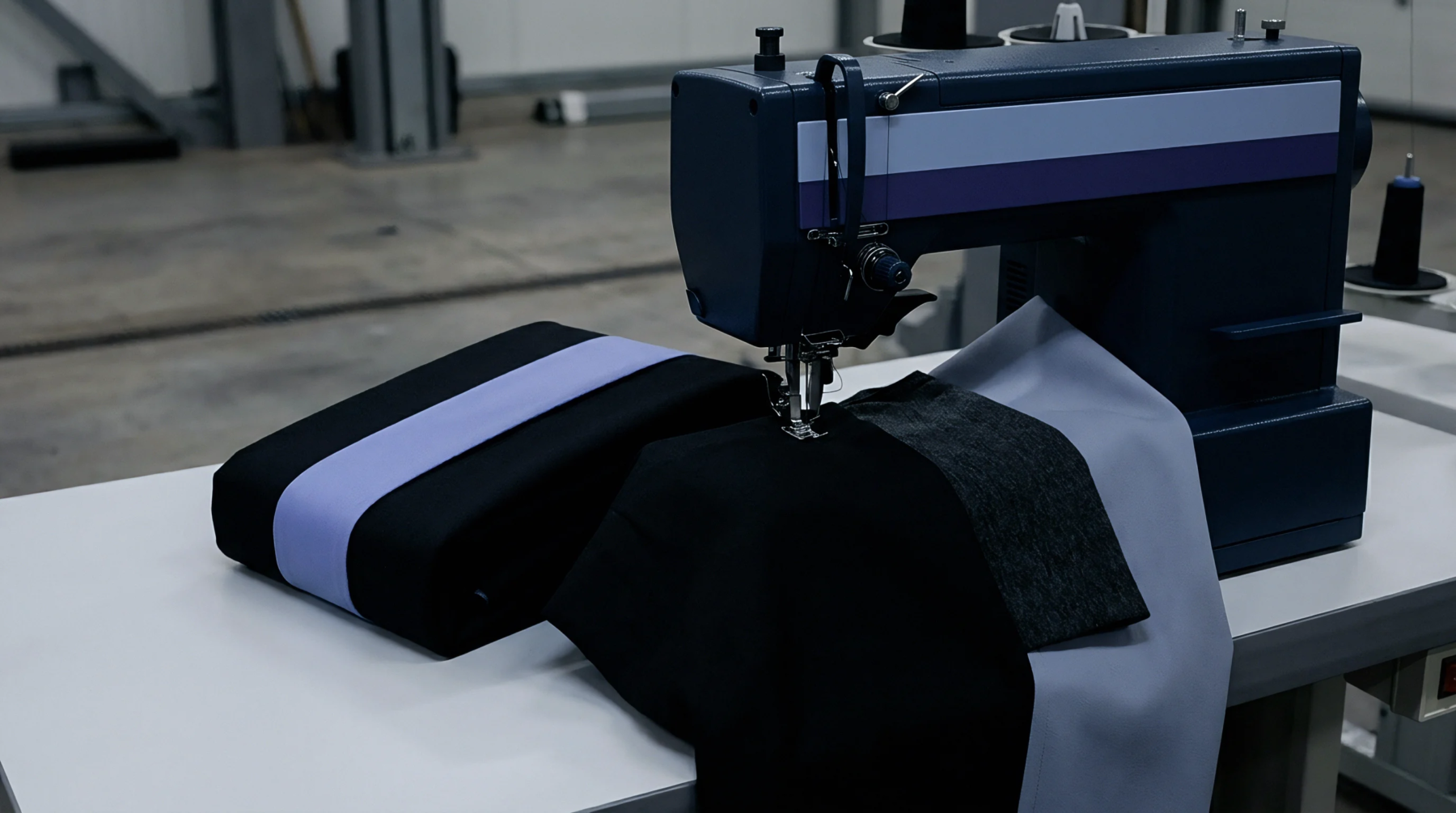
Align customs entries with physical net scale weight while stating ISO 6741 regain calculations on commercial invoices to prevent chief weight misdeclaration penalties.
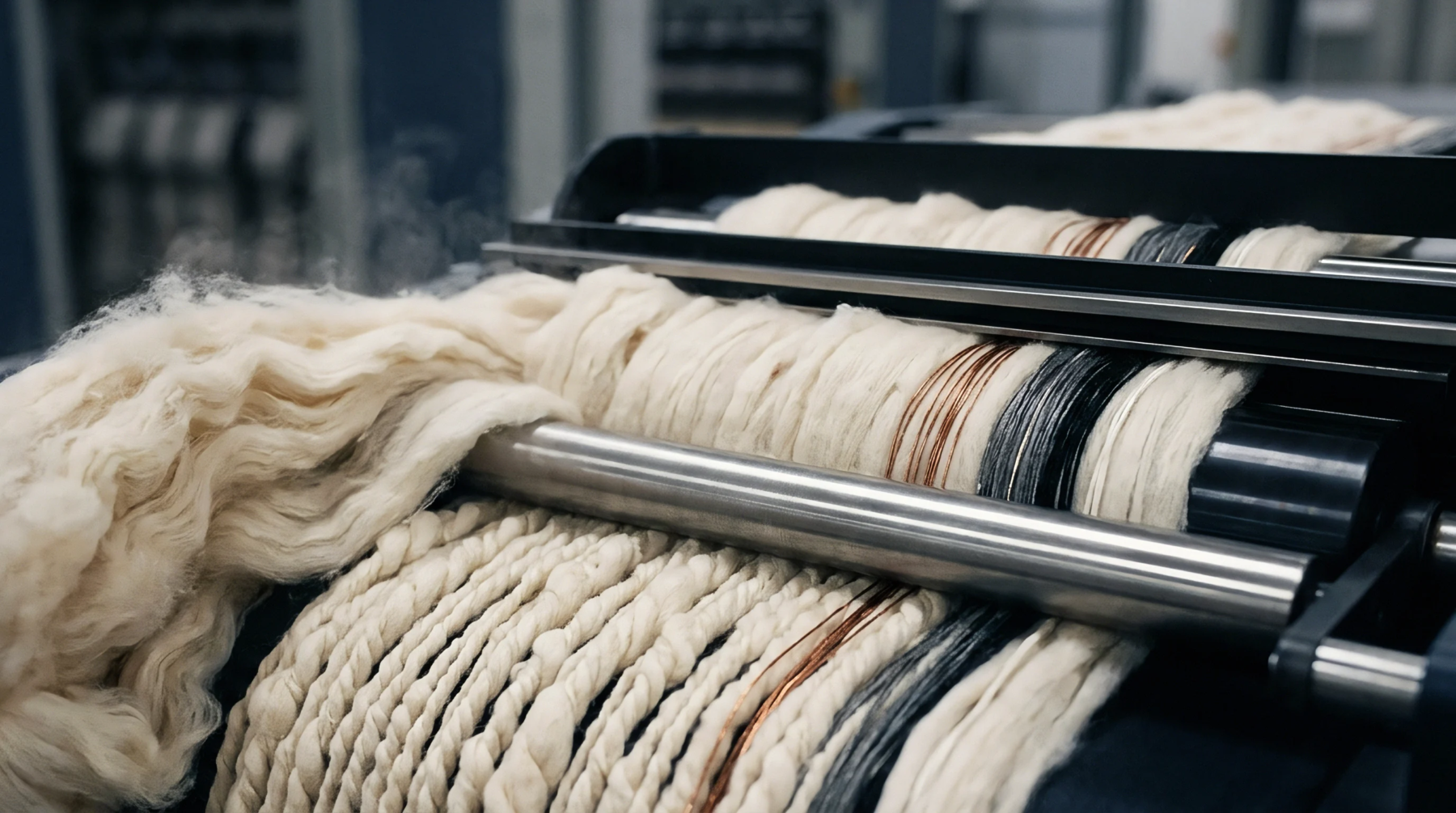
Mechanical opening separates cotton and polyester blends when differences in fiber density, crimp, and friction cause differential transport and waste drop.

Commercial regain corrections convert oven-dry laboratory residue masses into legal billed weights to prevent customs penalties and tariff misclassification.
Expertise is a utility, not a secret. sentiention™ publishes its working knowledge as open reference: intelligence layer covering the materials it sources, the markets it enters, and the reference that serves both.