
Calculating Loom Reed Width and Warp End Density for Plain Weaves
Derive loom reed width by compounding greige take-up and wet finishing contraction percentages onto target cuttable width while balancing dent air space ratios.
Derive loom reed width by compounding greige take-up and wet finishing contraction percentages onto target cuttable width while balancing dent air space ratios.
Determining loom reed denting plans for high-density weaves requires balancing target ends per centimetre against open air space ratio to prevent beat-up binding.
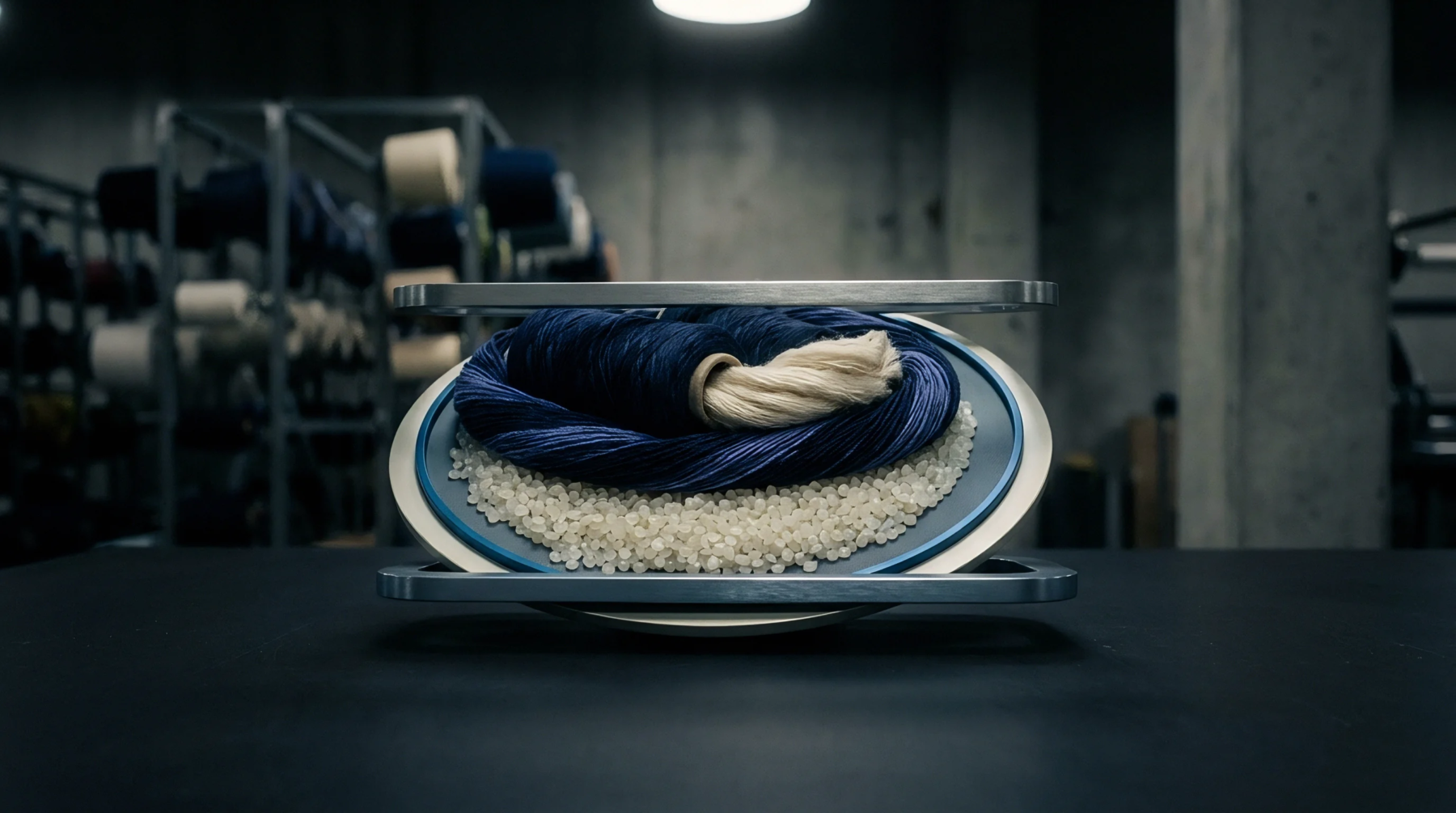
Determining required loom reed width requires converting unraveled weft yarn takeoff data into take-up fractions and adding wet processing shrinkage allowances.
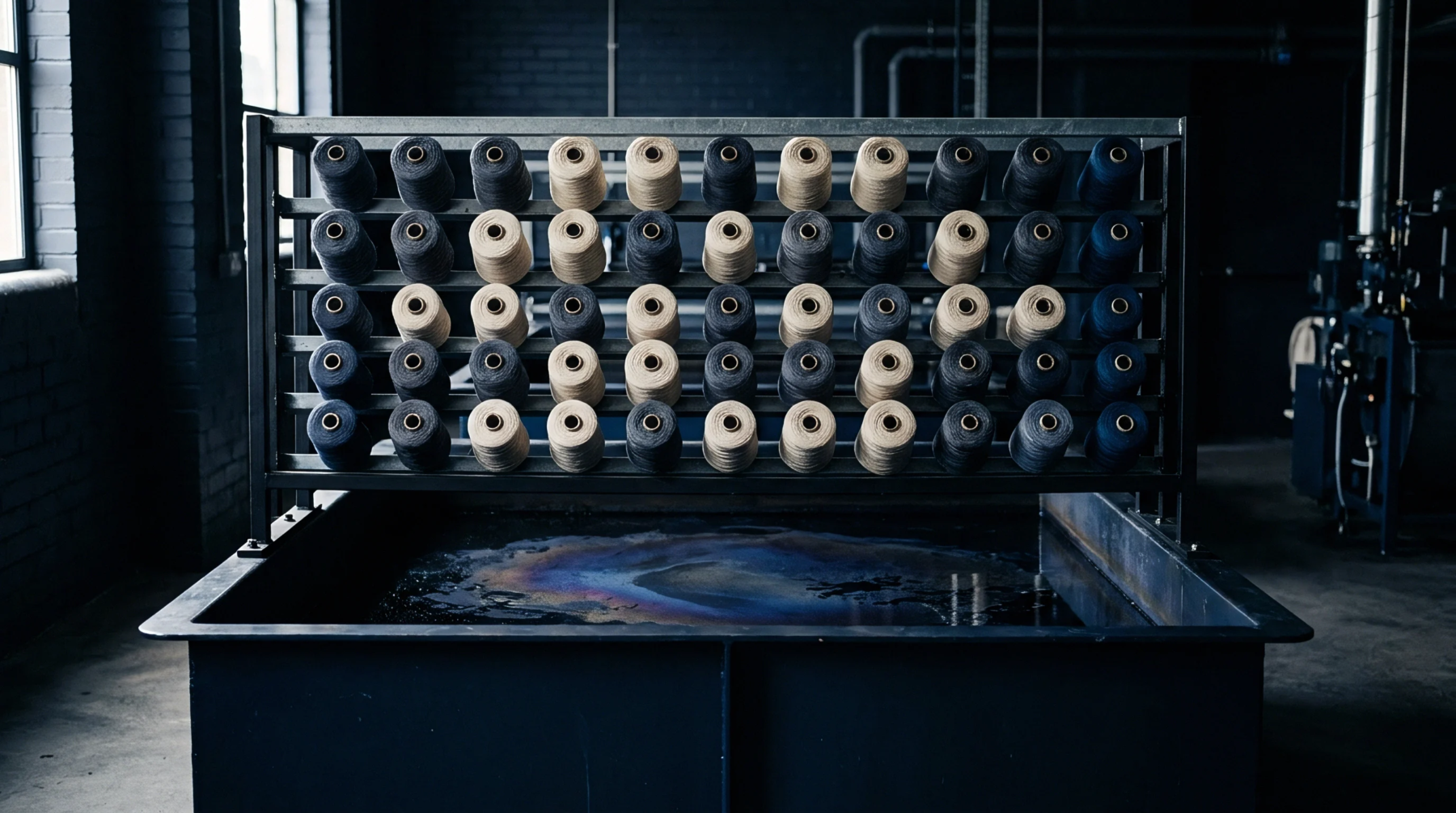
Engineering accurate finished width requires combining yarn crimp contraction with wet processing contraction factors during reed selection on the loom.

Greige warp parameters require calculating loom reed width from finished dimensions while incorporating weave crimp, size pick-up, and shuttleless selvedge waste.
Expertise is a utility, not a secret. sentiention™ publishes its working knowledge as open reference: intelligence layer covering the materials it sources, the markets it enters, and the reference that serves both.