
Standardizing Split Sample Testing Protocols for Repeat Textile Shipments
Standardized split sample protocols reduce cross-border detention by harmonizing swatch cutting, conditioning, and interlaboratory variance thresholds.
Standardized split sample protocols reduce cross-border detention by harmonizing swatch cutting, conditioning, and interlaboratory variance thresholds.
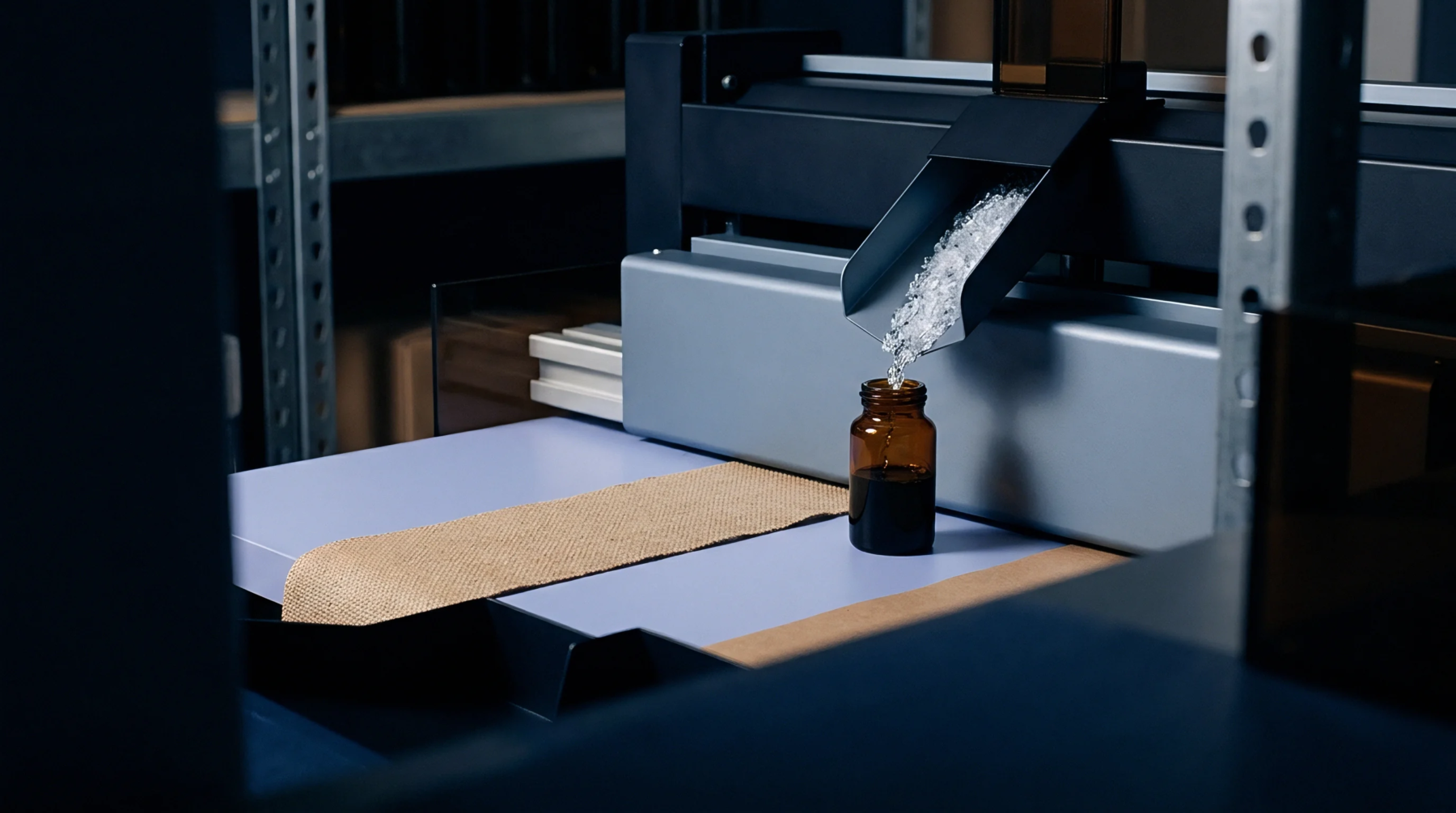
Import border clearance demands batch-level analytical test reports matching precise article specifications, restricted substance thresholds, and valid lab scope.
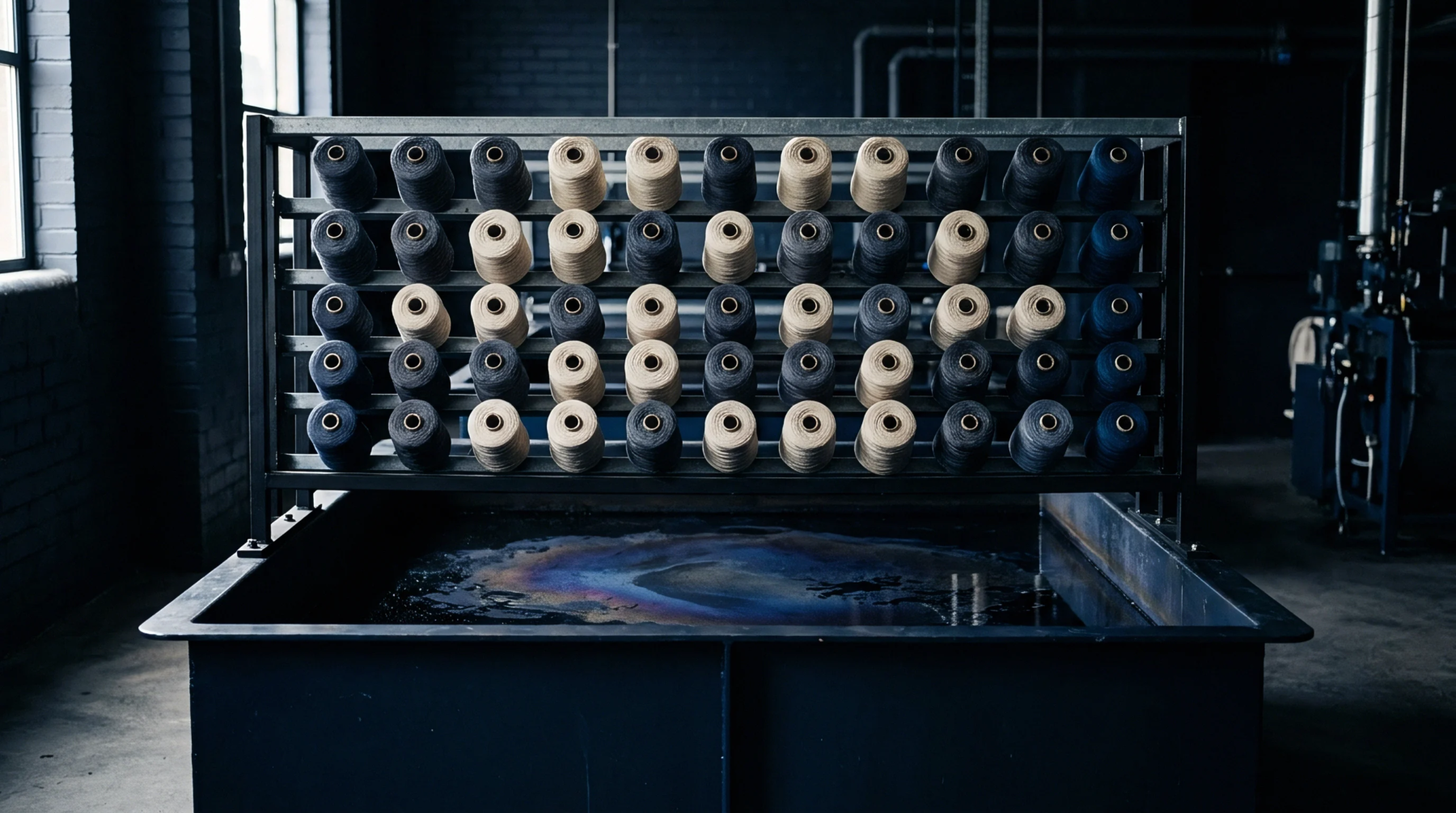
Resolving dyehouse chemical cross-contamination requires mandatory subcontractor registration, machine wash verification, and composite batch-level laboratory testing.

Subcontracted wet processing requires binding batch-level chemical verification and milestone payments to prevent catastrophic border seizures of converted yardage.

Thermal gradients across extraction heating blocks bias chemical recovery rates, creating false negative test dossiers that fail border compliance audits.

Potassium chloride addition stabilizes pH electrode response but distorts electrical conductivity and heavy metal detection limits in textile extract testing.

Testing heavy metals in chemically recycled resins demands microwave acid digestion and ICP-MS verification to prove batch compliance against regulatory limits.

Reconciling multi-sourced fabric chemical variances requires pre-agreed guarded decision rules, standardized split sampling, and binding referee arbitration.

Repeat textile orders demand digital tolerance baselines, dynamic sampling intensity shifts, and batch-level chemical verification rather than physical samples.
Resolve denim heavy metal false positives by enforcing collision cell ICP-MS or alternative emission lines to eliminate iron and salt matrix overlaps.

Controlling subcontracted wash auxiliaries demands locked positive chemical lists, barrel tamper seals, and machine-side testing before garment lot immersion.

Enforce direct chemical compliance by binding Tier Two dyehouses through third-party beneficiary clauses, mandatory batch testing, and automated invoice offsets.

Structure a 15 to 25 percent commercial purchase order holdback tied to ISO 17025 accredited laboratory test reports before clearing wet-processing balances.
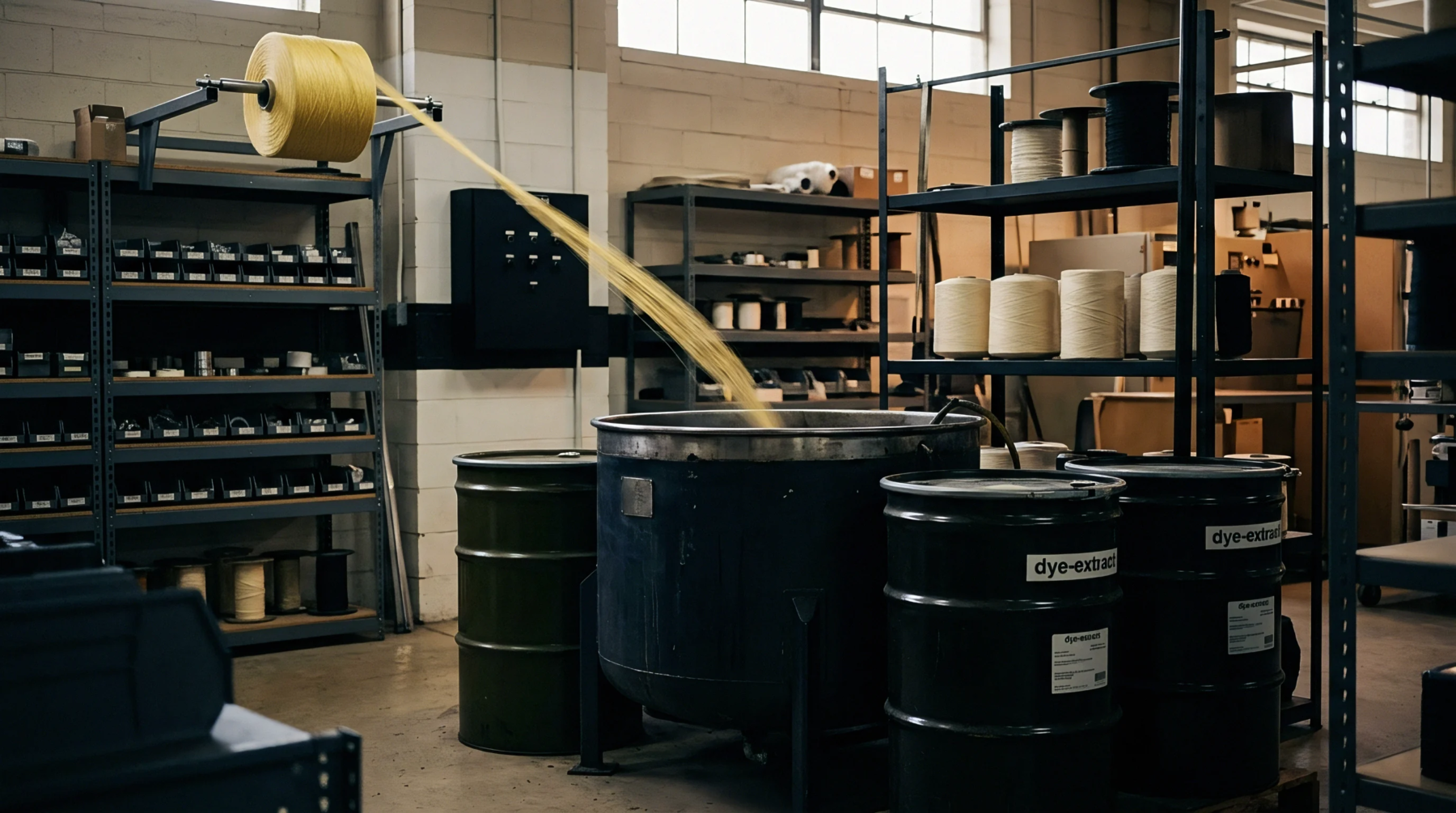
Chemical indemnity exposure aggregates landed garment values, hazardous destruction fees, and retailer chargebacks, requiring contract caps and retained swatches.
Expertise is a utility, not a secret. sentiention™ publishes its working knowledge as open reference: intelligence layer covering the materials it sources, the markets it enters, and the reference that serves both.