Fluid Momentum
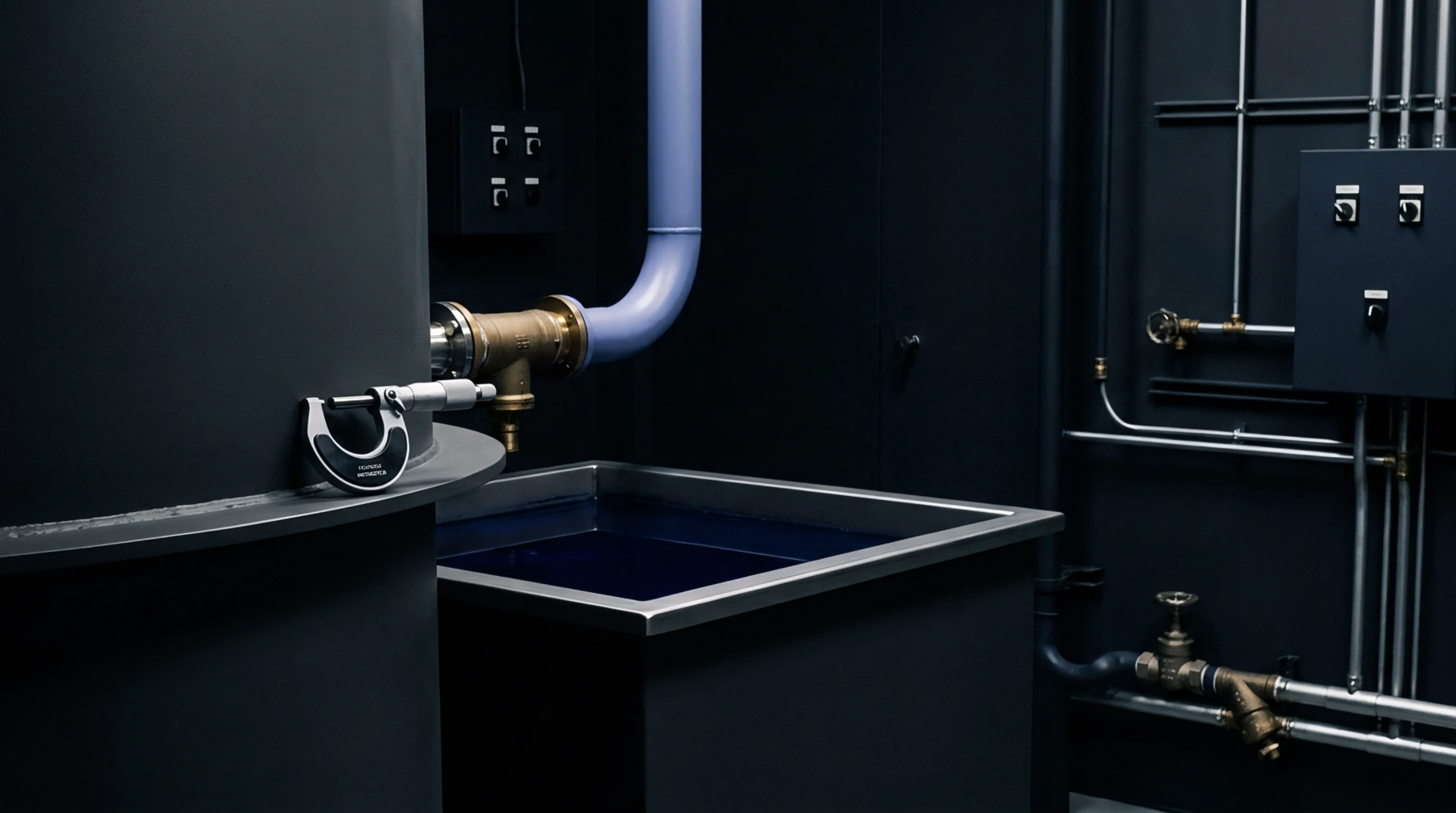
Kinetic energy transfer from pressurized liquor to fabric substrate governs the movement of goods through high-speed immersion units. Jet dyeing hydraulics manage the circulation velocity necessary to prevent friction damage during continuous textile processing. Internal pump pressure dictates the frequency of fabric turnover in the autoclave.
Uniformity of circulation across the entire batch load reduces local disparities in dye exhaustion.
Pressure Distribution
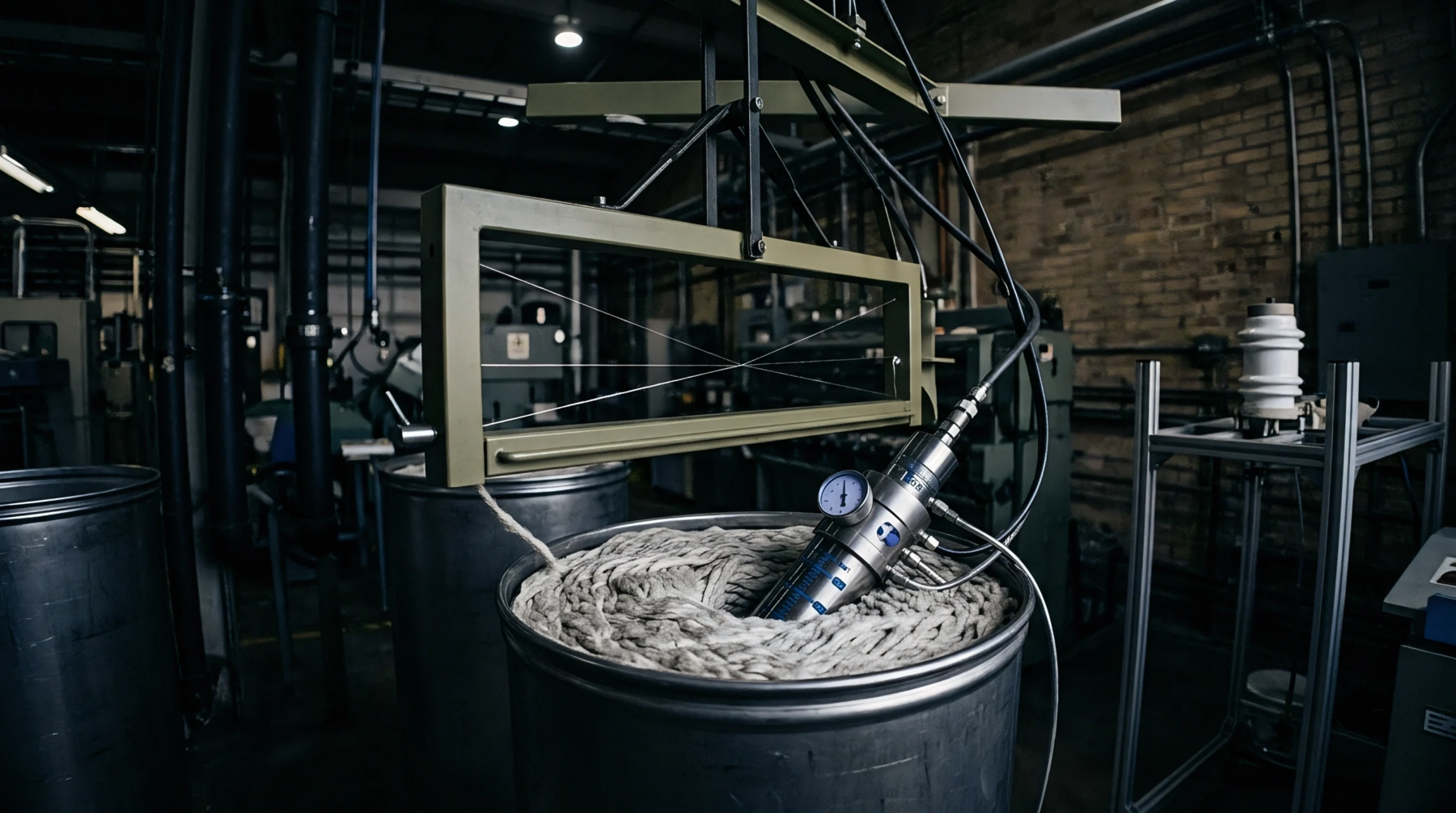
Pump performance determines the drag force acting upon the submerged textile rope. Jet dyeing hydraulics require exact synchronization between the nozzle aperture diameter and the pump discharge volume to maintain optimal rope speed. Restrictive nozzle settings increase turbulence while wider openings allow for delicate handling of high-stretch synthetic blends.
Consistent monitoring of these pressure variables prevents stalling or mechanical deformation of the fibre surface.
Energy Transfer
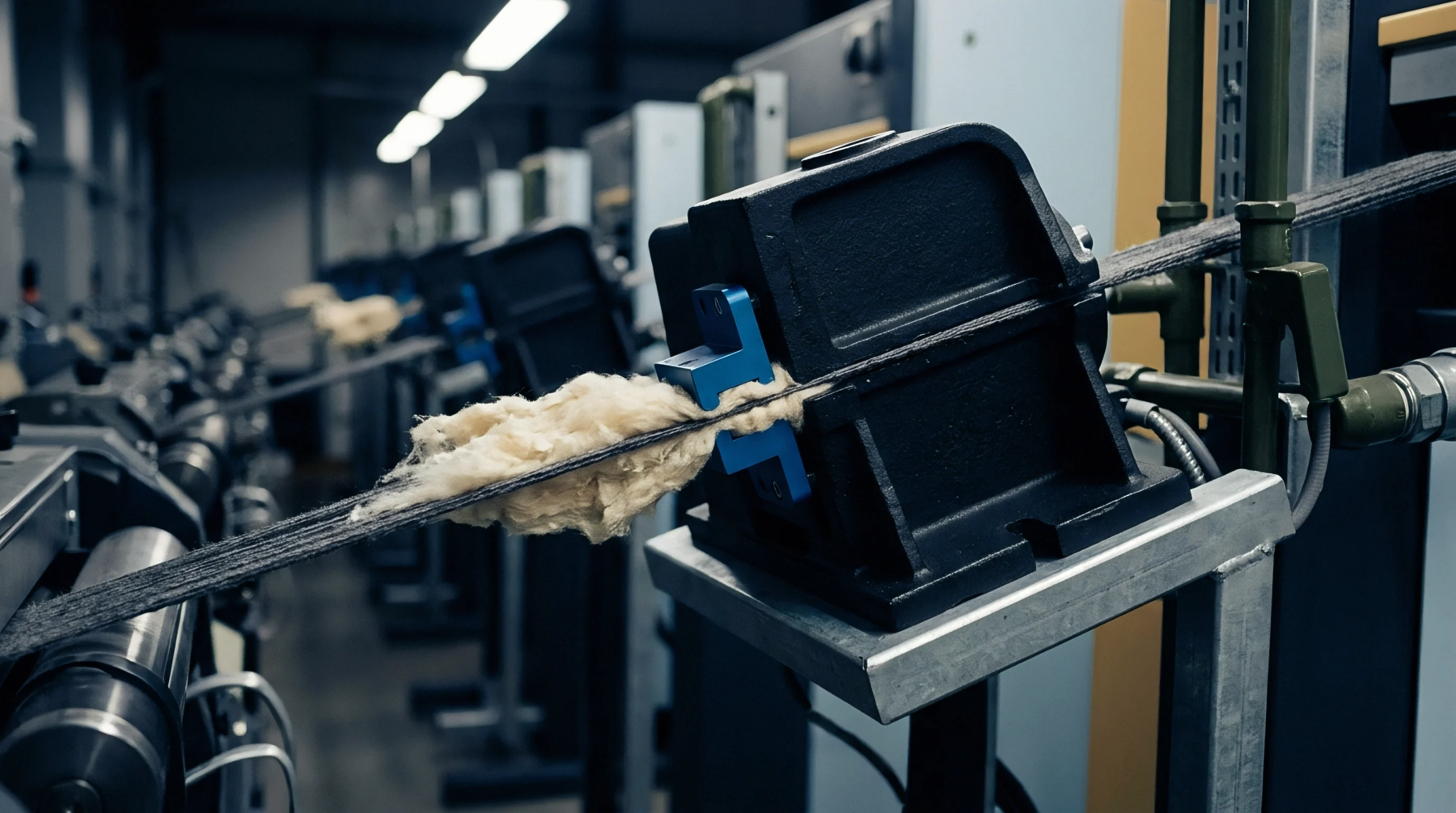
Thermal energy moves from the heated dyebath to the interior of the fibres through high-velocity liquor impingement. Jet dyeing hydraulics facilitate this heat exchange by ensuring that the dyebath liquor constantly penetrates the core of the wound fabric. Effective circulation minimizes the duration of high-temperature exposure by accelerating the rate of chemical uptake.
Rapid exchange cycles correlate with shorter processing times and lower utility consumption per kilogram of textile material.
Process Efficiency
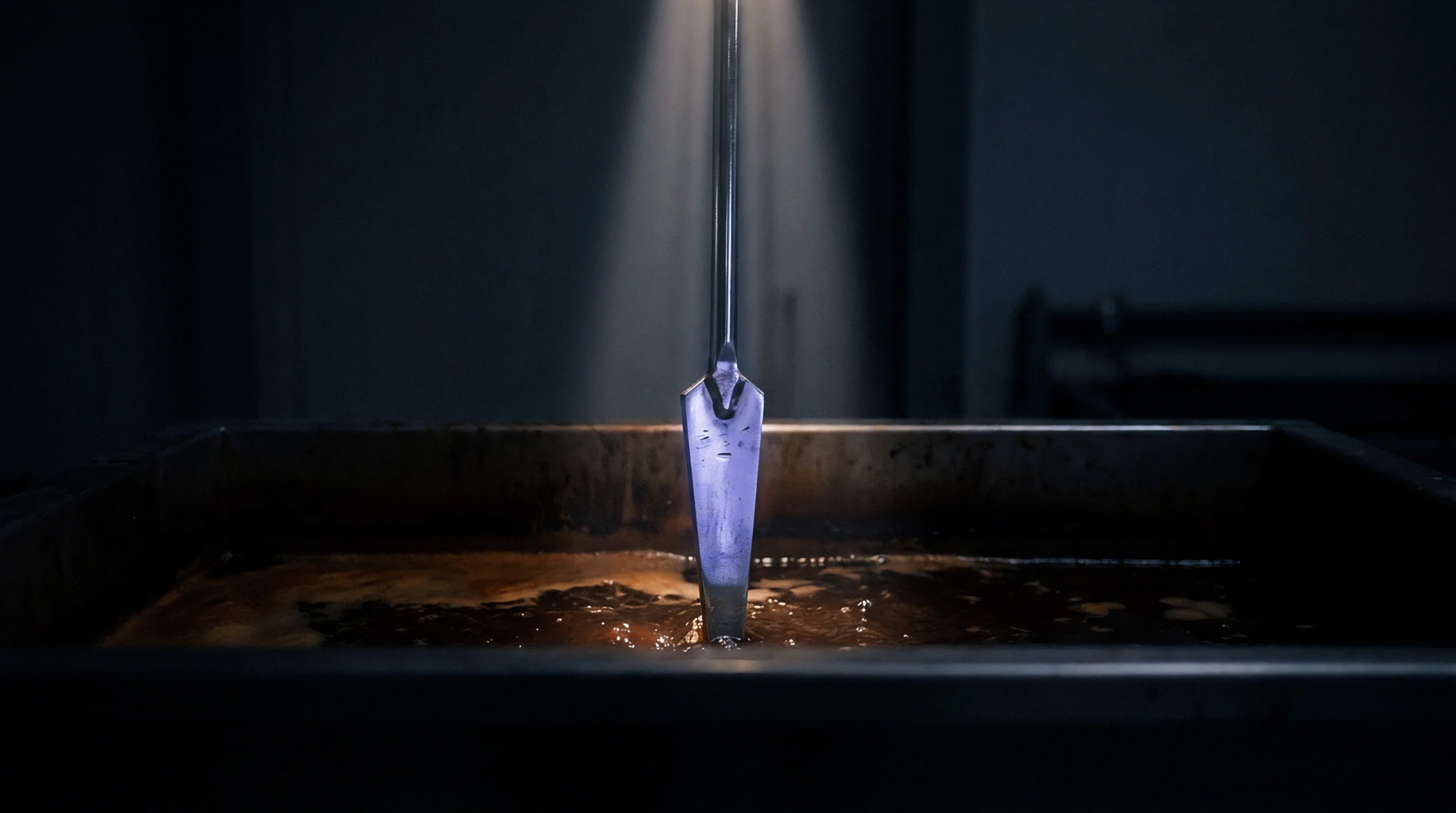
Operational parameters involving liquor ratio and circulation frequency influence the final shade depth of the product. Jet dyeing hydraulics adjust the flow rate to match the permeability of specific fabric constructions such as heavy polyester knits or lightweight nylon weaves. Overly aggressive flow speeds damage the surface texture of natural fibres while insufficient flow leads to uneven colour distribution.
Precision in managing these flow forces remains the primary factor for achieving level dyeing results across an entire production lot.