Technical Specification
Resistance to degradation of hue through mechanical or chemical exposure defines color fastness during post-dyeing manufacturing and consumer use. This property represents the capacity of a fibre or finished textile to retain its original shade when subjected to friction, water immersion, perspiration, or light radiation. Laboratory evaluation verifies the molecular bond stability between the dye substrate and the textile polymer.
Testing protocols determine the degree of staining on adjacent materials or the magnitude of shade change on the specimen under standardized laboratory environments. Variations occur depending on the specific dye class applied to a fibre or the application technique used during the finishing process. Professionals quantify this parameter by comparing the treated fabric against gray scales or digital spectrophotometric instruments to establish a numerical grade for compliance.
Processing Baseline
Factories determine chemical compatibility during the reactive dyeing cycle to prevent premature loss of molecular orientation within the fibre structure. Standardized procedures require specimens to undergo controlled washing at specified temperatures to monitor for potential migration of unreacted pigment particles. Technicians observe the liquor ratio and the concentration of surfactants because these variables influence the final retention values significantly.
High heat applied during subsequent drying or setting cycles contributes to thermal migration where the dye molecules move from the interior of the fibre to the surface. Such phenomena cause a perceptible shift in the visual appearance even before the garment reaches a retail rack. Correct chemical selection mitigates the risk of poor performance outcomes.
Performance Variable
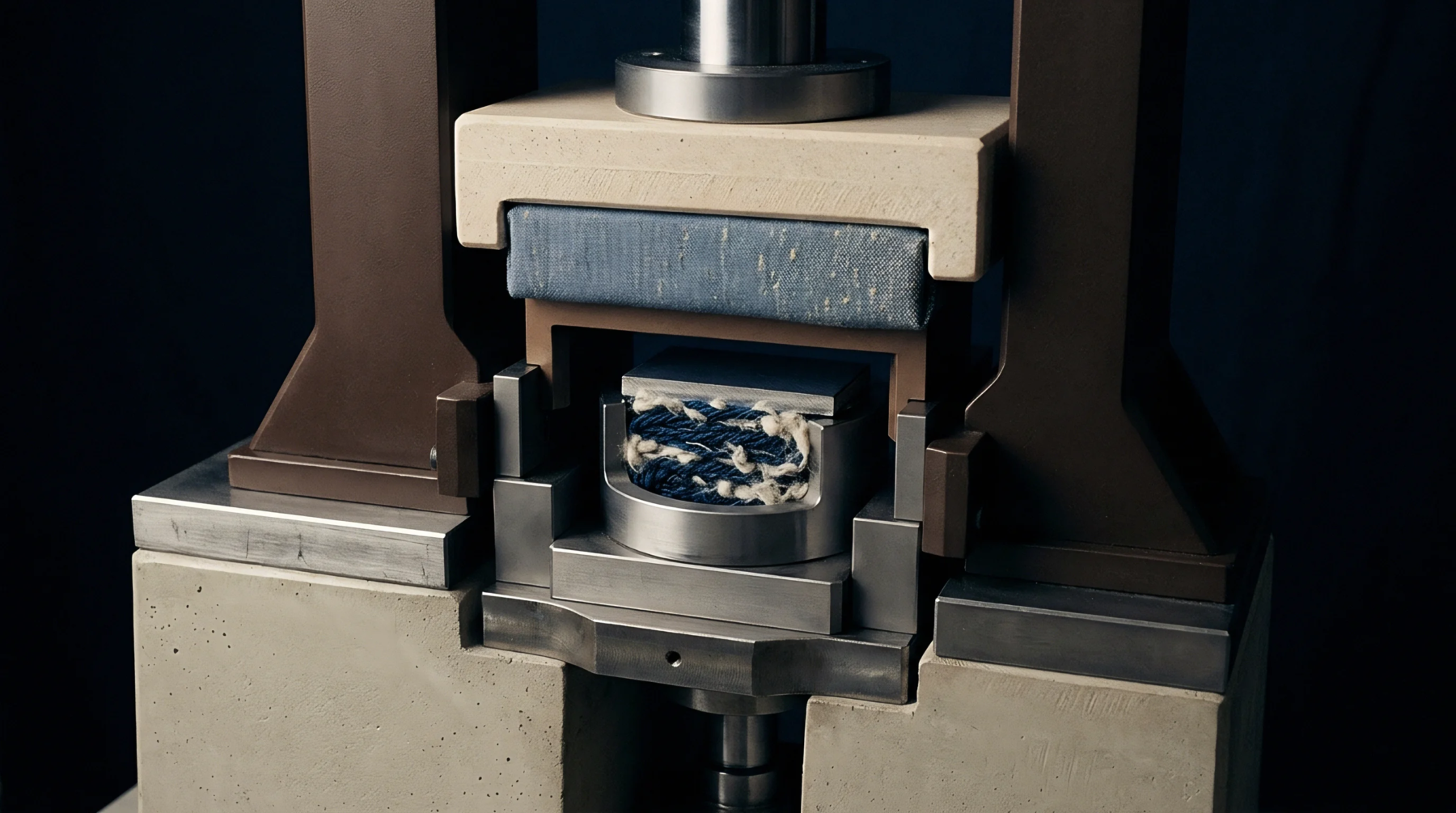
Friction causes physical displacement of loosely bound dye molecules from the surface of high-pile fabrics or deep-shade finishes. Abrasion against adjacent substrates during wear produces a distinct transfer of pigment that indicates insufficient fixation depth. Testing for this occurrence involves rubbing the target fabric with a white cloth under a defined weight to simulate heavy mechanical stress.
Fabrics with high twist yarns demonstrate different outcomes than loose knits due to the difference in contact surface area exposed to mechanical forces. Dry rubbing results often differ from wet rubbing results because moisture softens the polymer matrix and increases the mobility of dye molecules. Fibre composition alters the bond affinity, where synthetic materials require different fixation conditions than natural cellulose fibres.
Verification Protocol
Evaluators apply accelerated light testing to replicate extreme exposure conditions that degrade chemical linkages through photo-oxidation. Samples sit inside a chamber under a xenon arc lamp for a duration that simulates months of direct sunlight. Oxidation breaks the conjugation within the chromophore, leading to a permanent change in light absorbance characteristics.
Fabrics that pass initial wash cycles sometimes fail under light exposure if the dye chemistry lacks high photo-stability. Commercial acceptance depends on meeting the minimum threshold required for the specific garment application. Accurate assessment prevents inventory returns and protects the integrity of the finished product.