Voluntary Certification
Voluntary certification verifying that textile products have been tested for harmful substances across every stage of processing defines the scope of oeko-tex standard 100. This global certification system provides a uniform set of criteria for assessing the safety of fibers, yarns, fabrics and accessories like buttons and zippers. It goes beyond national legal requirements to include a wide range of restricted chemicals, including azo dyes, formaldehyde, pentachlorophenol and heavy metals.
The certification is applicable to products at all levels of the supply chain, from the raw material to the finished garment. By achieving this standard, manufacturers can demonstrate their commitment to consumer health and environmental responsibility in a way that is easily recognized by international buyers.
Harmful Substance Screening
Laboratory testing for this certification involves a comprehensive screening of the textile components for hundreds of regulated chemicals. Under the rules of oeko-tex standard 100, every individual element of a garment must meet the same strict limits to ensure the safety of the entire product. The screening process includes tests for chemicals that are known to be harmful even if they are not yet restricted by law.
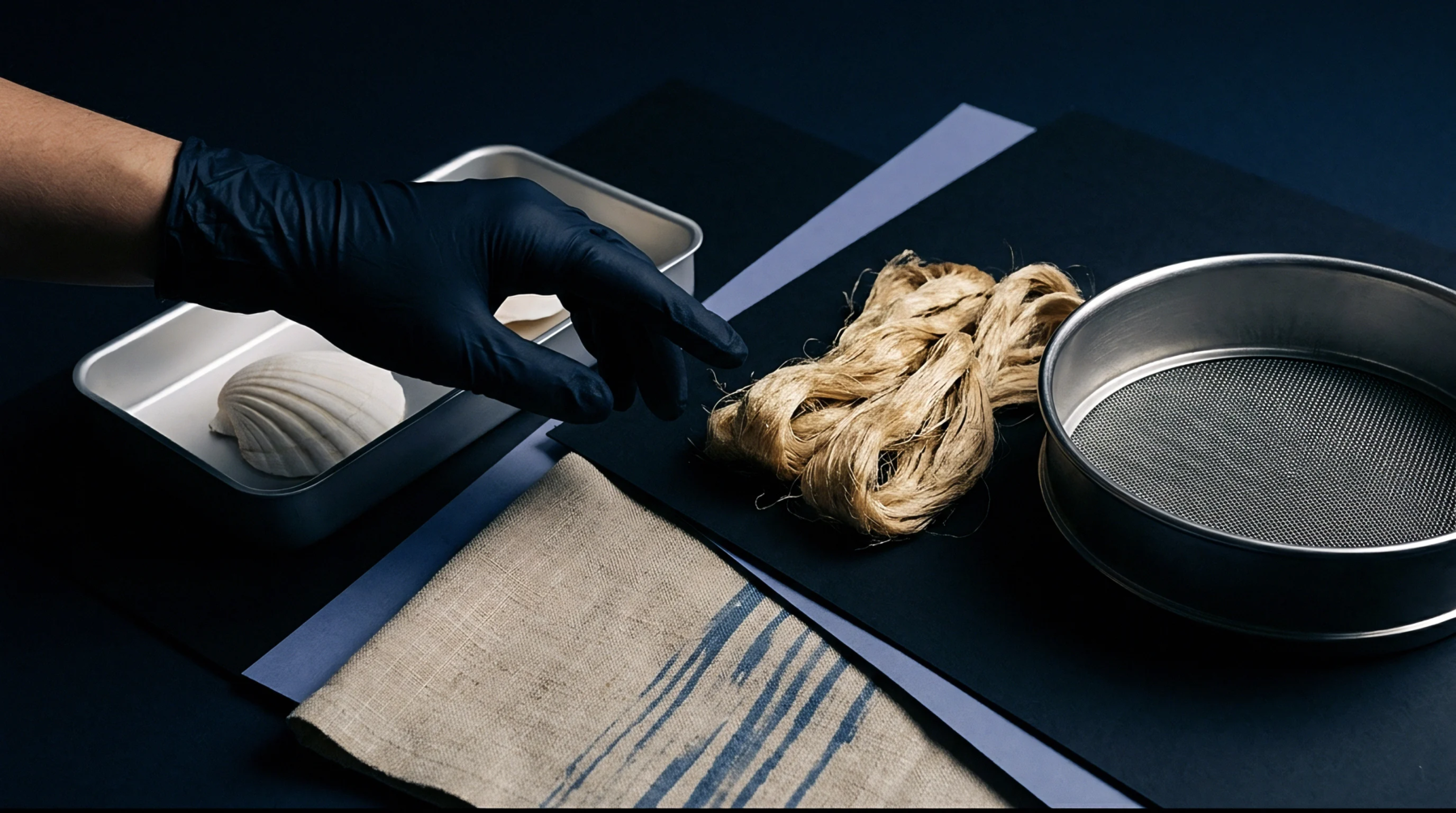
The mechanism of testing varies depending on the substance, with extraction methods and advanced chromatography used to detect even trace amounts of contaminants. Technicians must follow standardized procedures to ensure that the results are consistent across different testing institutes worldwide. This rigorous approach helps to identify potential risks that might be overlooked by less stringent safety protocols.
Product Class
Safety requirements are divided into four distinct classes based on the intended use of the textile product and the degree of skin contact. According to oeko-tex standard 100, the most stringent limits are found in product class one, which covers items for babies and toddlers up to three years of age. Product class two includes items that come into direct contact with the skin, such as underwear and bed linen, while classes three and four cover outerwear and furnishing materials.
This classification system allows for a targeted approach to safety that reflects the real-world exposure of the consumer. The boundary for each class is clearly defined by specific limit values for every chemical tested. Manufacturers must specify which class they are applying for when they submit their products for testing.
Global Recognition
Acceptance of this certification by major retailers and brands has made it a primary requirement for entering many international markets. Oeko-tex standard 100 acts as a universal safety label that builds trust with the consumer and simplifies the procurement process for buyers. It allows companies to communicate their safety standards through a simple label on the final product, which is often a key factor in the purchasing decision.
The certification is updated annually to include new scientific findings and regulatory changes, ensuring that it remains relevant in a changing market. Regular audits of the manufacturing facilities are conducted to verify that the production processes remain compliant with the standard. Maintaining this certification requires a continuous effort from the mill to monitor its chemical inputs and to ensure the cleanliness of its production lines.