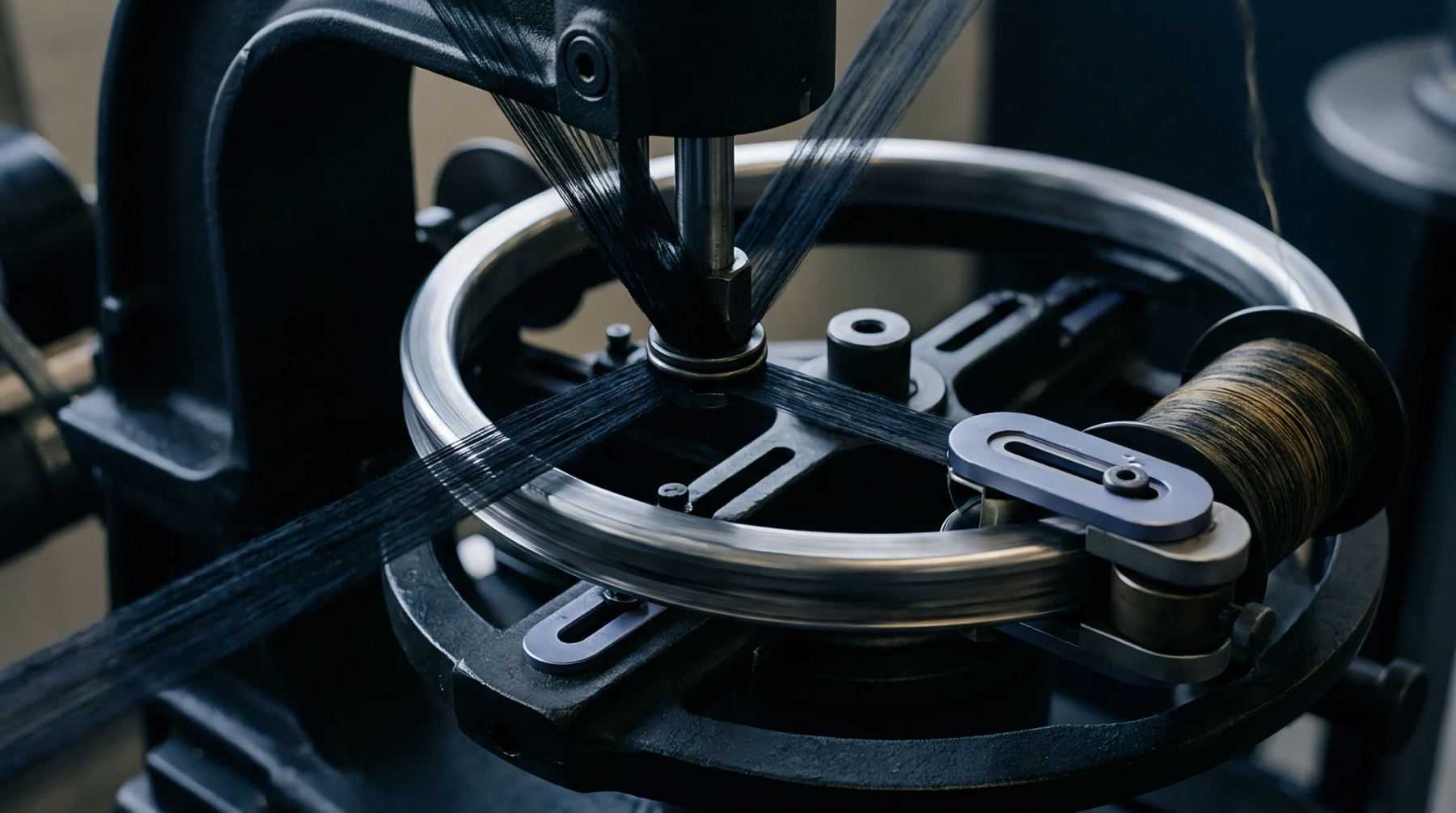
Managing Yarn Twist Equilibrium in Circular Knitting Processes
Managing yarn twist equilibrium requires steam autoclaving lively packages or alternating S/Z feeds to eliminate loop skew and cutting waste in single jersey fabric.
Managing yarn twist equilibrium requires steam autoclaving lively packages or alternating S/Z feeds to eliminate loop skew and cutting waste in single jersey fabric.

Predictive loop length modeling establishes exact single jersey finished weight and dimensions by linking yarn count to Munden relaxation constants.

Single jersey spirality is controlled by capping yarn twist multiplier below 3.5, optimizing loop tightness, and autoclaving to neutralize torsional torque.

Fine gauge knit contraction relies on balancing hydrodynamic wet relaxation with stenter overfeed to lock loop geometry before garment cutting.
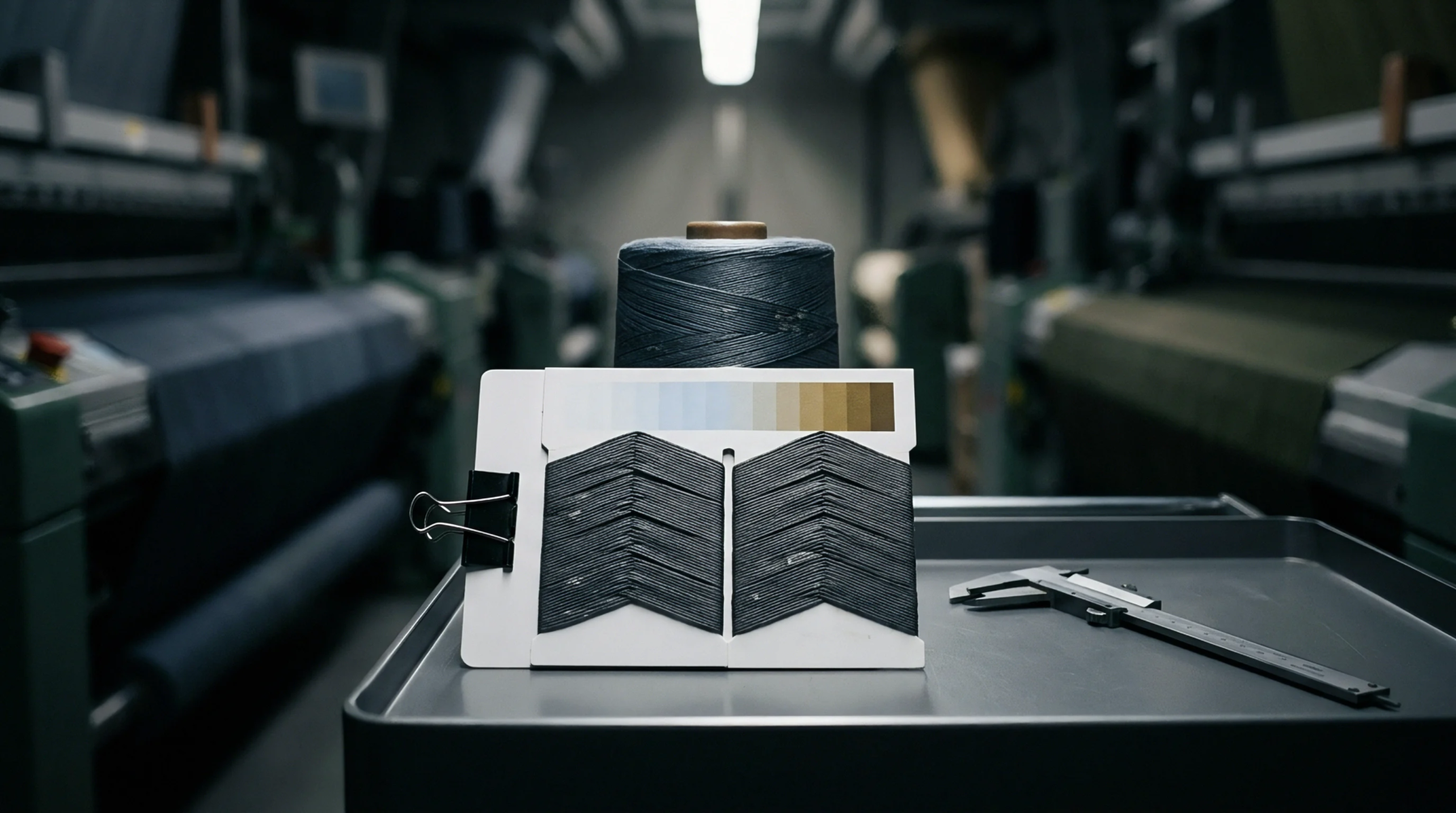
Accurate greige specifications require defining relaxed loop length and conditioned thread counts rather than relying on unstable on-machine measurements.
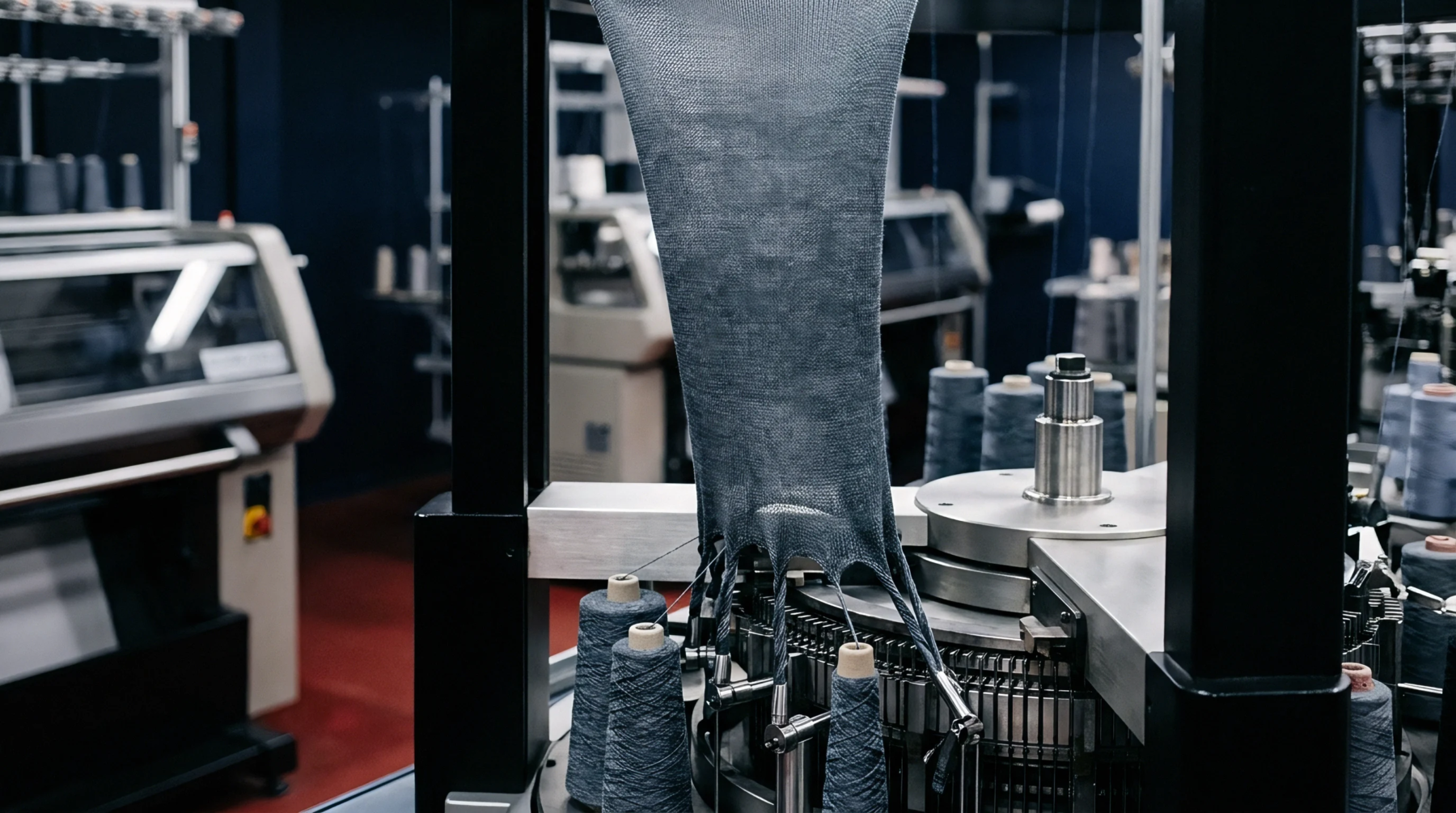
Matching knitting machine gauge to yarn linear density fixes loop tightness factor, setting the upper limit for aqueous dimensional contraction during wet finishing.
Predictive loop length modeling eliminates fabric weight and yield variations by matching positive yarn feed settings directly to fully relaxed geometric constants.
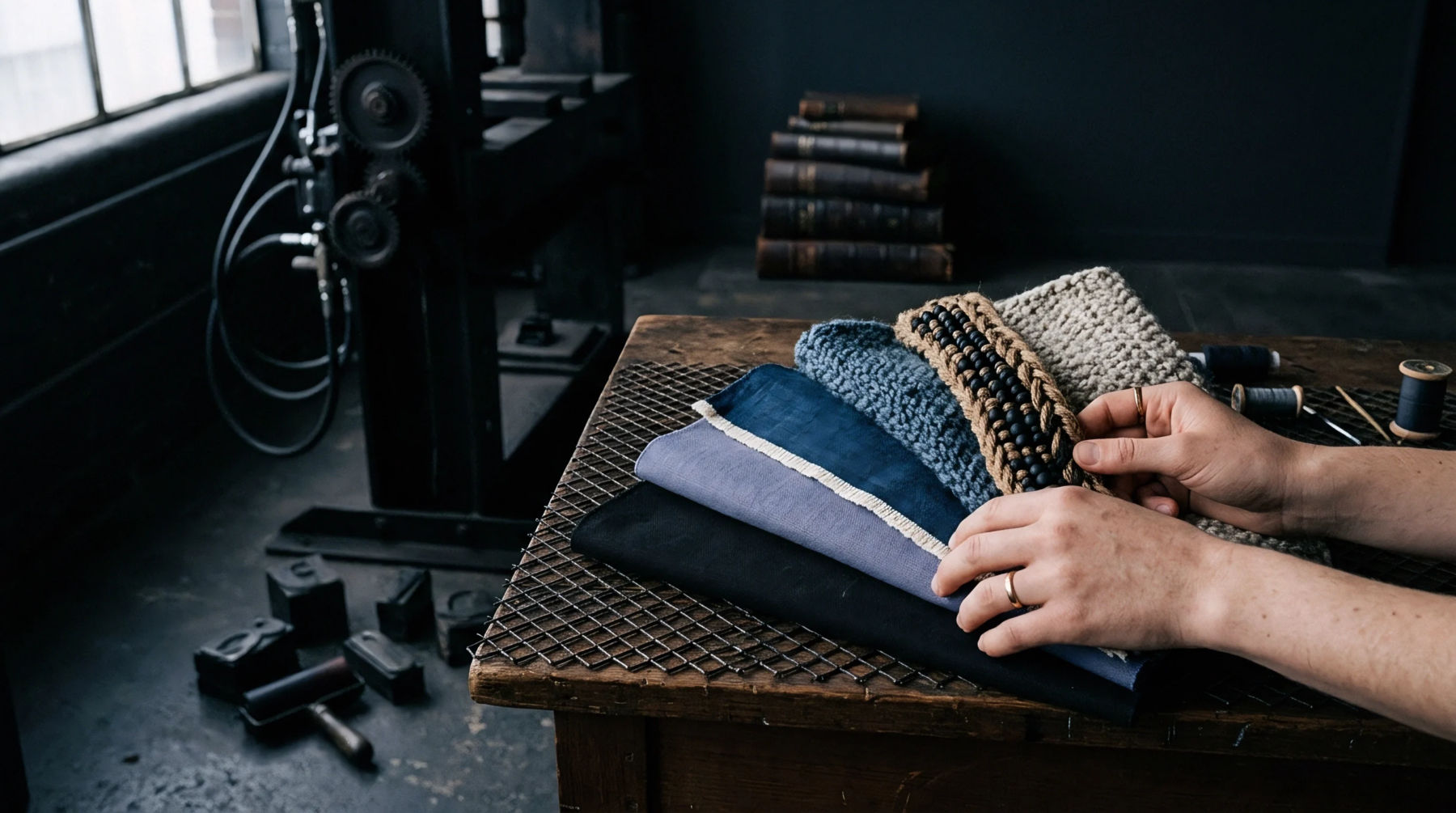
Fabric specifications mandate exact finished thread densities, stitch lengths, and test conditions to enforce supplier compliance and control landed costs.
Expertise is a utility, not a secret. sentiention™ publishes its working knowledge as open reference: intelligence layer covering the materials it sources, the markets it enters, and the reference that serves both.