Textured Filament
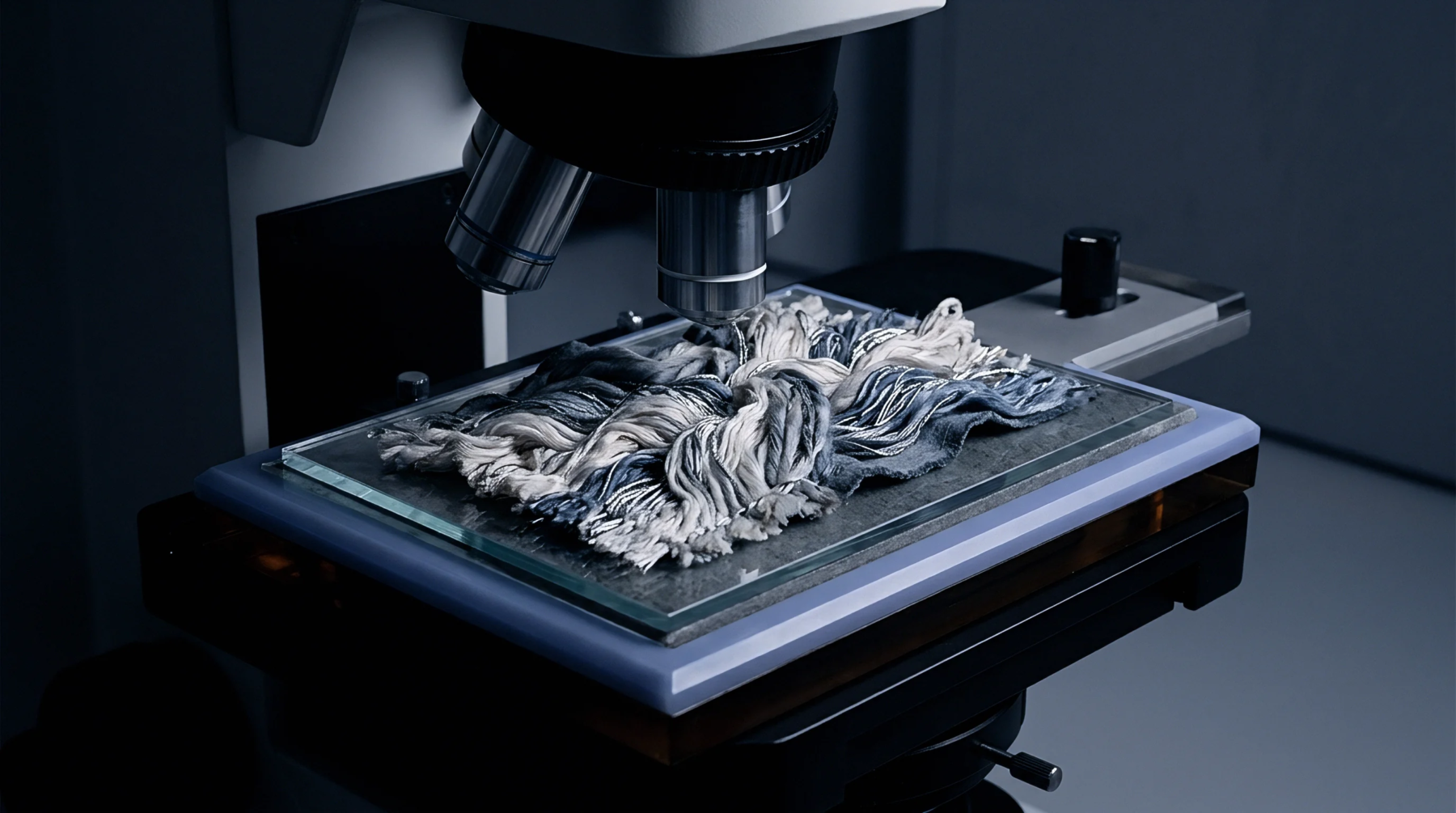
Synthetic polymer filament subjected to simultaneous drawing and heat-setting represents a specialized category of manufactured soft-goods input. Mills produce draw-textured yarn by feeding partially oriented yarn through a friction-twist texturising machine to deform the straight filaments permanently. This yarn is evaluated at the reception gate of knitting and fabric-forming mills for crimp contracture and residual torque to prevent torque-related spirality in circular knit fabrics.
Mechanical Deformation
Thermomechanical processing transforms the molecular alignment of the synthetic polymers. Heated zones soften the polymer structure before friction aggregates twist the individual strands. This process produces draw-textured yarn with physical characteristics suitable for apparel.
Mechanical stability is achieved during the secondary heat setting.
Bulk Assessment
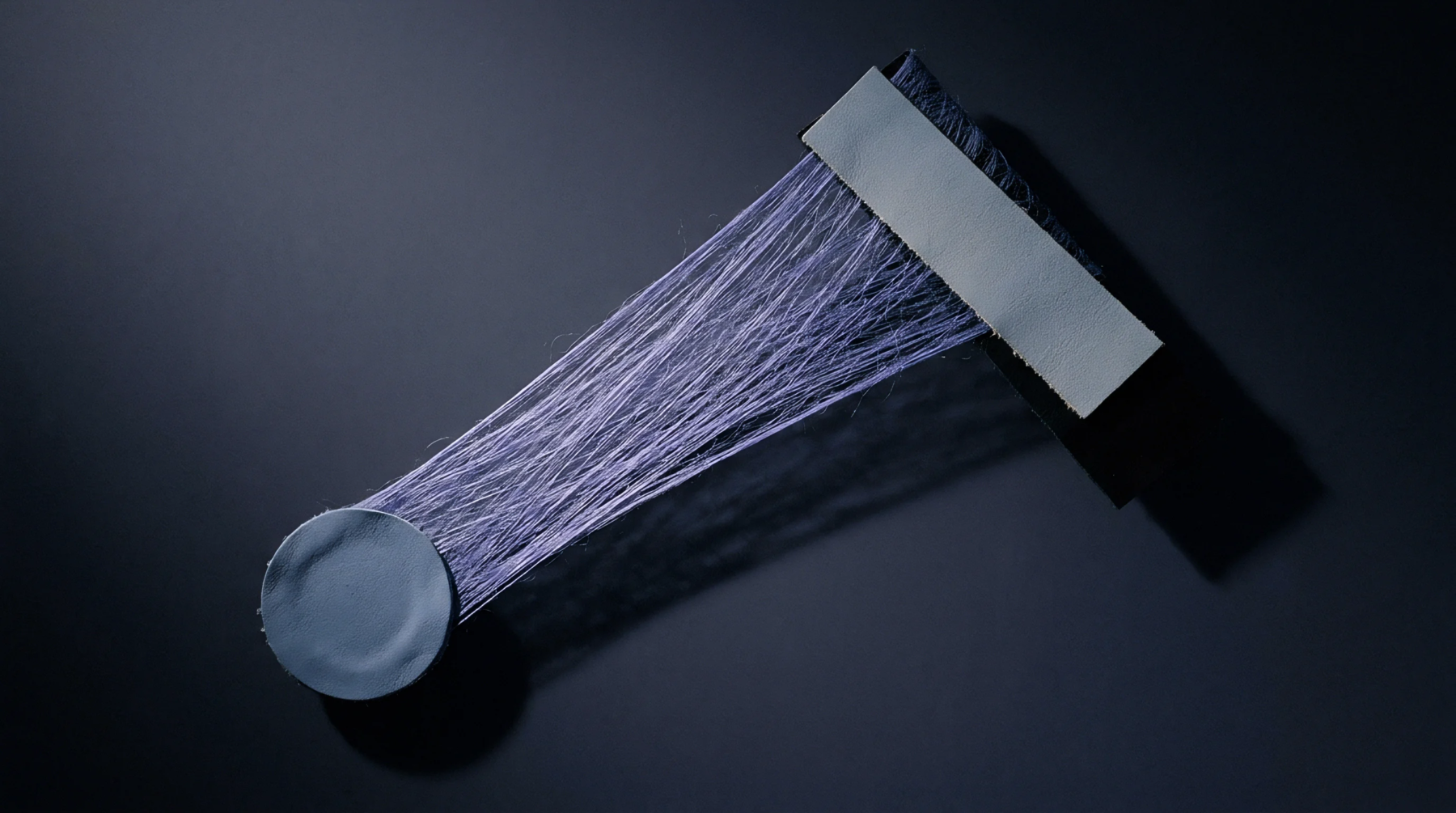
Measurement of the textured filaments relies on standardized mechanical tests. Quality laboratories evaluate the crimp contraction to verify that the texturising zone operated uniformly. Deviation in draw-textured yarn density causes uneven dyeing and barre defects in finished knitwear.
The coefficient of variation must remain below threshold limits to prevent these patterns.
Knitting Suitability
High stretch properties make these materials ideal for athletic apparel. Garment factories purchase draw-textured yarn because it creates fabric with tactile softness and low thermal conductivity. Testing confirms that the yarn behaves predictably during high-speed weft knitting.