Analytical Boundary
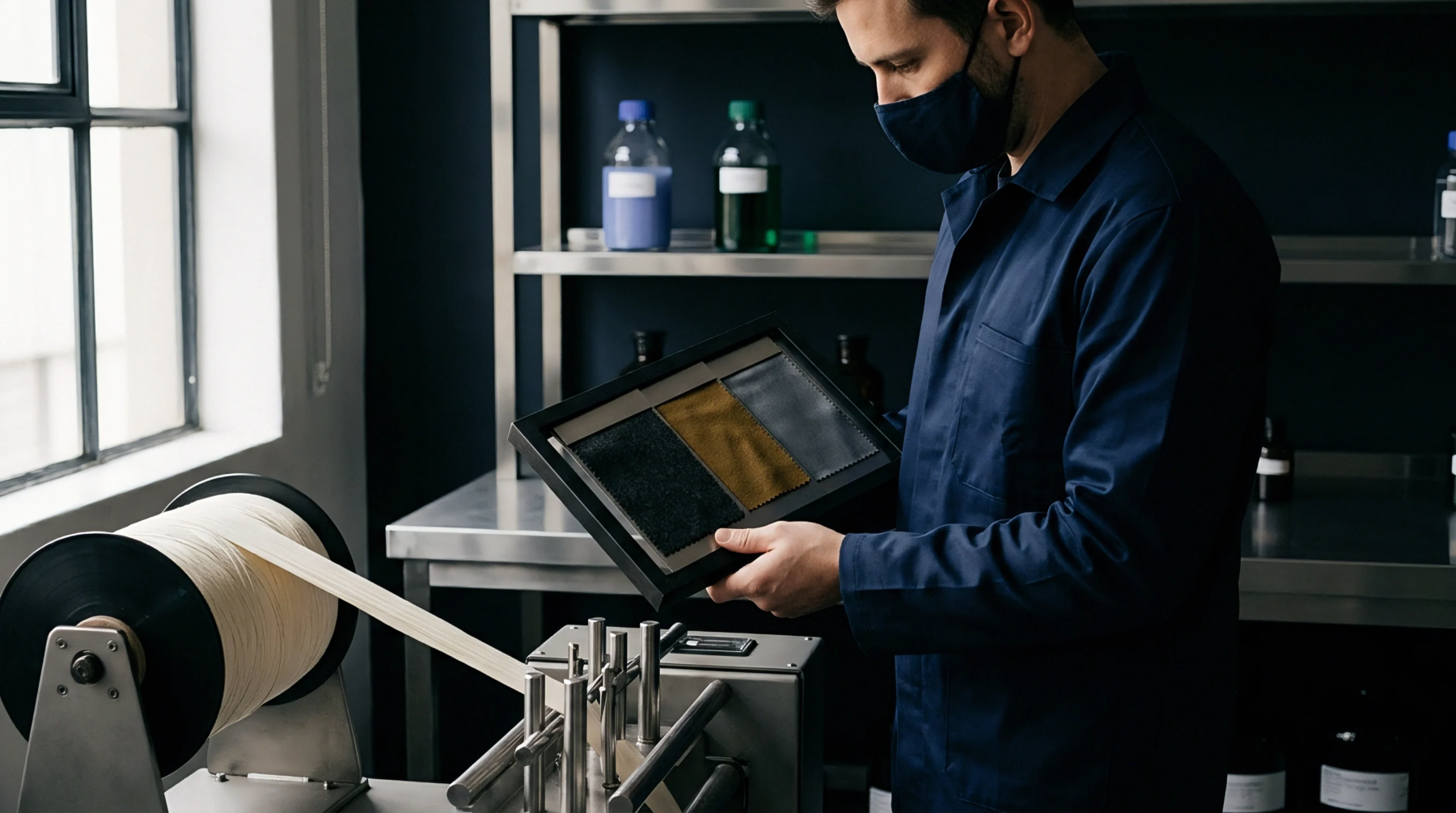
Quantitative baseline determining the minimum concentration of a chemical residue or finish compound that a laboratory instrument can reliably distinguish from analytical noise during raw fibre verification tests. The limit of detection establishes the absolute floor beneath which low level chemical treatments on cotton or synthetic filaments remain statistically indistinguishable from background instrument fluctuation. Technicians working in mill quality laboratories apply this concentration threshold during purity assays for pesticide residues on organic cotton bales or heavy metal traces on dyed polyester yarns.
Below this boundary value, an analytical instrument registers signal variations that originate from baseline electronic noise rather than genuine sample presence. Quantifying this boundary requires repeated measurements of reagent blanks to establish standard deviation values for background noise signatures. Analysts calculate the detection limit by multiplying the standard deviation of blank measurements by three and dividing the product by the slope of the calibration curve established with standard reference materials.
Spectrometric and chromatographic equipment used in textile testing laboratories must achieve detection limits sufficient to verify compliance with restricted substance lists established by brand specifications. When instrument sensitivity degrades due to detector aging or dirty injection ports, the detection limit rises and obscures low level chemical presences that require identification.
Detection Margin
Safety interval separating the true concentration of a process chemical from the operational limit of detection during continuous dye house monitoring. Dye house operators maintain this operational separation to prevent trace finishes from falling undetected beneath the analytical horizon of routine gas chromatography equipment. Fabric processing facilities rely on this separation during the application of flame retardant finishes to cellulosic wovens where regulatory compliance depends on verifying minute chemical add-on quantities.
Operating too close to the detection limit introduces high false negative rates that permit improperly finished textiles to pass outgoing quality inspection without penalty. Calibration standards applied at regular intervals verify that analytical equipment maintains the necessary margin above background interference levels during high throughput daily testing schedules. Sample preparation protocols often incorporate concentration steps such as solvent extraction and evaporation to boost analyte signals safely above the detection limit before instrument injection occurs.
Method Variance
Statistical dispersion arising from sample preparation steps, pipette calibration errors and temperature fluctuations during chromatographic extraction procedures in textile testing laboratories. This analytical variability directly dictates the numerical value of the detection limit because unstable baseline responses inflate the standard deviation calculated from blank samples. Technicians minimize method variance by utilizing automated liquid handlers and certified reference standards during the preparation of calibration curves for reactive dye residue assays.
Instrument manufacturers publish theoretical detection limits based on optimal laboratory conditions, yet routine factory testing yields higher practical limits due to environmental vibration and voltage fluctuations in the mill. Quality managers track day to day shifts in method variance to spot early signs of column degradation or detector fouling before detection limits drift out of specification.
Signal Floor
Minimum electrical current generated by a detector before software algorithms filter background noise from genuine chromatographic peaks during fiber extract analysis. This electronic baseline establishes the absolute limit of detection because any chemical signal smaller than the baseline fluctuation disappears into random electronic variation. Instrument designers lower the signal floor by incorporating cooled detectors and high frequency digital filters into gas chromatography mass spectrometry systems used for textile testing.
Signal processing software continuously calculates baseline noise levels during chromatographic runs to adjust integration parameters for trace contaminants found in recycled polyester filaments.