
Moisture Regain Corrections for Ocean Transport Combed Cotton Invoices
Invoice corrections reconcile ocean-shipped combed cotton scale mass to official 8.5 percent regain, preventing overpayment for absorbed water.
Invoice corrections reconcile ocean-shipped combed cotton scale mass to official 8.5 percent regain, preventing overpayment for absorbed water.

Commercial mass in ocean freight combed cotton reconciles scale mass to anhydrous dry weight plus official 8.5 percent regain to prevent paying for water.
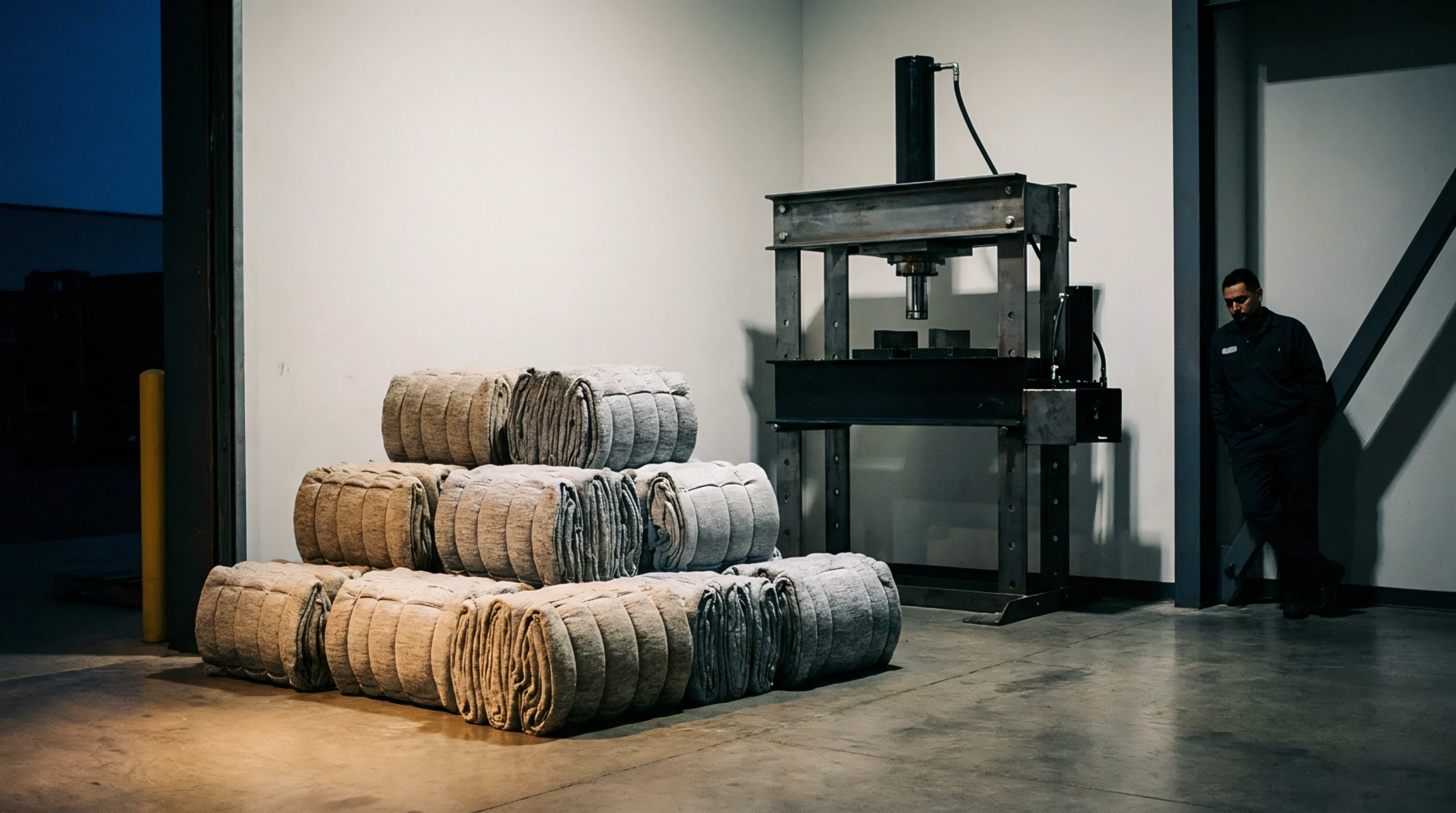
Warehouse relative humidity directly shifts greige yarn moisture regain, altering single-end tensile strength, unwinding tensions, and invoiced commercial weight.

Commercial mass adjustments correct raw cotton delivery weights to an 8.5% standard regain baseline using oven dry core testing to prevent water billing errors.

Reconcile dock scale variances by calculating commercial mass from clean oven-dry weight plus statutory tariff regain schedules rather than ambient mass.

Gravimetric determination of viscose polyester blends requires solvent pre-extraction to prevent non-fibrous matter bias from shifting commercial blend claims.

Pre-treatment solvent extraction eliminates spin finish mass errors, ensuring precise quantitative fiber analysis and valid tariff classification.

Mechanically recycled PET exhibits higher moisture regain than virgin PET, requiring deeper desiccant drying to prevent hydrolytic degradation during spinning.

Adjusting synthetic cellulose weight for commercial moisture regain prevents customs overvaluation and resolves borderline tariff classification disputes.
Customs classification relies on oven-dry chemical gravimetry adjusted by statutory moisture regain rates rather than raw commercial invoice declarations.

Statutory tolerances fail unless chemical test reports account for reagent dissolution d-factors and official moisture regain adjustments on clean dry residue.
Multi-fibre blend weight disputes turn on reconciling oven-dry chemical separation mass with standard moisture regain allowances under strict international test rules.
Marine container moisture gain alters physical weight on arrival; commercial settlement under ISO 6741 requires adjusting clean oven-dry mass to standard regain.

Commercial weight recalculation adjusts raw fiber invoice mass by adding official contractual moisture regain allowances to laboratory verified oven-dry fiber mass.

Determine commercial moisture regain standards through representative bale core sampling and forced-draft oven drying to convert net shipping mass into billable commercial weight.
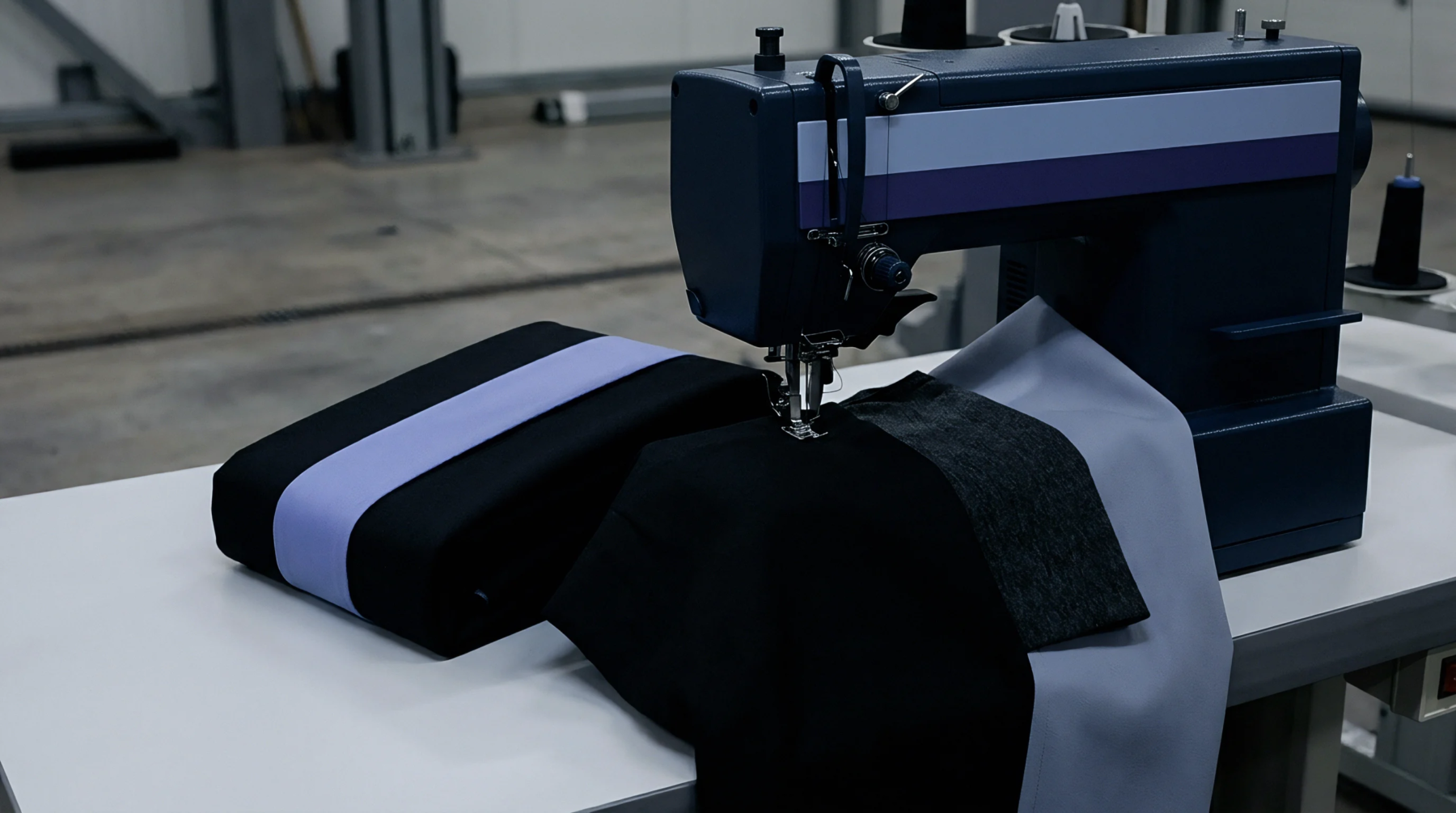
Align customs entries with physical net scale weight while stating ISO 6741 regain calculations on commercial invoices to prevent chief weight misdeclaration penalties.

Correcting cotton yarn density for moisture regain standardizes commercial invoiced mass and prevents package dyeing defects caused by swelling.

Harmonized tariff chief weight declarations require converting oven-dry fibre masses into commercial mass using statutory regain allowances to prevent reclassification.
Solvent extraction removes non-fibrous sizing and oils before applying statutory moisture regains to clean dry fibre masses for tariff classification.

Correcting PET spin finish extraction figures demands subtracting dissolved cyclic trimers to prevent overstating lubricant content in commercial mass calculations.
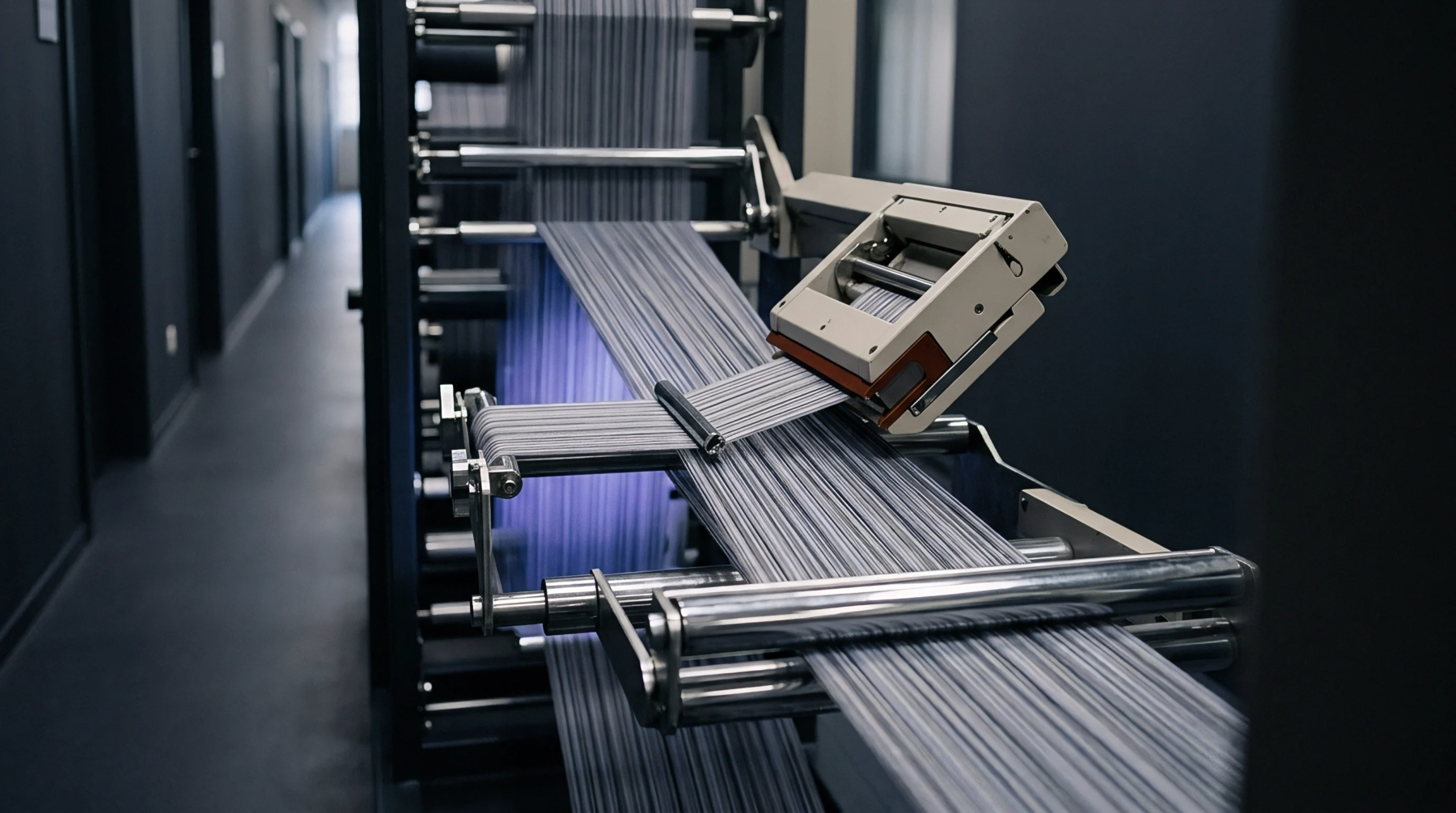
Solvent extraction isolates spin finishes and waxes from spun yarns, preventing excess processing aids from inflating commercial mass and landed duty costs.

Chemical dissolution tolerances require applying fibre-specific correction factors d to dry residue masses while holding temperature and exposure limits precise.

Viscose moisture regain shifts during transit alter declared component mass ratios, triggering customs reassessments when unconditioned testing crosses tariff weight thresholds.

Official moisture regain calculations convert anhydrous dry mass into legal commercial mass to determine chief weight tariff lines for binary fibre imports.
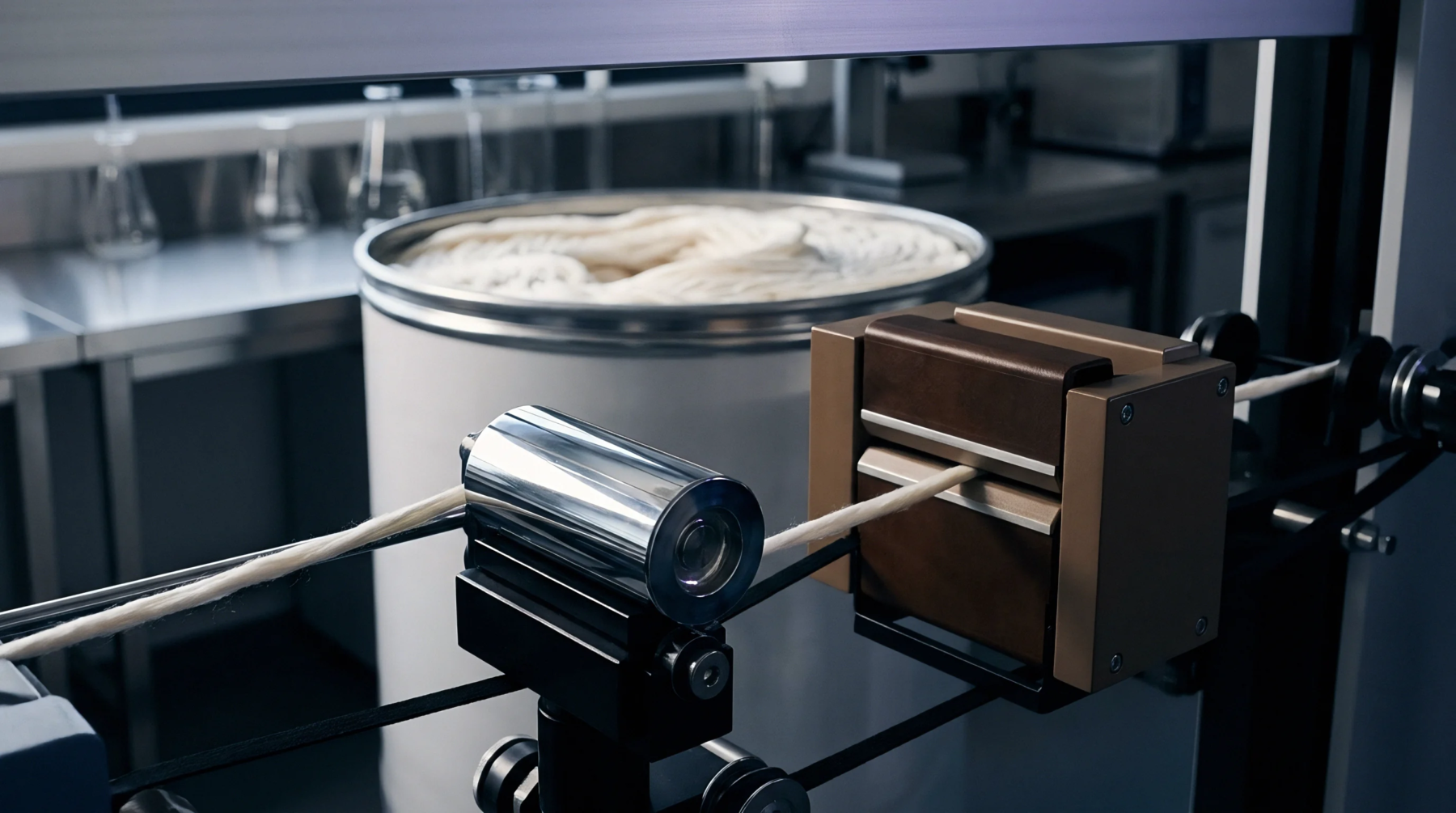
Adjust clean oven-dry mass using official commercial regain percentages to ensure accurate tariff classification and prevent commercial mass invoicing errors.

Air jet spinning waste ranges from three to nine percent, driven by short fiber index and nozzle pressure, directly shifting yarn yield and blend ratios.

True dry fiber mass requires quantitative solvent extraction of non-fibrous processing aids prior to forced-draft oven drying to constant weight.

Customs audits reclassify fiber blends when suppliers apply origin regain rates instead of destination statutory rules to oven-dry laboratory separation data.
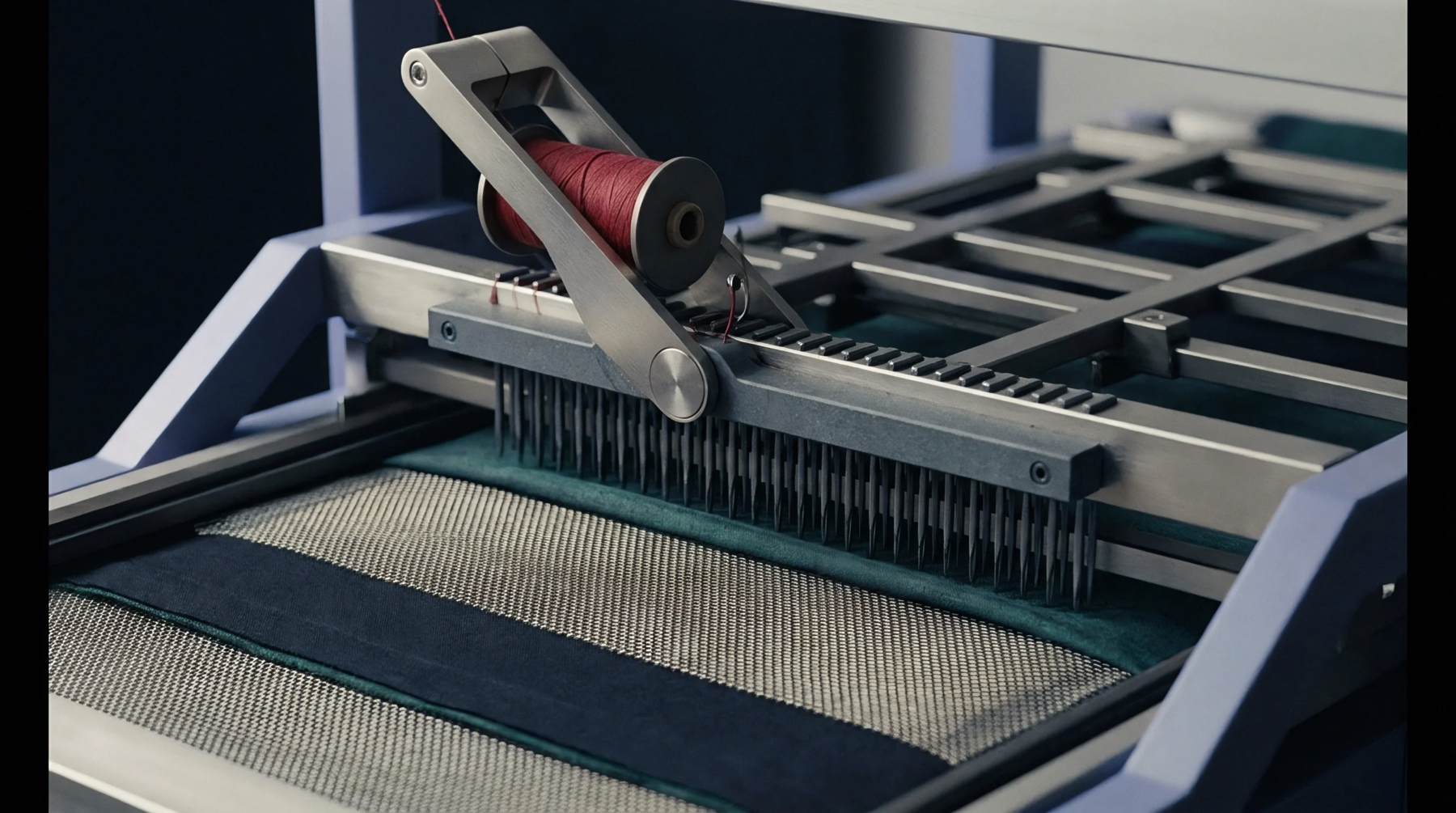
Calculate weighted regain by multiplying dry fiber fractions by standard regain rates, applying this factor to clean dry mass for final invoice weight.

Baseline moisture allowances convert raw lot weight into commercial mass using ISO regains to prevent paying yarn prices for ambient water.
Expertise is a utility, not a secret. sentiention™ publishes its working knowledge as open reference: intelligence layer covering the materials it sources, the markets it enters, and the reference that serves both.