
Gravimetric Solvent Extraction Methods for Accurately Measuring Clean Dry Mass
Gravimetric solvent extraction removes non-fibrous finishes and waxes to establish accurate dry mass and prevent costly invoice weight overcharges.
Gravimetric solvent extraction removes non-fibrous finishes and waxes to establish accurate dry mass and prevent costly invoice weight overcharges.

Determine commercial mass by applying standard regain allowances to solvent-extracted oven-dry fibre mass obtained under ISO 6741 testing conditions.

Commercial mass calculations adjust invoice weights by subtracting actual tare and correcting net bale mass to an agreed eight point five percent moisture regain.

Statutory moisture regain tables alter dry laboratory mass into distinct legal percentages across customs regimes, moving tariff codes near chief-weight cliffs.

Resolving customs valuation errors in combed wool mixtures requires declaring billable mass using oven-dry weight plus standard ISO commercial regain allowances.
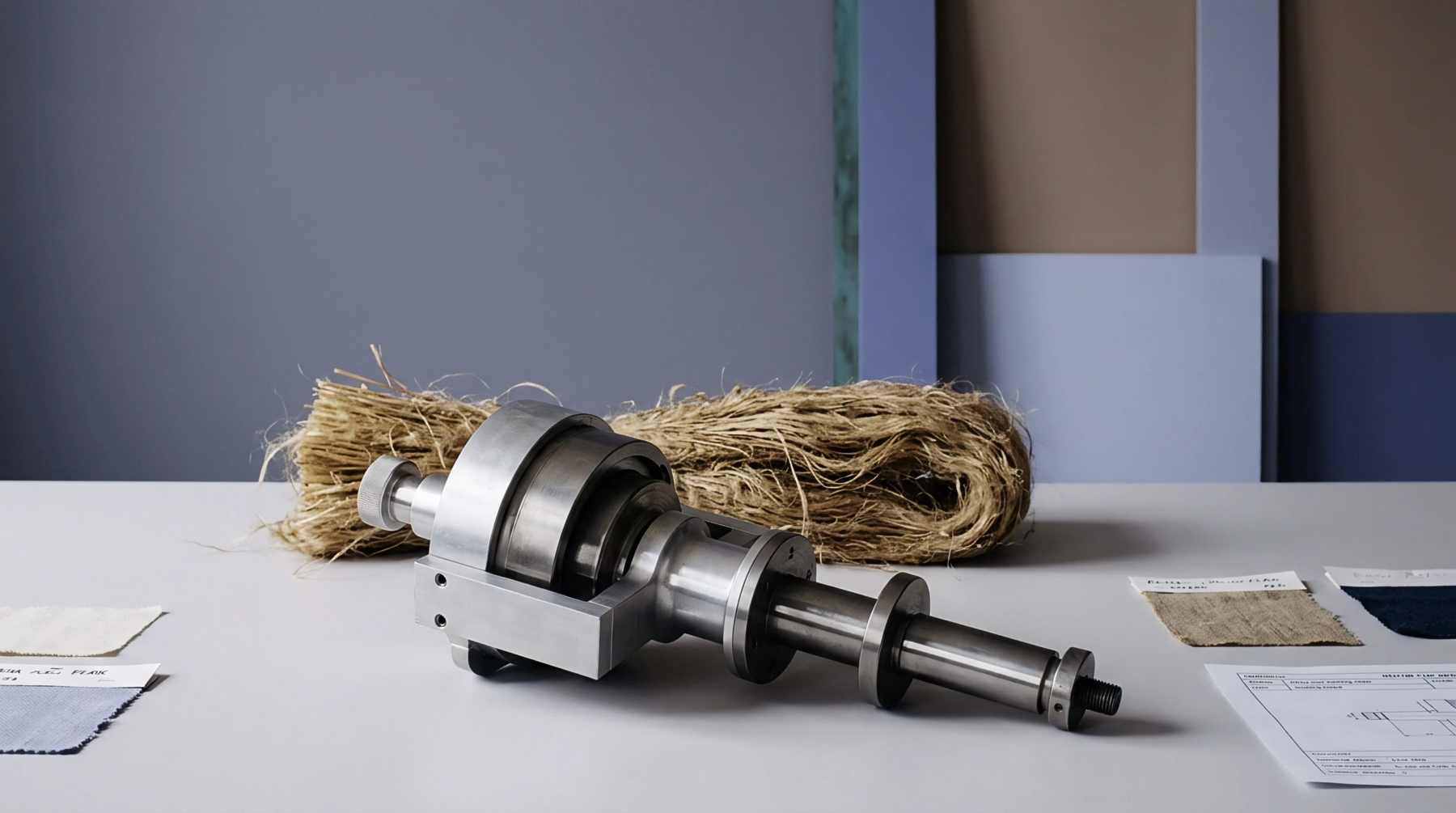
ISO 6741 calculations determine billed yarn mass by applying official moisture regains to dry weights, preventing water weight disputes in global trade.

Settle single component yarn invoices on commercial mass derived by preliminary oven drying followed by standard conditioning to prevent desorption hysteresis bias.
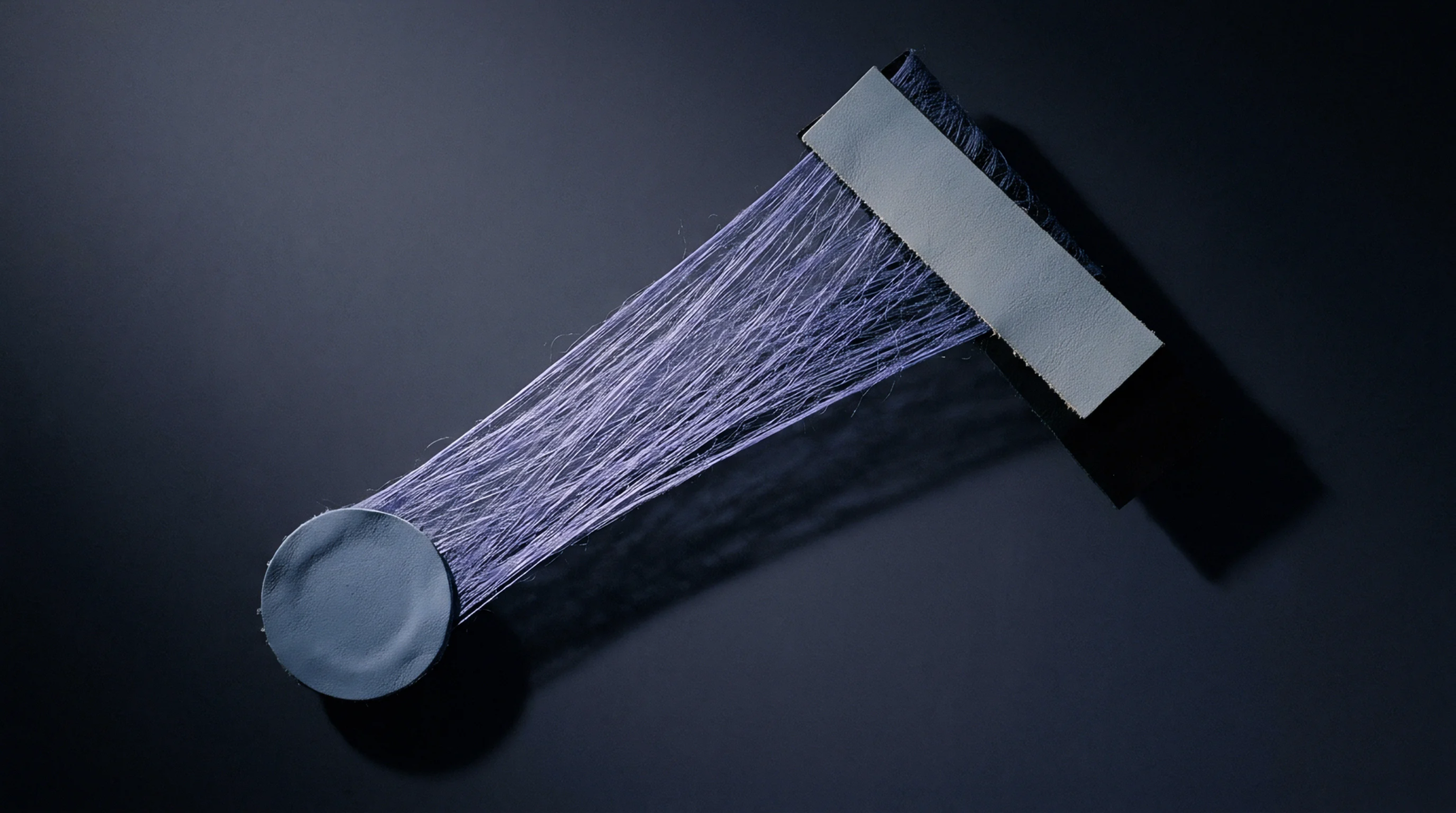
Commercial weight adjustments convert scale mass to settled value by adding official international fibre regain percentages to verified oven-dry test mass.

Administrative protests for water weight adjustments rely on ISO 6741 dry mass tests filed within statutory windows post liquidation.
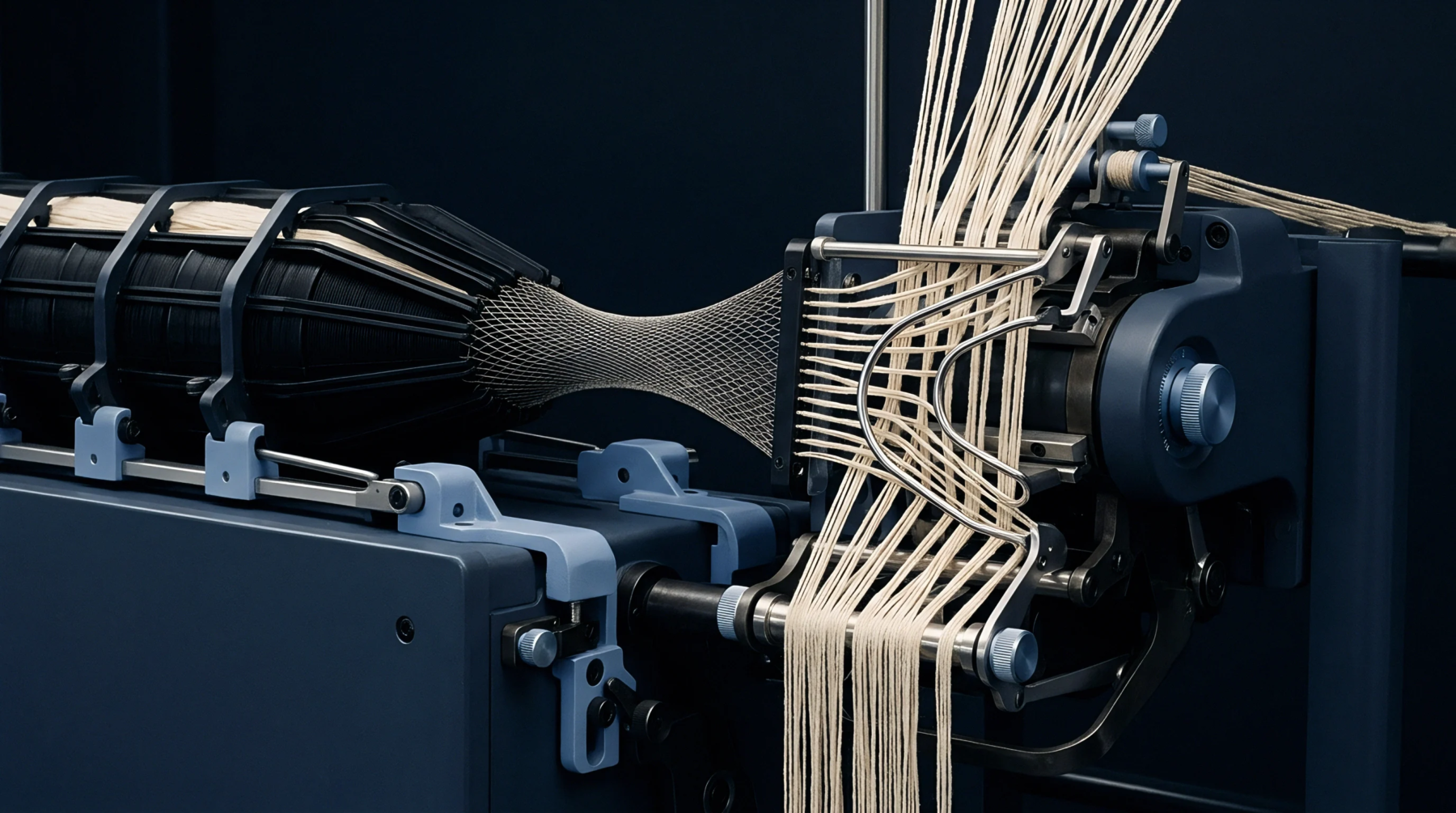
Commercial mass calculations convert variable received scale weight into fixed legal mass by applying standardized moisture allowances to oven-dried polymer.

Commercial moisture regain standards convert oven-dry synthetic fiber mass to statutory customs clearance weights, preventing duty miscalculations.

Arbitrating outturn weight deficits requires converting landed scale tickets to certified commercial mass via oven-dry testing, separating evaporation from loss.
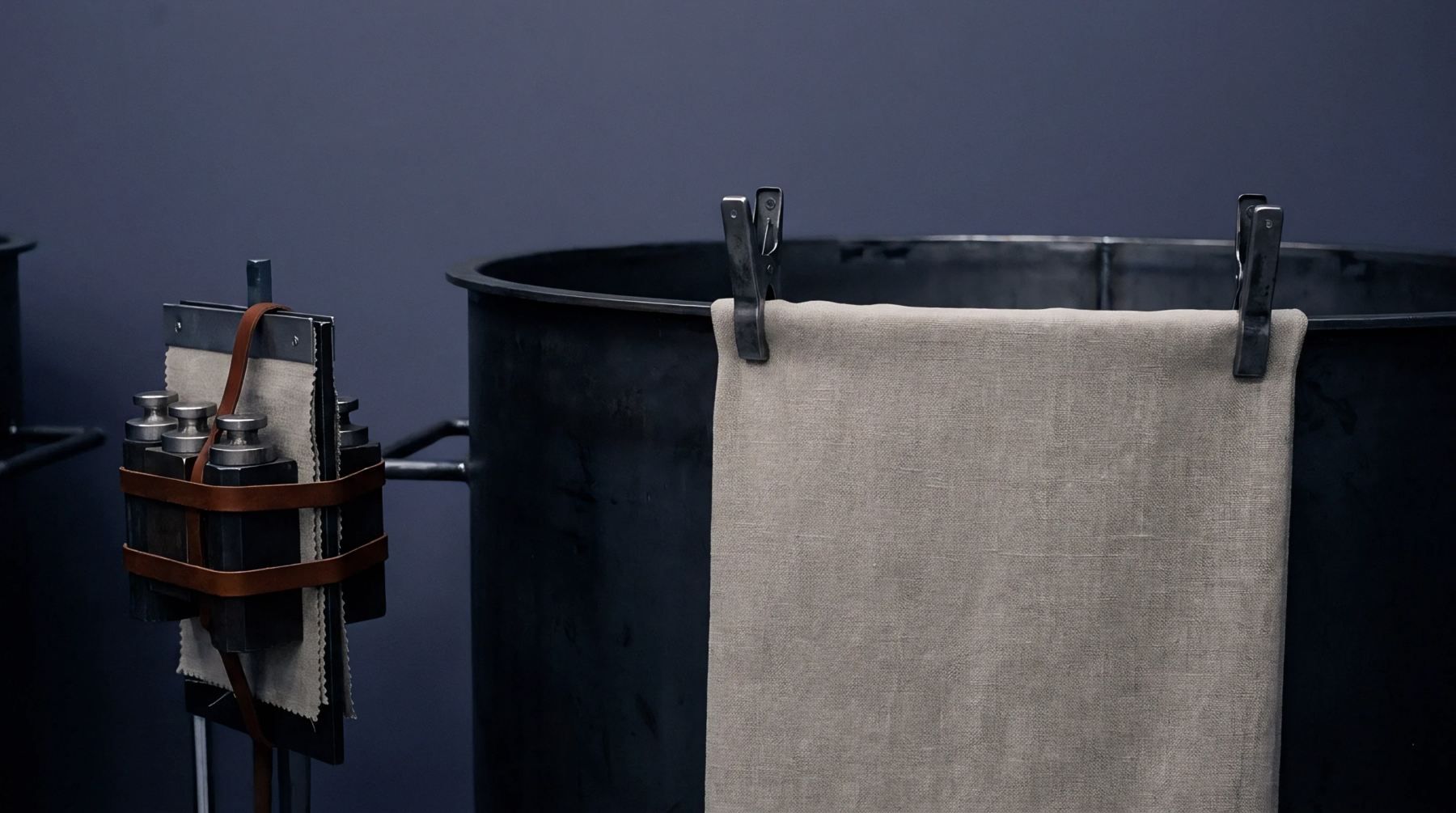
Reconciling laboratory chemical composition with landed weight requires converting oven-dry chemical ratios into commercial mass using official moisture regains.

Statutory moisture allowances convert dry mass into legal commercial mass, shifting chief weight and flipping tariff headings on tight fibre ratios.

Commercial mass scales anhydrous oven-dry textile mass by adding standardized official moisture and extractable allowances for accurate settlement and customs declarations.

Quantitative chemical separation dissolves target fibers selectively to yield dry gravimetric residues for precise commercial blend declarations.

Quantitative dissolution isolates fiber components through selective solvent digestion, gravimetric residue measurement, and official moisture regain adjustments.

Solvent extraction isolates surface lubricants and processing oils from synthetic filament yarns to verify commercial billing weight and prevent dyehouse defects.
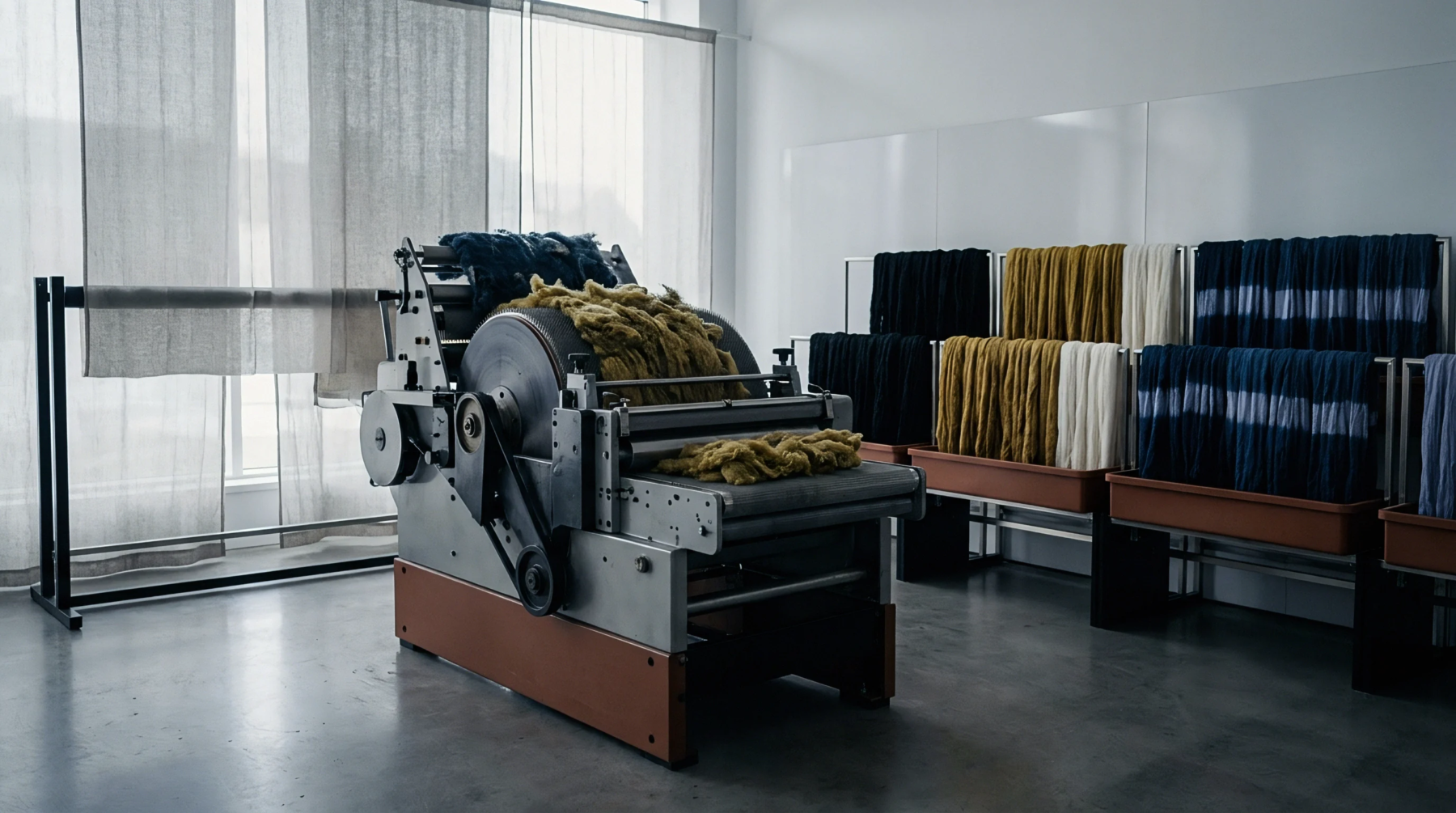
Corrected invoice weight computes commercial mass from oven-dry clean polymer fractions adjusted by official regains and extractable allowances under IWTO-33 rules.

Commercial moisture testing oven-dries representative core samples to constant weight, converting bone-dry mass into legal invoiced weight via agreed regains.
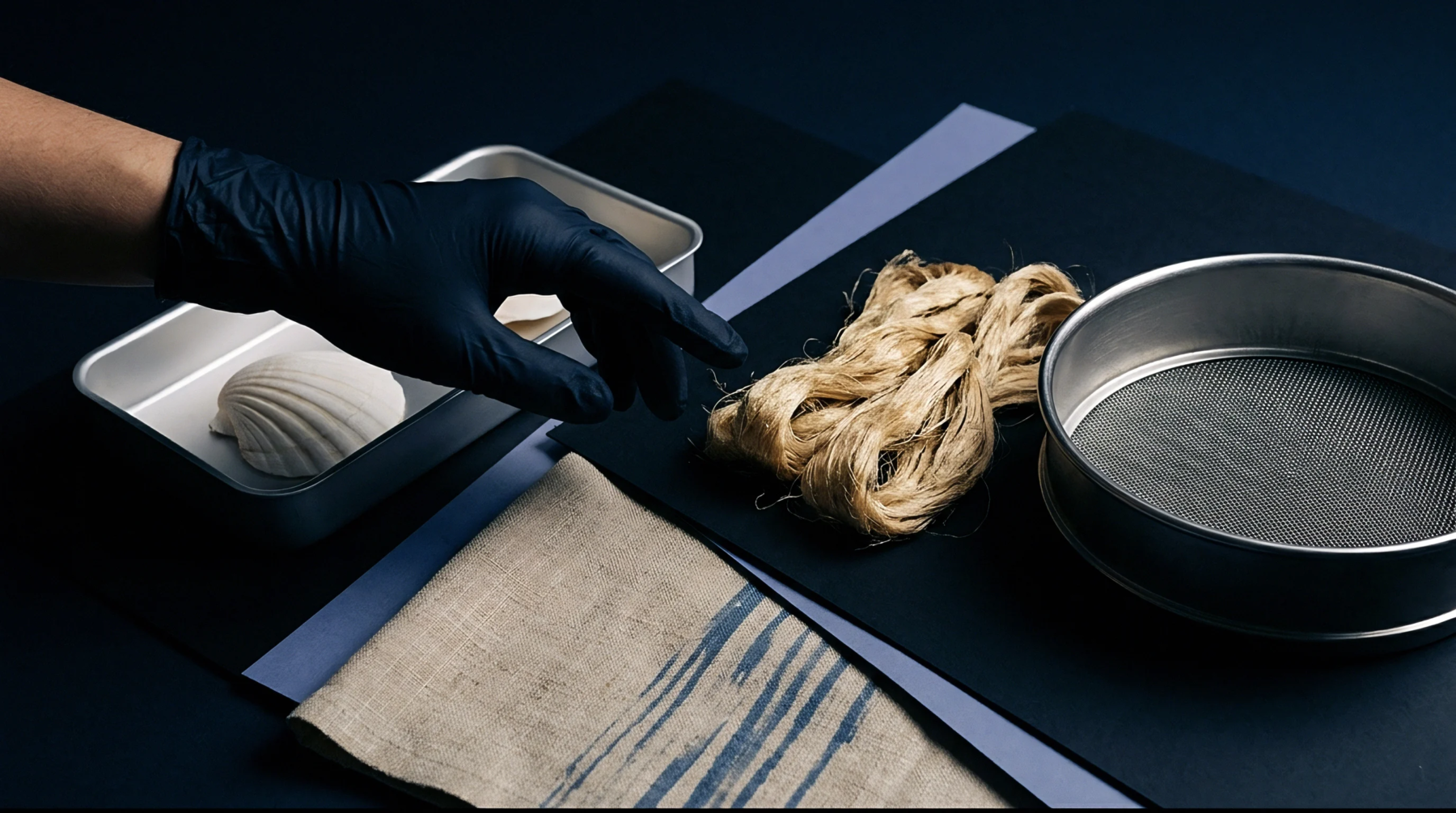
Resolve interlaboratory regenerated cellulose regain disputes by substituting standard convective heating with 60°C vacuum drying or Karl Fischer titration.
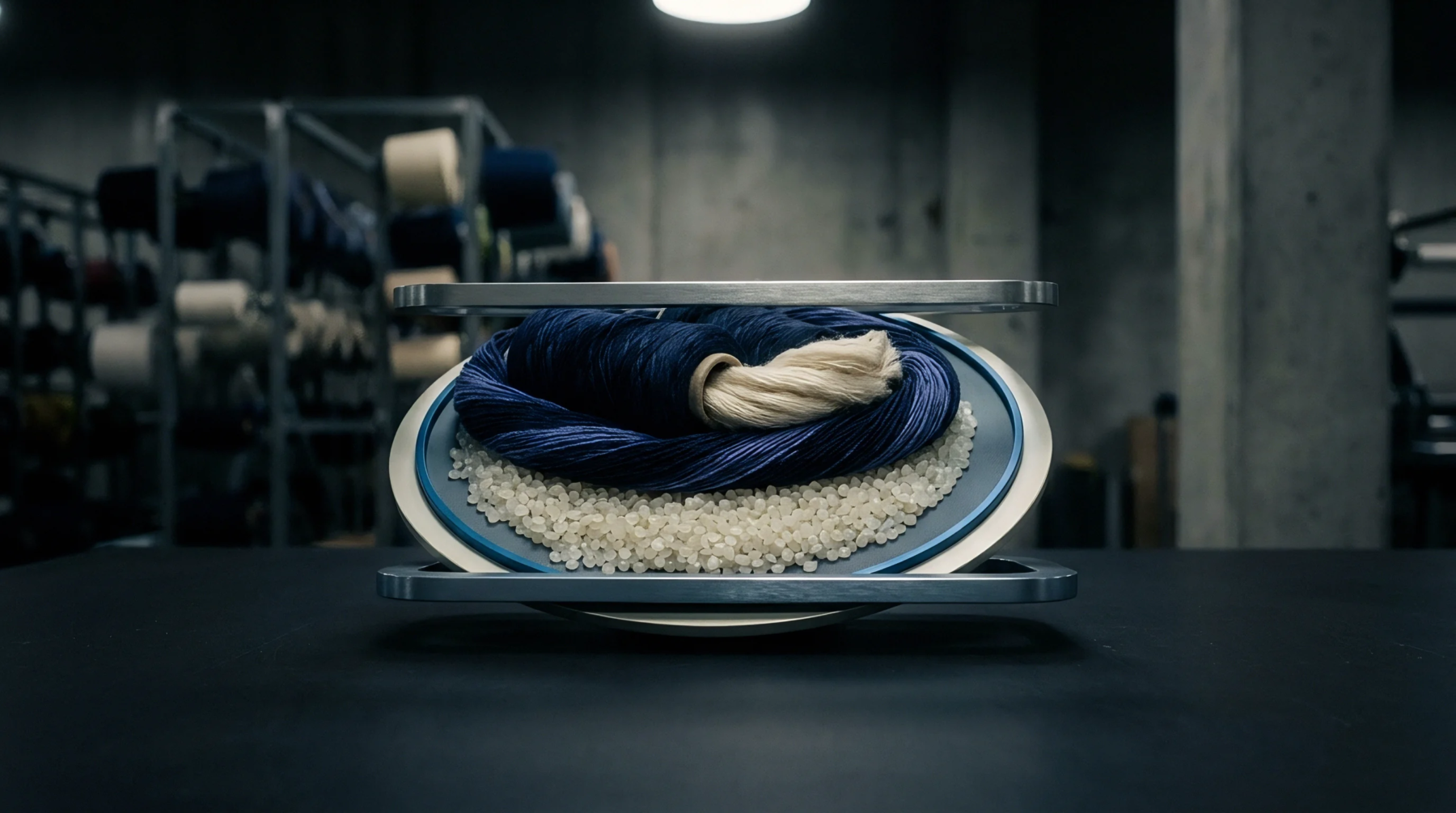
Dynamic multi-spectral compensation decouples moisture absorption bands from polymer overtones, preventing sorting misclassifications and financial penalties.
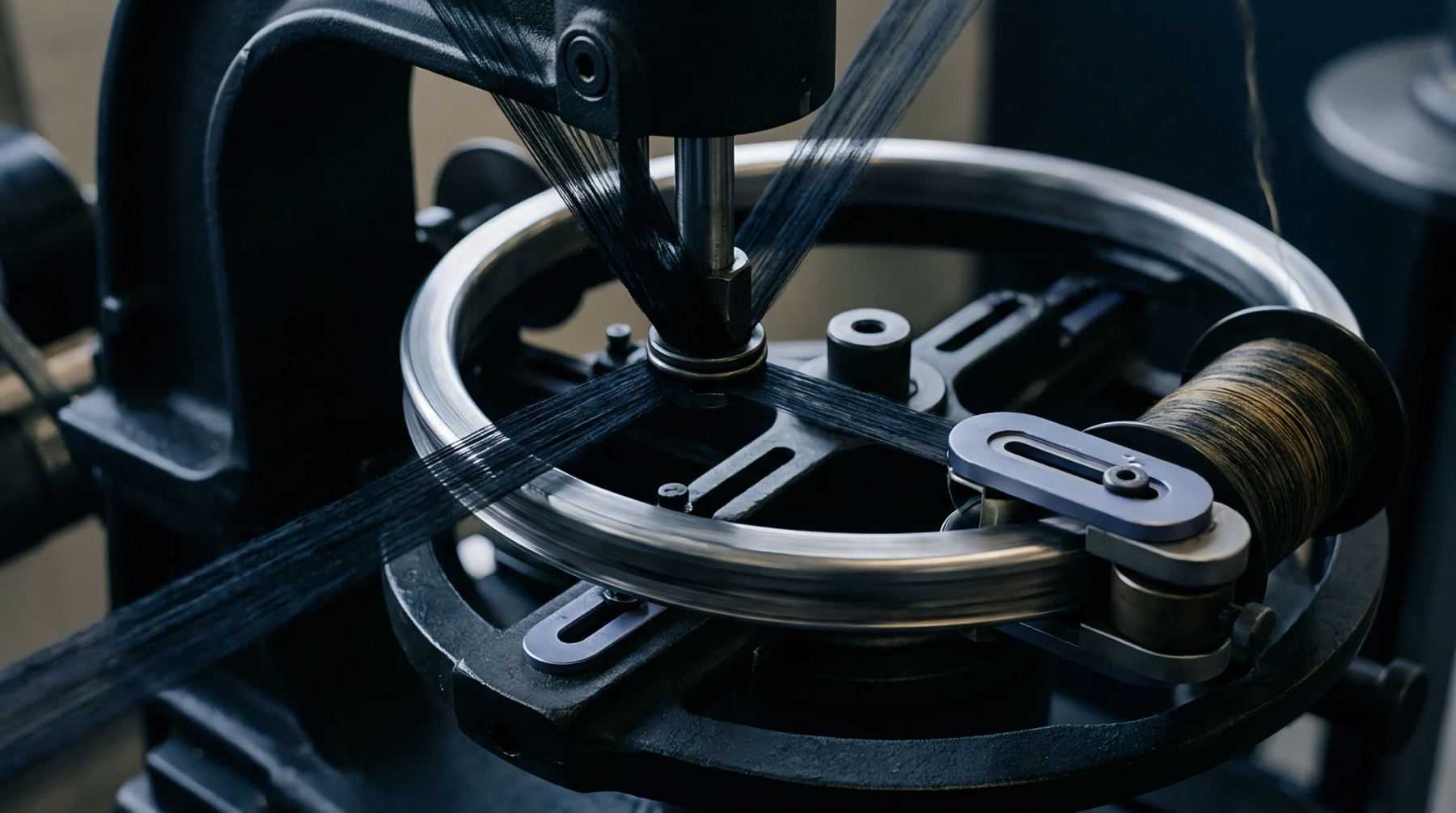
Commercial yarn invoice mass derives from oven-dry weight adjusted by standardized commercial regain values rather than uncorrected physical scale mass.

Clean dry mass removes finishes and water to yield true polymer weights, which commercial regain adjustments convert into legally defensible blend ratios.

Chemical dissolution isolates synthetic residues while statutory moisture regain corrections shift dry gravimetric yields across customs chief-weight lines.

Commercial mass calculations adjust billed consignment weights to oven-dry mass plus standard moisture regain, preventing buyers from paying yarn prices for water.

Commercial mass calculations convert net delivered fiber weight to dry mass plus official regain, eliminating financial losses from shipping absorbed water.
Dynamic moisture sorption hysteresis shifts blended fabric commercial weights up to three percent depending on preconditioning history and transit humidity.
Desorption hysteresis inflates combed cotton arrival weight by over one percent, requiring ISO 6741 commercial mass terms to prevent customs value adjustments.
Expertise is a utility, not a secret. sentiention™ publishes its working knowledge as open reference: intelligence layer covering the materials it sources, the markets it enters, and the reference that serves both.